

The 2000s started with more CD sales than ever before and ended two months before Spotify became available in the UK. The shift in how people listened to music is the most drastic of any decade, and yet, throughout the best work of the decade, artists were unfazed in their adherence to “the album” as the primary way of getting their music out in the world. Whether 21 minutes or 296 minutes spread across four parts, selling 25 million copies or as a free internet download, “the album” was each of these artist’s statements, compiling weeks, months, years of work into a lasting ode to the art of recording. 14 years after the end of this decade, the love and respect for “the album” hasn’t changed. The slow death of physical copy sales has been disastrous in many other ways, but “the album” continually perseveres beyond label disputes, 360 contracts, and meager royalties. “The album” still makes or breaks you, and in these 250 scenarios, it can make you a legend.
These are the 250 best albums seeing its first release from January 1, 2000 to December 31, 2009. Mixtapes, EPs, compilations, and film scores were all considered for this list.
The list will be released in five parts, 50 albums each.
Thank you for reading; I hope you find this interesting and informative. I put in a lot of time listening to and writing about music to give you the best work I can. Feel free to reach out to me with feedback on this list or for any other music lists you would like to see!

250. Mannie Fresh – The Mind of Mannie Fresh (2004)
If Mannie Fresh never released solo material, his status as a hip-hop legend would still remain as leader of the Hot Boys and bringing Juvenile and Lil Wayne to every American club soundtrack in perpetuity. Unfortunately, not many actually have listened to his debut solo album — a critical and commercial oversight for nearly two decades. The Mind of Mannie Fresh is an exemplary display of Mannie’s production prowess and infectious charisma; it’s simply a fun listen front-to-back.

249. Keith Fullerton Whitman – Playthroughs (2002)
Since Brian Eno, Robert Fripp, Terry Riley, David Behrman, and more have crafted and coined ambient music, experimental subgenres have branched off and recontextualized ambient in terms of “glitch,” “drone,” “field recordings,” etc. Whenever I listen to Playthroughs though, I am awash in pure ambience. The track names offer no specifics on how to feel or where to transport yourself. It finds that perfect meeting place between abrasive and gentle, commanding your attention like a captivating professor in their best lecture.
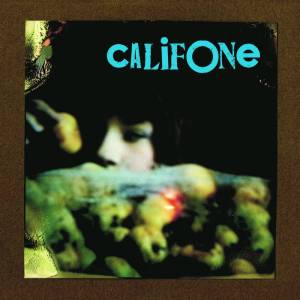
248. Califone – Roots and Crowns (2006)
Chicago avant-folk band Califone has been going for 27 years now, never having more success than appearing on the Stranger Than Fiction soundtrack and receiving praise from indie music sites that have since disbanded or been bought out. Their best album Roots and Crowns flows beautifully from a serene folk session to a fuzzed-out campfire carouse. Tim Rutili’s pleasantly dry vocals and Brian Deck’s ear for off-kilter percussion ties it all together.
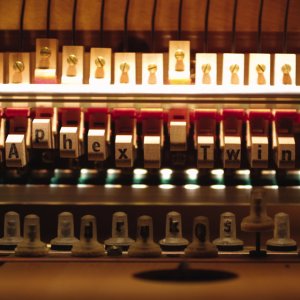
247. Aphex Twin – Drukqs (2001)
For a while there, Drukqs seemed to be Aphex Twin’s last album with IDM’s greatest producer having nothing left to offer for the 21st century. Drukqs initially received poor reviews being both too inscrutable for Rolling Stone and too bland for Pitchfork. It remains a baffling take from both sides as tracks like “Strotha Tynhe” and “Avril 14th” are the most digestible of his career, while “Vordhosbn” and “54 Cymru Beats” push his manic maximalism to incredible new realms.
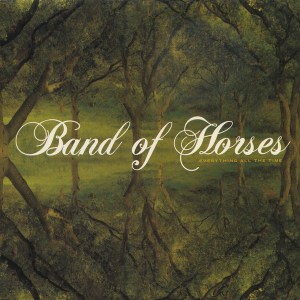
246. Band of Horses – Everything All the Time (2006)
It should take about 30 seconds into this album to recall why Band of Horses broke through out of the congested genre of American folk rock in the mid-’00s. Ben Bridwell’s voice is incredible, rising and echoing through each track on their flash-in-the-pan debut. It was clearly not just Bridwell though, as this is the only Band of Horses album with the original lineup of Mat Brooke, Chris Early and Tim Meinig. And yes, you still have to drop everything you’re doing when “The Funeral” comes on.
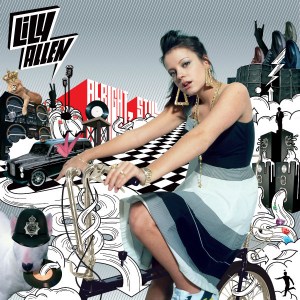
245. Lily Allen – Alright, Still (2006)
Lily Allen spent the first few years of her career dealing with rejection from UK’s biggest music labels. She eventually would post demos on her MySpace page and within a year had a number one UK hit called “Smile”. Alright, Still is Allen’s debut, fueled by super producers (Greg Kurstin & Mark Ronson) and her indignant passion in taking down all those who have rejected her. The result is an album that never sacrifices musicality in its quest for empowering evisceration.
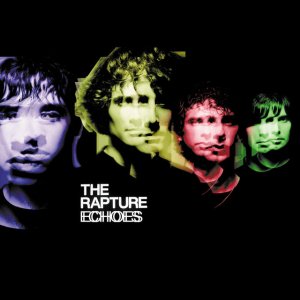
244. The Rapture – Echoes (2003)
The Rapture epitomized the DFA dance-punk aesthetic perfectly on their breakthrough single “House of Jealous Lovers”, which would bring them massive critical success and be a significant hit in the UK. Their following album Echoes offers enough bangers (“Echoes”, “Sister Savior”, etc.) around its centerpiece to be worth going back to. With each passing year, descriptors like “DFA” and “dance-punk” keep losing their mystique, but with each cymbal-heavy breakdown, the Rapture’s music continues to speak for itself.
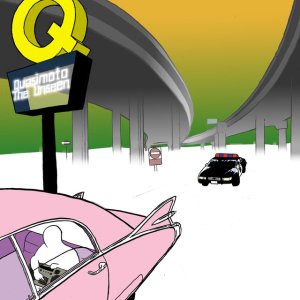
243. Quasimoto – The Unseen (2000)
Do you ever hear a recording of your own voice and it makes you spiral so hard that you wonder who you even are anymore? Madlib went through this in the studio rapping over his own beats at the turn of the century — pre-MF DOOM, pre-Freddie Gibbs, etc. He slowed his recorder down, rapped slowly, and sped it back up to produce the helium voice of Lord Quas. The Unseen remains one of the most consistently-rewarding rap releases of the ’00s with influences ranging from early hip-hop pioneers to Alain Goraguer’s soundtrack to La Planète sauvage.

242. Oneohtrix Point Never – Rifts (2009)
The title of electronic music’s greatest act over the last decade-and-a-half may very well belong to Daniel Lopatin’s moniker Oneohtrix Point Never. Many look to 2010’s Returnal as the starting point of this legendary run, but the 2009 compilation Rifts compiled multiple releases into a cohesive summation of his progressive electronica talents. There’s an amateurish quality to this collection that he would improve upon, but the lengthy tracks like “Format & Journey North” will enthrall you in its majestic soundscapes.
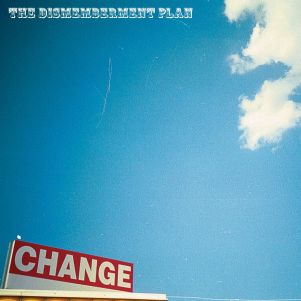
241. The Dismemberment Plan – Change (2001)
It’s fascinating to look back upon this era of indie rock to see what bands faded away and others become the biggest on the planet. The most drastic example might be the 2002 co-headlining tour of The Dismemberment Plan and Death Cab for Cutie. The Dismemberment Plan were fresh off their second classic Change which found them refining their melancholy tunes into the most emotionally-potent rock of its era. By 2003, the Dismemberment Plan had broken up and the most popular character on the biggest teen drama on TV had a particular favorite band.
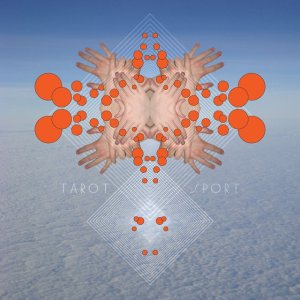
240. Fuck Buttons – Tarot Sport (2009)
When Danny Boyle was asked to direct the 2012 Summer Olympics opening ceremony, he made sure to get one UK experimental act their spotlight: Fuck Buttons. Tarot Sport‘s opener “Surf Solar” and other single “Olympians” featured prominently in the festivities. They released one great album after and subsequently broke up, but their short time in the sun was a well-deserved reward for the trance-like pleasantries of Tarot Sport.

239. M83 – Dead Cities, Red Seas & Lost Ghosts (2003)
I do often wonder how much “Midnight City” has acted as a barrier to people listening to earlier M83 records. If you’re listening to Dead Cities… waiting for a beat drop or an ’80s-indebted saxophone solo, you’re sorely mistaken. It also arguably happens to be their best album, blurring the lines of dream pop, shoegaze, indietronica, ambient, etc. into something uncategorizable and only accessible to those well-versed in its influences. “Run into Flowers” is as delightful as anything in M83’s discography, but you still might kill the buzz on a party playlist with it.

238. Bloc Party – Silent Alarm (2005)
Bloc Party are among a legendary class of bands that struck magic on their debut and have never captured it again. Silent Alarm is as hard-rocking as it is danceable, keeping all of its songs short and care-free with pounding drums and chiming guitars leading the way. Kele Okereke’s vocals and lyrics push the band into a fully earnest territory, a welcome respite from the too-cool-for-school nature of many UK ’00s bands.

237. Pulp – We Love Life (2001)
It’s not as controversial anymore to say that at no point in the ’90s-’00s were Oasis and Blur better than Pulp. You can attribute that to the relative maturity and assuredness in sound that Pulp had having formed in the ’70s and also that Jarvis Cocker is a genuinely likable lead singer. Britpop formed around Pulp and its demise did nothing to faze their sound, as We Love Life sees them continuing to hit their stride. We’re still coming around to fully appreciate a band capable of making two songs as disparate and great as “The Trees” and “Sunrise” over 20 years into their career and then never making another album (so far).

236. The Libertines – Up the Bracket (2002)
It was the Libertines’ second album that would go to the top of the UK charts, but Up the Bracket built their status into legitimate underground rock heroes and a voice of the people. Mick Jones of the Clash produced the album and did minimal mixing and dubbing to emphasize the band’s dingy lo-fi aesthetic. The choice was crucial as it provided a credible edge to Pete Doherty’s infectious hooks. The Libertines wouldn’t last long as Doherty’s drug use and arrests strained the band’s relationship.

235. Rhythm & Sound – Rhythm & Sound w/the Artists (2003)
German music duo Basic Channel were inspired by dub reggae (Lee Perry, Scientist, Horace Andy, etc.) in their ’90s work and began to work with reggae singers to make it directly. The result is these eight tracks that luxuriate in its soothing pace with songs stretching well past the 6-minute mark. The different vocalist approaches consistently shake things up and offer insights into the idiosyncrasies of the oft-pigeonholed reggae singing style. Basic Channel released instrumental versions alongside this, and it highlights how wonderfully-constructed the entire project is.
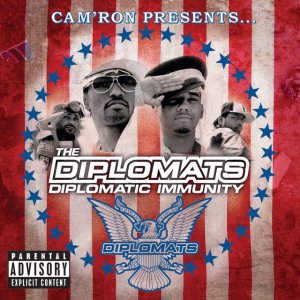
234. The Diplomats – Diplomatic Immunity (2003)
The Diplomats consisted of Cam’ron, Jim Jones, Juelz Santana, and Freekey Zekey and only released one album for a major label in their reign as the best hip-hop collective of the early-’00s. Like many albums of the time, Diplomatic Immunity is long and loaded with skits, but the music is undeniable featuring incredible chipmunk-soul production from Kanye, Just Blaze and the Heatmakerz. Cam’ron and Juelz Santana in particular are at their peaks and the album’s length gives both of them plenty of space to prove their talent.
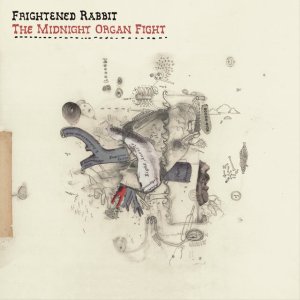
233. Frightened Rabbit – The Midnight Organ Fight (2008)
Scott Hutchison began Frightened Rabbit on his own, with the name coming from his mom’s nickname for him as a kid with chronic shyness. By The Midnight Organ Fight, Frightened Rabbit was a full band backing Hutchison’s heartbreaking catharses with the instrumental power they deserved. The Scottish band also recorded in Connecticut to work with Peter Katis, who produced for Interpol and the National. Hutchison’s unrivaled sincerity as a singer has stirred up new emotions since his suicide in 2018.
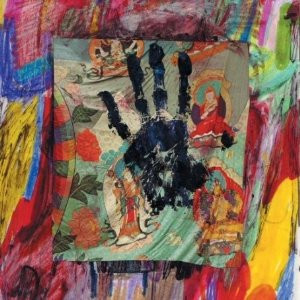
232. Ponytail – Ice Cream Spiritual (2008)
Here’s an American art rock band that has fallen through the cracks for way too long. The 33 minutes of Ice Cream Spiritual are enough to revive your faith in the thrilling manic potential of the oft-sanitized genre of indie rock. It won’t take long to see their biggest influence are Japanese experimental legends Boredoms with their undying quest to overload your senses with drum-mashing, squealing guitars, and singing that is better described as indecipherable yelping. They broke up in 2011, and rock has been a little more boring ever since.

231. Jimmy Eat World – Bleed American (2001)
With Bleed American, Jimmy Eat World brought emo pop to the masses. “The Middle” is one of the most enduring anthemic rock singles this century, being often played alongside “Mr. Brightside” and “Sugar, We’re Goin Down”. Unlike the Killers and Fall Out Boy though, the album that JEW’s biggest hit comes from actually holds up well to scrutiny. “Sweetness” and “Bleed American” are also rock-out worthy singles, and slow jams like “Hear You Me” and “Your House” are just as infectious thanks to Jim Adkins’ incredible vocal work throughout the album.
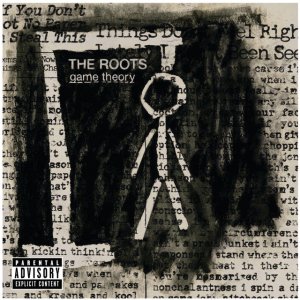
230. The Roots – Game Theory (2006)
The Roots have been the late-night band for Jimmy Fallon since 2009, and that level of exposure has stripped the hip-hop band’s cool mystique they had cultivated up to that point. Listening back to Things Fall Apart quickly repairs that, but Game Theory is a worthy option as well. Game Theory is societally-jaded, made in the depths of Bush’s 2nd term and unending Iraq war; Public Enemy is specifically-referenced in the opening song. J Dilla’s untimely passing also weighs over the Roots with his production opening and closing the album.
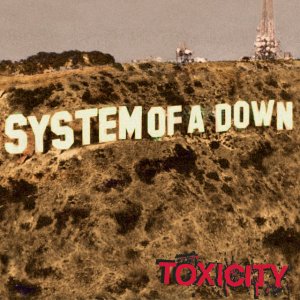
229. System of a Down – Toxicity (2001)
There is a poetic justice that the most-streamed album of 2001 is from a brashly-political band of Armenian-Americans. The way this country demonized anybody slightly resembling the 9/11 terrorists did irreparable damage to American race relations. Toxicity was the number one album in America at the time of 9/11, and Clear Channel Radio placed “Chop Suey!” on a list of post-9/11 inappropriate songs. No amount of censorship or manipulation of public opinion could stand in the way of Toxicity though, which is today the ’90s babies go-to heavy metal album.

228. Sigur Rós – Takk… (2005)
There is arguably no band with as singular of an identity as Sigur Rós, and it was beautifully perfected by the time Takk… arrived, arguably their best album. The Icelandic band took the trending post-rock of the ’90s and imbued it with classical and minimalist elements to create gorgeous epic soundscapes. They often sing in their own language called Vonlenska to vocalize what can’t quite be interpreted. The most popular song from Takk… (“Hoppípolla”) has been used across so much media to evoke an inexplicable beauty that the world has to offer.
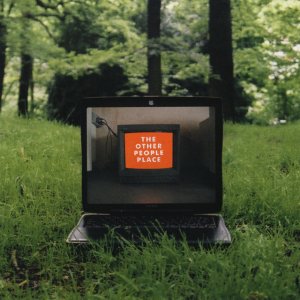
227. The Other People Place – Lifestyles of the Laptop Café (2001)
At the time of James Stinson’s death in 2002, the world did not know he was half of the group Drexciya or that he was responsible for the side project The Other People Place. Lifestyles of the Laptop Café was released as the first part of seven conceptually-linked Drexciya releases; that vision would not be fulfilled. This album remained out of print until a Warp re-release in 2017, and since then, James Stinson’s work has only grown in admiration. Lifestyles…’s dry robotic approach to electronica still conveys such a desolate emptiness that I’ve never heard anywhere else.
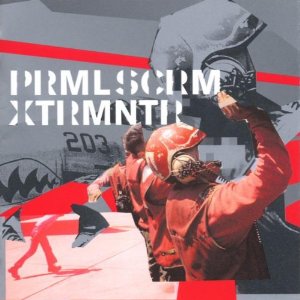
226. Primal Scream – XTRMNTR (2000)
What a hodgepodge of influences this album is. On their 1991 classic Screamadelica, Primal Scream were already crafting a masterful balancing act of neo-psychedilica, dance, baggy, ambient dub, and house, but for their second classic XTRMNTR, industrial noise and big beat factored in as well. The broad lineup of Primal Scream during this recording included members from New Order, Stone Roses, Chemical Brothers, and My Bloody Valentine. The result sounds like every song was made by 15 musical geniuses crammed into one room.
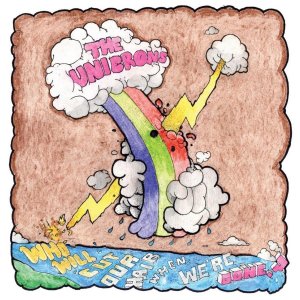
225. The Unicorns – Who Will Cut Our Hair When We’re Gone? (2003)
One-album wonder the Unicorns were confident in their twee lo-fi aesthetic, existing somewhere between the Microphones and the Dismemberment Plan. Even after multiple listens, you’re still not quite sure when a song will completely break down into a meditative spa joint or flare up into a head-banger. A 90-second song like “The Clap” captures a whole array of indie rock influences from the previous few decades. Who Will Cut Our Hair… received enough praise from indie outlets for them to tour successfully, but animosity among the members came to a head on the road where they would break up a year later.
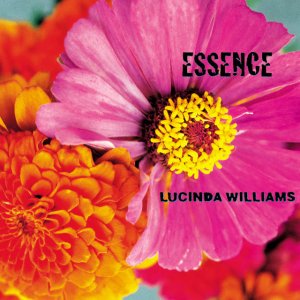
224. Lucinda Williams – Essence (2001)
Since her 1988 self-titled breakthrough, Lucinda Williams has arguably been the greatest americana artist in that span. 1998’s Car Wheels on a Gravel Road is seen as her peak, but her follow-ups Essence and 2003’s World Without Tears continue a magical run of smokey-voiced alt-country bliss. Essence is a more intimate affair, gently sharing tales of lost love, bar-trodden blues, and moving on.
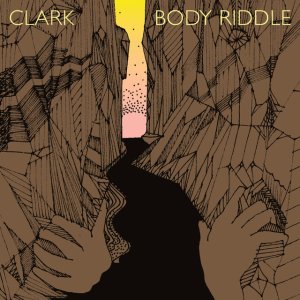
223. Clark – Body Riddle (2006)
English electronic musician Chris Clark released a couple albums before he decided to drop the Chris. Body Riddle would’ve been a classic skittering IDM album either way, but maybe it works better envisioning some disembodied entity named “CLARK” behind the wheels here. Body Riddle occupies its own space — never as dreamy as Boards of Canada, jittery as Aphex Twin, or repetitive as Four Tet. The synths are jagged and icy with complimentary crisp drums to evoke being near a cold desert mountainside.

222. Scarface – The Fix (2002)
The Fix capped off Scarface’s incredible decade-plus run as a solo artist and member of the Geto Boys. By 2002, his six solo albums all went at least gold with three going platinum, he had won Lyricist of the Year at the Source Awards the previous year, and he was the president of Def Jam South where he personally recruited Ludacris. The Fix is a celebratory affair with the Def Jam imprint of Kanye production and Jay-Z & Kelly Price features, but he still flexes his lyricist award credentials on songs like “On My Block” and “What Can I Do?”

221. Mirah – You Think It’s Like This But Really It’s Like This (2000)
The story of American indie music goes through the Olympia, WA independent label K Records founded by Beat Happening frontman Calvin Johnson. Beck, Bikini Kill, Built to Spill, Modest Mouse and the Microphones all went through those doors, and so did Mirah with an indelible DIY spirit that perfectly embodied the label’s modus operandi. Recorded with Phil Elvrum, You Think It’s Like This… is an off-kilter intimate indie pop album that predated the bedroom pop trend of the early-’10s artists like Frankie Cosmos and Alex G.

220. Akufen – My Way (2002)
You will not find this classic album from Canadian electronic artist Akufen on any streaming service, presumably due to the nightmare (and logistic impossibility) it would be to clear over 2,000 samples of radio feed. My Way is a microhouse delight utilizing short radio clips, white noise and minimal techno to create a glitchy funky dance mix for those late nights alone in your bedroom. Akufen hasn’t had much coverage apart from the occasional Resident Advisor shoutout, but My Way still stands as one of the best electronic releases of the 21st century.

219. My Morning Jacket – It Still Moves (2003)
This is the best southern rock album of the 21st century (sorry, Kid Rock). Jim James and co. jam out pretty unrestrained across 70 minutes of epic guitar solos, horn sections, and echoing melodies. Songs like “I Will Sing You Songs” stretch on for 9 minutes and earn every second of it. Even with all that, there was still space for radio-ready classic like “Golden” to increase their popularity.

218. Nick Cave & the Bad Seeds – Abattoir Blues/The Lyre of Orpheus (2004)
Across 17 Bad Seeds albums for nearly 40 years, Nick Cave has never made anything less than a good album. The catch is that it can be hard for one album to stand out in his discography, but I’d argue Abattoir Blues/The Lyre of Orpheus is his definitive release. It’s the longest of his career, and most consistently provides what we want from Cave most: gospel-worthy demented face-melting hard rock AND pastoral punkish art rock. The two-CD setup provides a clear delineation for these different sides of Cave’s aesthetic.
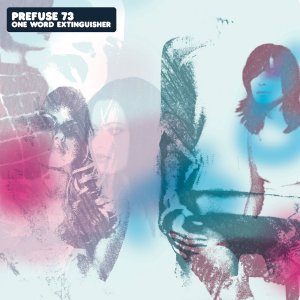
217. Prefuse 73 – One Word Extinguisher (2003)
It’s not surprising that parents who would name their kid Guillermo Scott Herren would coax him into being a music obsessive. His start DJing at Atlanta night clubs and fascination with electronica created a sterling mix of hip-hop and IDM that stood out among Warp record’s stacked lineup. Both hip-hop and electronica has moved on from this sort of laid-back glitch hop, but it doesn’t detract from the front-to-back listenability of Prefuse 73’s best work.

216. Camera Obscura – Let’s Get Out of This Country (2006)
You’d be hard-pressed to find an indie pop album that starts out as strong as Camera Obscura’s breakthrough third album. “Lloyd, I’m Ready to Be Heartbroken” is ’00s brill building twee pop at its finest. Elsewhere on Let’s Get Out of This Country, the Scottish band take on bossa nova (“Tears for Affairs”), Warhol Factory-esque chamber folk (“Dora Previn”) and a prom-band waltz aesthetic (“The False Contender”). The end result is a lovingly ’60s-inspired pop classic that is timeless.

215. Nicki Minaj – Beam Me Up Scotty (2009)
In 2010, Nicki Minaj became a household name across pop and hip-hop, featuring on Billboard top 10 singles and having top 40 hits of her own. The rise to fame seemed immediate, but Minaj spent years crafting her talents on mixtapes in the back half of the ’00s with Beam Me Up Scotty being the culminative breakthrough. “I Get Crazy” was maybe the first that many heard of Nicki Minaj, and her new takes on songs like Soulja Boy’s “Donk” and T.I.’s “No Matter What” were worthy replacements. Minaj reissued Beam Me Up Scotty in 2021 to massive commercial success, as many were introduced to her best album to-date.
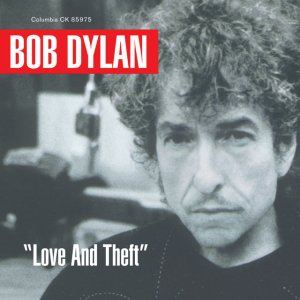
214. Bob Dylan – Love and Theft (2001)
It’s amazing how often the greatest singer-songwriter of all time has been considered yesterday’s news; how could we ever count out the man who wrote “Desolation Row”? 1997’s Time Out of Mind ushered in the late-era Dylan that everyone fell in love with again, and Love and Theft is the bluesy comedown of a confident man seemingly having fun making music once again. The live-rockabilly sound came from recording with his Never Ending Tour road band, which he would continue for eight more albums.
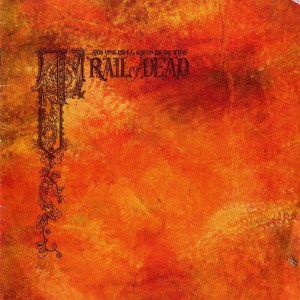
213. …And You Will Know Us by the Trail of Dead – Source Tags & Codes (2002)
Some movies and albums are forever tied to memorable critic reviews (Roger Ebert and Blue Velvet, Lester Bangs and Black Sabbath, Pauline Kael and A Clockwork Orange, etc.), and maybe a good contemporary example — if possible in this age of devaluing tastemakers — is the perfect 10 from Pitchfork of Trail of Dead’s Source Tags & Codes. It’s the last time Pitchfork gave the rare score to an album that objectively didn’t deserve it, and it unfortunately does hang over this album’s reputation. To say the album’s really good, you almost have to clarify it’s not “10 out of 10” good. What the review did get right is that among the post-hardcore contemporaries of At the Drive-In, Unwound and Shellac, the Trail of Dead topped them all with this classic.
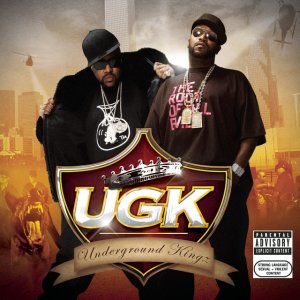
212. UGK – Underground Kingz (2007)
1996 classic Ridin’ Dirty should have been the start of UGK’s commercial run, being a part of the southern hip-hop zeitgeist with OutKast, Missy Elliott, Scarface, Juvenile, and so many more. Their career came to a halt though with Pimp C having a lengthy police stint due to a parole violation. By 2007, you would think UGK were out of place, but in reality, the music world had caught up with UGK — Lil Wayne and T.I. were the biggest hip-hop acts, Three 6 Mafia were Oscar winners. Underground Kingz was a Billboard number one album — their first — and they finally had a single chart on the Hot 100: the legendary collab with OutKast “Int’l Player’s Anthem (I Choose You)”. The comeback was short-lived though as Pimp C passed away at the end of 2007.
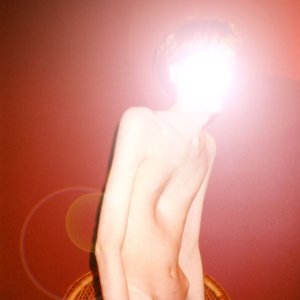
211. Atlas Sound – Logos (2009)
The cover art for Logos is of Bradford Cox, the artist behind Atlas Sound and better known for his work with Deerhunter. He suffers from Marfan syndrome, a genetic disorder that affects the connective tissue. The naked vulnerability of the album’s imaging recontextualizes Cox’s aesthetic — fuzzed-out dream pop shrouded in lyrical ambiguities. There’s a yearning to be understood, for lasting love, and for a better life in the lyrics of Logos, themes that Cox himself would probably scoff at.
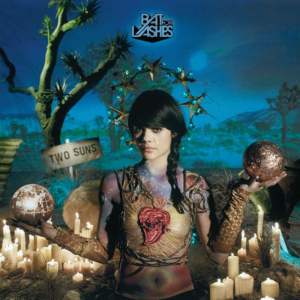
210. Bat for Lashes – Two Suns (2009)
Duality is the key to Natasha Khan’s best album as Bat for Lashes; it’s literally in the title. On “Sleep Alone” she sings “The dream of love is a two-hearted dream.” Later in the album, she introduces an alter ego named Pearl who is a direct foil to herself. Khan presents it all as a philosophical examination on how we define ourselves and relate to each other. The music ultimately speaks for itself outside of these readings, especially the all-time banger of “Daniel”.
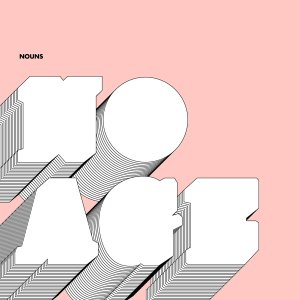
209. No Age – Nouns (2008)
Taken together, Nouns and the 2007 compilation Weirdo Rippers represents some of the most exciting noise rock in the 21st century. No Age have been just a duo since day one and still continue in that vein; unlike the Black Keys or late-era White Stripes, they continually lean into sounding like two people jamming in a garage in perpetuity. Don’t mistake that as calling them unpolished though, as standouts like “Teen Creeps” and “Sleeper Hold” are crafted melodically like the best pop music.
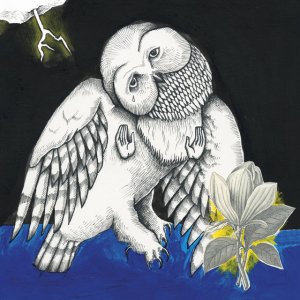
208. Songs: Ohia – The Magnolia Electric Co. (2003)
The best album from a band is sometimes not the most emblematic of their entire work. Jason Molina’s last album as Songs: Ohia embraced heartland rock and was recorded live with the full touring band. The previous albums had more in common with the contemporary folk scenes than late-’70s Neil Young. The features from Lawrence Peters and Scout Niblett tilt the album into full-scale alt-country. The Magnolia Electric Co. would be Molina’s last widely-recognized release as alcoholism eventually ended his life.
207. The Clientele – Suburban Light (2000)
If you were keeping up with the Clientele’s single releases in the ’90s, then you had already heard most of Suburban Light; It’s why the album is both considered a debut and compilation. Neither title detracts from the music within, one indie pop delight after another. Coming from London in the late-’90s, the Clientele were noteworthy for having no interest in big beat, trip-hop, or britpop — reverb-heavy downbeat chamber pop was their distinct weapon of choice.
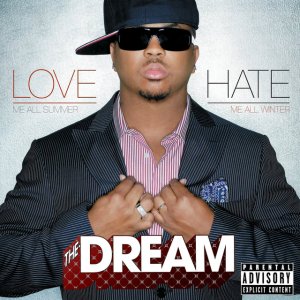
206. The-Dream – Love/Hate (2007)
The story of 21st century pop and R&B would reference Terius Nash (AKA The-Dream) quite often. His work with Rihanna, Beyoncé, Ciara, Justin Bieber and Kanye West has left quite a mark, but he has solo work of his own to add to his legacy. The Love trilogy from ’07-’10 is loaded with sure-fire R&B singles and album cuts so Prince-esque it might as well be cosplay. The first of the series Love/Hate is the template for it all with the three singles (“Shawty Is Da Shit”, “Falsetto,” & “I Luv Your Girl”) still being his most popular songs.
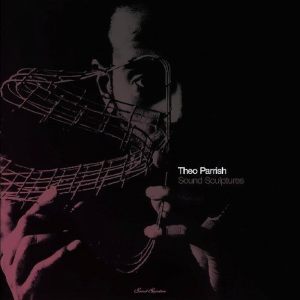
205. Theo Parrish – Sound Sculptures Vol. 1 (2007)
Detroit techno is the meeting place of classic soul/R&B and electronica; artists like Juan Atkins, Derrick May, and Robert Hood bonded over these genres in the ’80s and crafted wondrous hybrids for the Detroit underground. By the mid-’90s, the scene was exciting enough to recruit Chicago-transplant Theo Parrish who would release a B-side on a Moodymann single. Through his own label Sound Signature, Parrish has continued the Detroit techno tradition with slow-burning, disco/soul-inflected DJ sets that groove above all things else. The 2-CD, 2-hour collection found on Sound Sculptures Vol. 1 best encapsulates his sound.
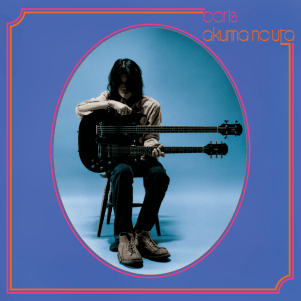
204. Boris – Akuma No Uta (2003)
The three-piece Japanese band Boris offer some of the most eclectic and exciting rock music of the ’00s. 2005’s Pink brought them international recognition with its relatively-standard stoner rock sound, but ’03’s Akuma No Uta would eventually resurface to be recognized as their most exciting release. “Introduction” is a long feedback-noise opener in line with their earlier work, but as soon as “Ibitsu” kicks in, you realize there’s an MC5 garage-punk energy they possess that is simply thrilling.

203. Grizzly Bear – Veckatimest (2009)
Looking back, Grizzly Bear greatly benefited from a music criticism climate that prioritized what Brooklyn indie rock was up to more than anything else. Yellow House and Veckatimest are not easy listens, rarely offering 4/4 beat rock n’ roll or simple verse-bridge-chorus structures; as a listener who was introduced to them through music outlets putting them alongside the National and Vampire Weekend, it’s still startling. “Two Weeks” aside — a indie pop classic for the ages — Veckatimest is pure, fussy, beautiful art rock. Melodies come streaming in at unexpected places even after multiple listens.
202. Air France – No Way Down (2008)
Swedish label Sincerely Yours had a fascinating grip on indie pop audiences in its 8-year existence. The label was started by The Tough Alliance and their Balaeric beat sound was the driving aesthetic for all artists involved. The best release to come out of this scene was a short EP from the duo Air France who perfected a new sound of indie pop and then would never have another long-form release. “Collapsing Outside of Your Doorstep” is the centerpiece, which would have fit perfectly in the Avalanches Since I Left You. The variance of these six tracks is most impressive as something like “No Excuses” could exist on any tropical resort playlist.
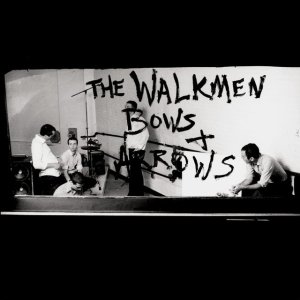
201. The Walkmen – Bows + Arrows (2004)
Hamilton Leithauser might have the greatest singing voice among ’00s indie rock frontmen. It’s a perfect blend of raspy effort and incredible melodic reach. That voice is enough to carry the Walkmen across hard-rock jams and slow ballads easily, a blend that you see across their best album Bows + Arrows. “The Rat” is a definitive rock classic, heavily-eclipsing the band’s other work in terms of critical recognition, but that shouldn’t detract from the rest of the album though, a riveting collection of beautifully-earnest rock music.
 Bitter Melodies