

When movies and tv shows need a nostalgic needle drop, there’s a particular era they gravitate towards. Showrunners from Stranger Things or the producers of essentially any action movie in the post-Guardians of the Galaxy landscape try to straddle a fine line of appealing to older audiences while staying hip to younger crowds. The ’50s-’60s is boomer/hippie-dippie music; the ’70s is passé arena rock and out-of-date disco; the ’00s-’10s is teeny bopper, autotune club music. The ’90s is getting its day in the sun on shows like Yellowjackets, but one decade seems to unite the masses…well, at least in the eyes of crass Hollywood producers and ad executives.
You may roll your eyes when for no discernible reason “Take on Me” starts playing in the Mario movie or Gru starts doing “Everybody Wants to Rule the World” karaoke, but they know that the sound of a little synth pop can start your brain humming and the neon barrage of arcade colors and MTV videos all come flooding. You may not have lived through it (I wouldn’t be born until six years after the Eighties ended), but the baseline iconography of the decade is etched into all our brains. It’s a blaring saxophone solo; it’s glam metal hair and the most garish outfits ever worn by groups of straight men; it’s the interstitial MTV ads that would run ad nauseum; it’s Adidas jumpsuits and multicolor bomber jackets. When someone is throwing an ’80s costume party, you know exactly how to dress — no matter how accurate it actually all was.
The ’80s was the first decade where the music and the visuals went hand-in-hand. My generation and younger has lived in this pop music world our whole lives, but it’s vital to remember how much of an abrupt shift that music videos and fashion created. When Stevie Wonder’s “Superstition” plays, what do you see in your head? Now think about “Smooth Criminal” or “Like a Virgin”. Our relationship to ’80s music was completely shaped by the direct imagery tied to every pop song and quite often, to the movie it soundtracked. For many, this was the end of true artistry in music — dance breaks, glitzy music videos and bold fashion overtaking the body of work at the center. Prog and yacht rock certainly fizzled out in this era.
To make this list, I pored through many other lists of the best ’80s songs and consistently was struck by how often songs were propped up because of their MTV airplay. These lists often settled on the songs that best defined the decade’s iconography rather than judging the music on its own critical worth. The ’80s was an era for iconic music videos and fashion, but the true scope of the decade is complex, wide-ranging, and exceptionally pivotal to what music is made today. What happened in Chicago and Detroit nightclubs essentially created modern electronic music; that feels more important to me than Robert Palmer’s videos. Following the 1979 release of “Rapper’s Delight”, hip-hop exploded into a cultural behemoth by the end of the decade; it was akin to watching a new galaxy form before their very eyes, but the music was predominantly-Black so the masses couldn’t quite appreciate what they were witnessing.
This list of the 500 best songs of the 1980s is my attempt at cutting through all the bullshit. No analyzing Billboard charts or MTV airplay to determine what best defined the stereotypes of the decade. No scrolling through ’80s playlists on streaming sites to find what carelessly gets thrown on at retro parties. As I was picking each song, I didn’t seek out the music video. I respect videos as a separate artform, but it’s ultimately limiting compared to what a great song can always concoct within your own head.
So here it is — my ranking of the 500 best songs of the 1980s. There were no limits on songs per artist or album, but I tried to opt for variety as much as possible. I have a playlist of most of the songs below so you can listen along as you read.
https://music.apple.com/library/playlist/p.O1kzz8bT8Nd20Km
Thank you for reading and sharing!
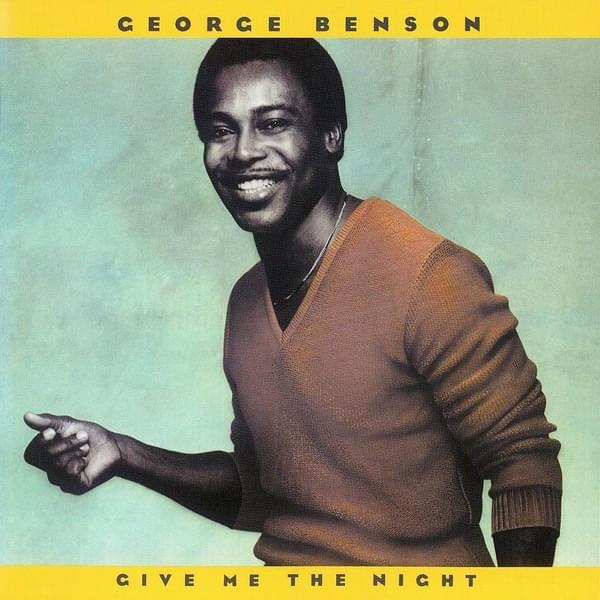
250. George Benson – “Give Me the Night” (1980)
The Off the Wall duo of Quincy Jones and Rod Temperton provided Benson with his first number one soul hit.
249. The Cure – “Fascination Street” (1989)
Only a single in America, this number one alternative hit proved that the band’s grandiose gothic rock style had commercial appeal.
248. Romeo Void – “Never Say Never” (1982)
In the vein of X-Ray Spex, the San Francisco band found sax-filled punk debauchery on their most notable track.

247. Ultramagnetic MCs – “Ego Trippin'” (1986)
Bernard Purdie’s drums found in Melvin Bliss’ “Synthetic Substitution” is one of the most-used samples in hip-hop, and its origins start in this classic.
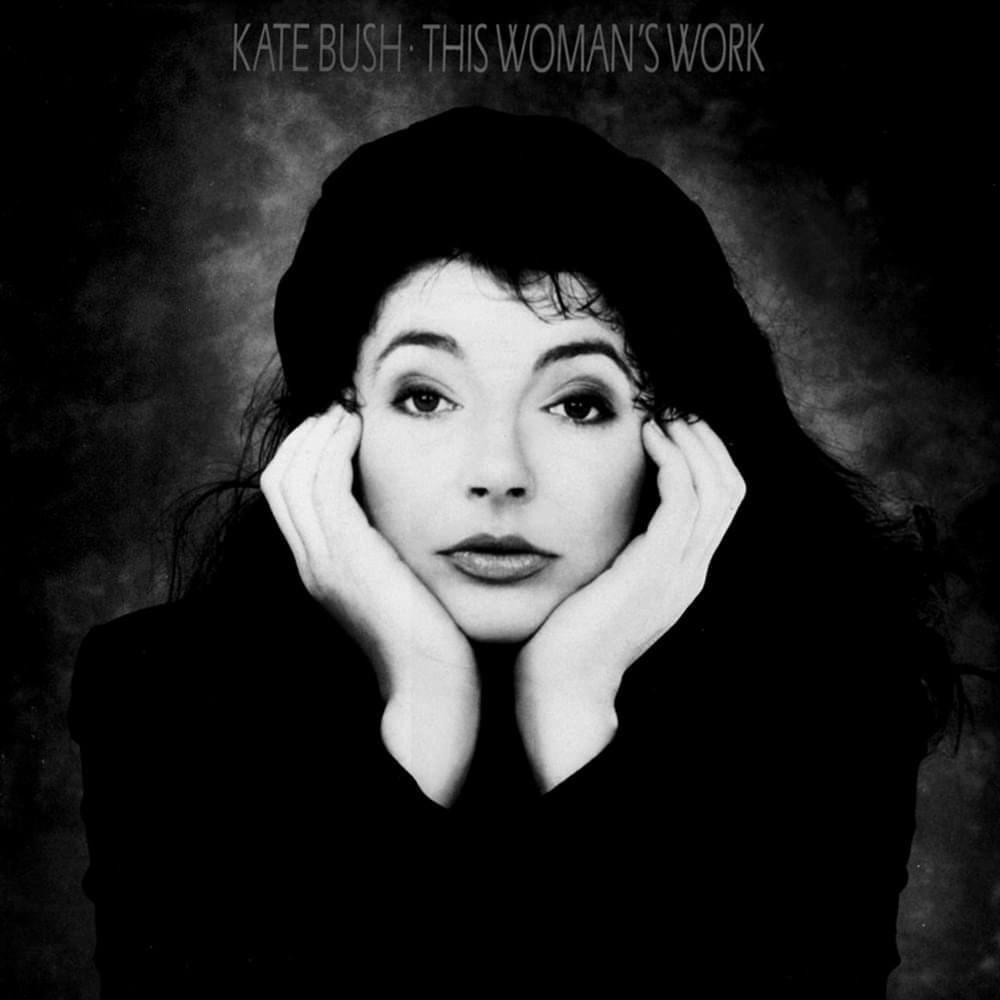
246. Kate Bush – “This Woman’s Work” (1988)
Originally featured on John Hughes’ most forgettable movie from the ’80s, this ballad is one of the most harrowing of both Bush’s career and amongst the slog of ’80s soundtrack ballads.
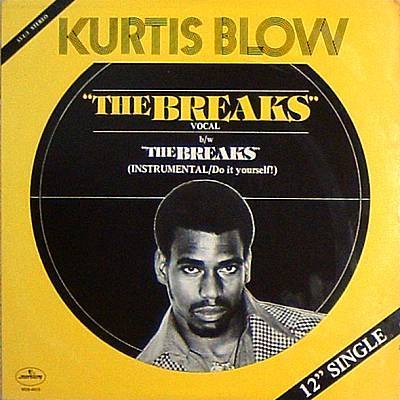
245. Kurtis Blow – “The Breaks” (1980)
This is the first rap song to earn gold certification and its original funk instrumental helped legitimize the genre to wider American audiences.

244. Paul Simon – “You Can Call Me Al” (1986)
As the lead single for Graceland, this big hit revived Simon’s career and brought the sounds of Soweto, South Africa to American radio.

243. The Smiths – “Heaven Knows I’m Miserable Now” (1984)
The band’s first top ten single in the UK, this features one of the most iconic guitar lines of the jangle pop genre and some of Morrissey’s most morose lyrics.
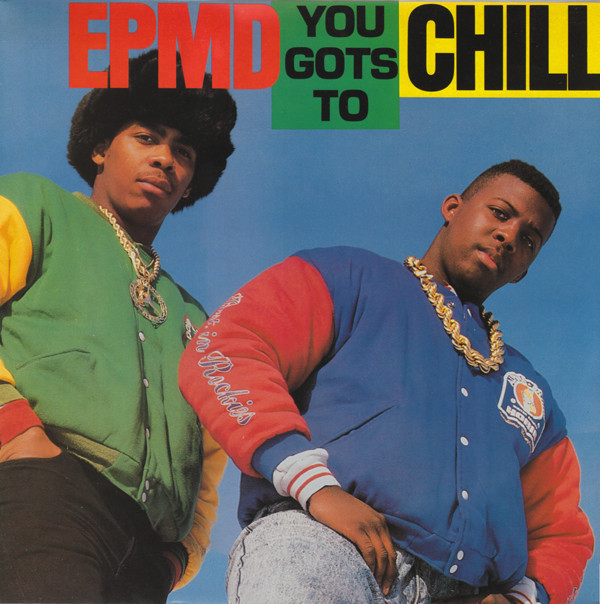
242. EPMD – “You Gots to Chill” (1988)
The New York duo’s most iconic song from their classic debut features prominent samples of Zapp’s “More Bounce to the Ounce” and “Jungle Boogie”.

241. Iron Maiden – “Run to the Hills” (1982)
The best band to come out of England’s new wave of heavy metal peaked with this epic multi-perspective tale of Native Americans and colonists.

240. Peter Gabriel – “In Your Eyes” (1986)
Forever associated with Cusack holding a boombox, this serene love ballad is Gabriel’s best vocal performance and features worldbeat influences to fill out the pallette.
239. Treacherous Three – “The New Rap Language” (1980)
Led by Kool Moe Dee, the pioneering rap group doubled the words-per-bar rate in this electrifying underground epic.
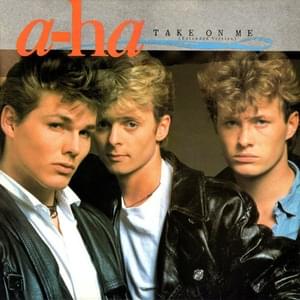
238. a-ha – “Take on Me” (1984)
Considered maybe now the most emblematic song of the ’80s, this number one hit from the Norwegian band features iconic synths, falsettos, and still the greatest music video ever made.
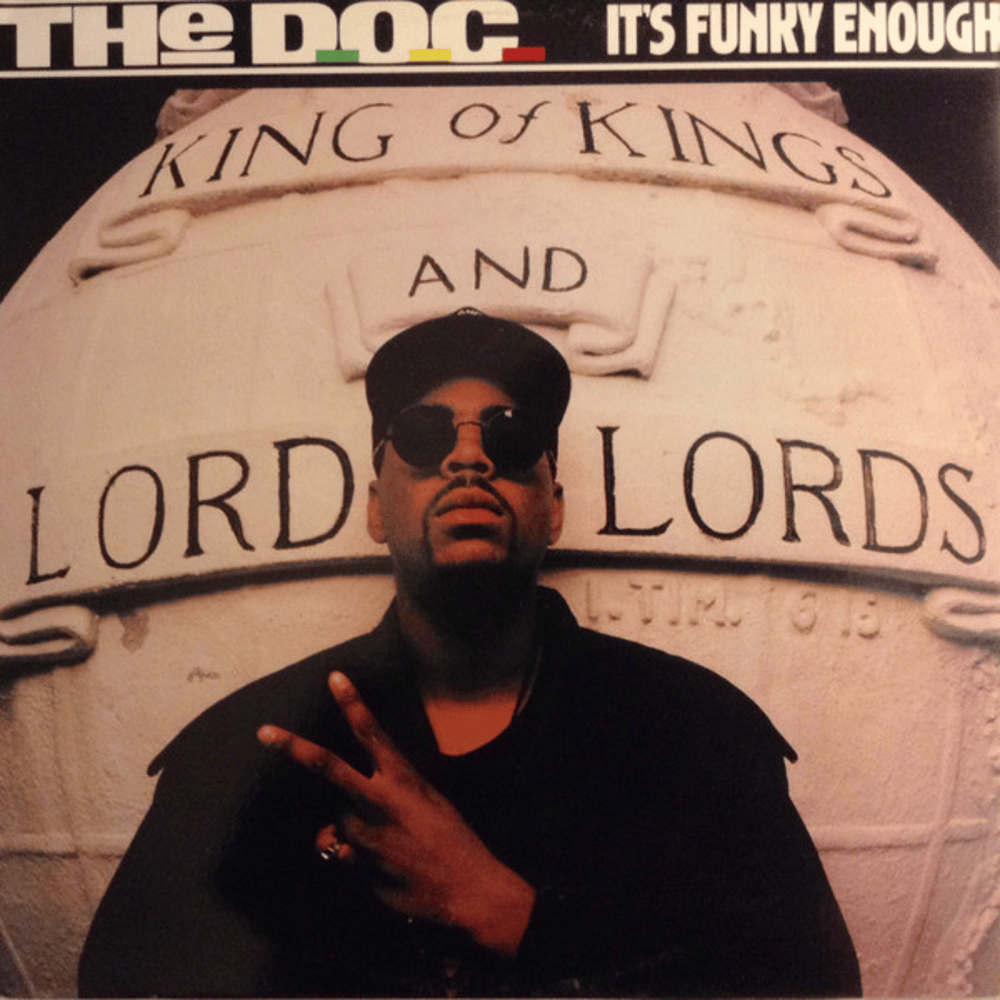
237. The D.O.C. – “It’s Funky Enough” (1989)
With production from Dr. Dre, The D.O.C.’s debut album — and its best song — is an underrated gem in West Coast, funk, and gangsta rap.

236. Prince & the Revolution – “The Beautiful Ones” (1984)
Not released as a single but still as epochal as other Purple Rain cuts, this underrated classic was performed entirely by Prince.
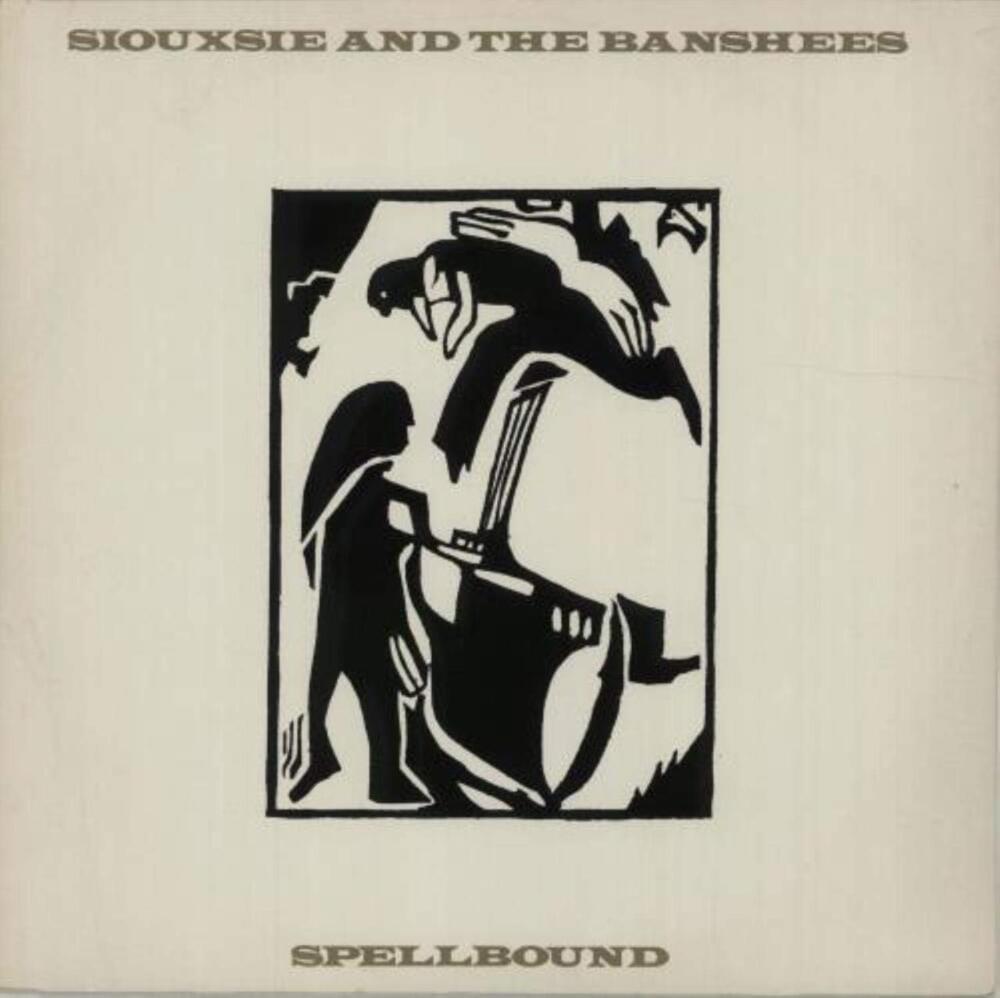
235. Siouxsie and the Banshees – “Spellbound” (1981)
This band’s third album Juju is one of the greatest gothic rock albums and its signature track is a rip-roaring display of prickly guitars, Susan Ballion’s vocals and Nigel Gray’s production.
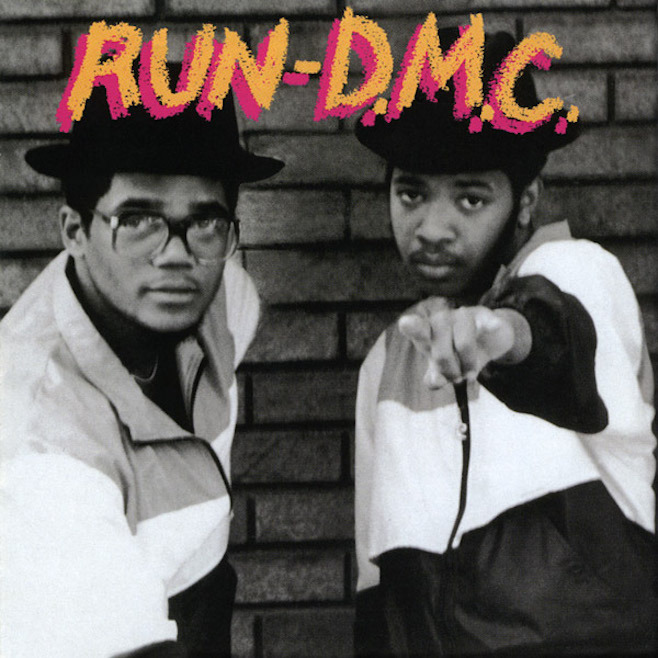
234. Run-D.M.C. – “It’s Like That” (1984)
A spiritual successor to “The Message”, this cut from their debut announced the arrival of maybe hip-hop’s most important act.

233. Thelma Houston – “You Used to Hold Me So Tight” (1984)
Jimmy Jam & Terry Lewis’s production defined the mid-to-late-’80s, and this club hit is one of their most intense with machine-gun like drum machines, washed-out synths and saxophone.
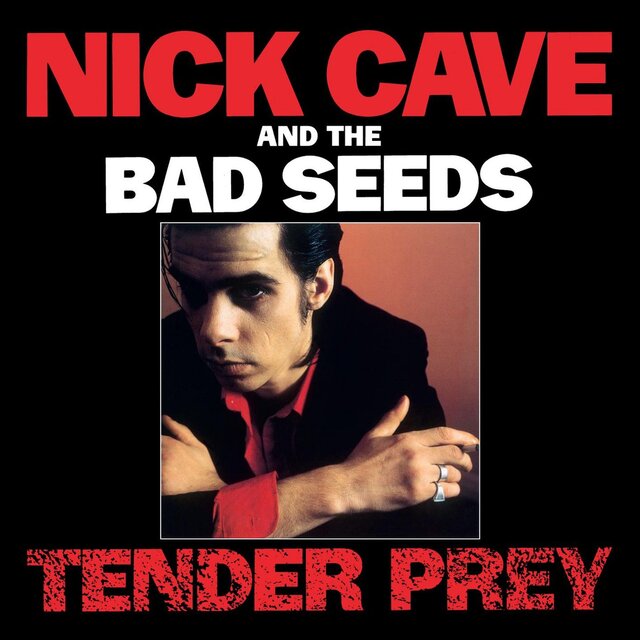
232. Nick Cave & the Bad Seeds – “The Mercy Seat” (1988)
Singer/songwriter usually has a lilting, folky connotation, but Nick Cave’s sinister and oft-vulgar approach expands what the term represents.
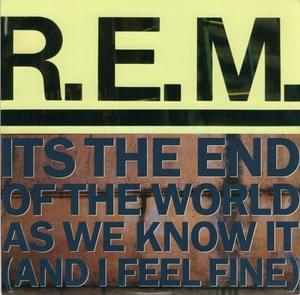
231. R.E.M. – “It’s the End of the World As We Know It (And I Feel Fine)” (1987)
Most of America was introduced to R.E.M. in this pop-culture-laden spitfire single that came to represent the Gen-X existential-crisis state of mind.
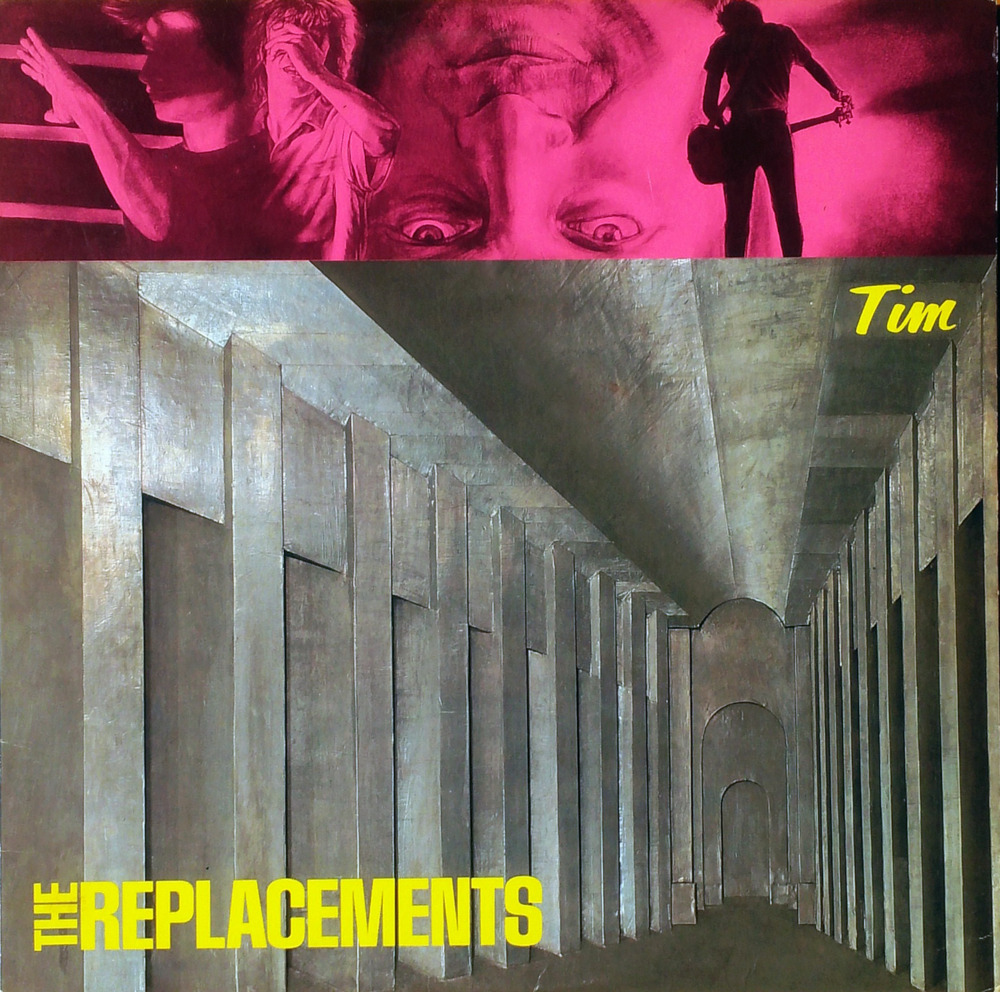
230. The Replacements – “Bastards of Young” (1985)
Emblematic of the band’s outsider status, this Replacements standout is an anthem for all those who feel alienated from the world.

229. Eric B. & Rakim – “Microphone Fiend” (1988)
Using a sample from Average White Band, the legendary duo crafts a soulful bombastic ode to the microphone.
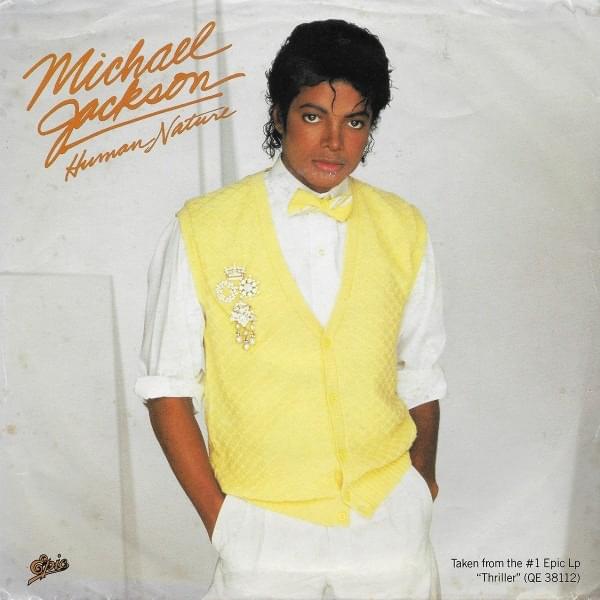
228. Michael Jackson – “Human Nature” (1982)
Toto’s Steve Porcaro recorded this demo which Jackson then heard and made as a last-minute addition to Thriller.

227. Fela Kuti – “Coffin for Head of State” (1981)
After the Nigerian government murdered his mother in a raid, Kuti sent her coffin to a military barrack, which was memorialized in this 22-minute Afrobeat classic.
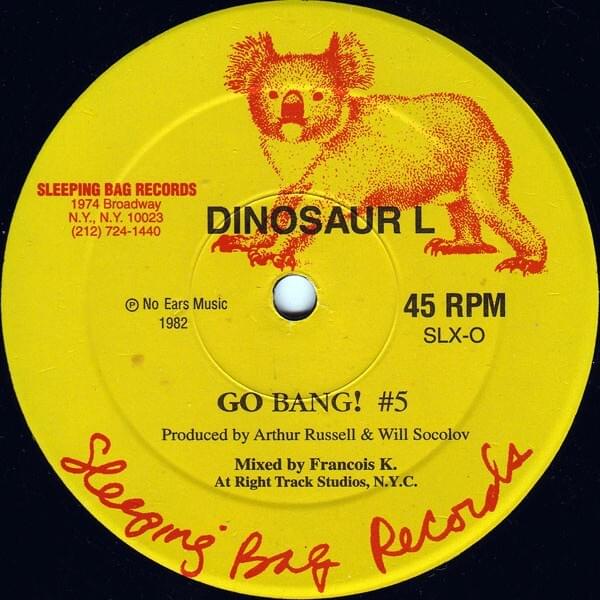
226. Dinosaur L – “#5 Go Bang! (Francois K Mix)” (1981)
Nobody heard music quite like Arthur Russell who takes every disco stereotype here and tilts it all askew in this experimental dance cult classic.

225. Talk Talk – “It’s My Life” (1984)
Other artists have seen success covering this, but none can match the distinct emotionality of Mark Hollis’ vocals.
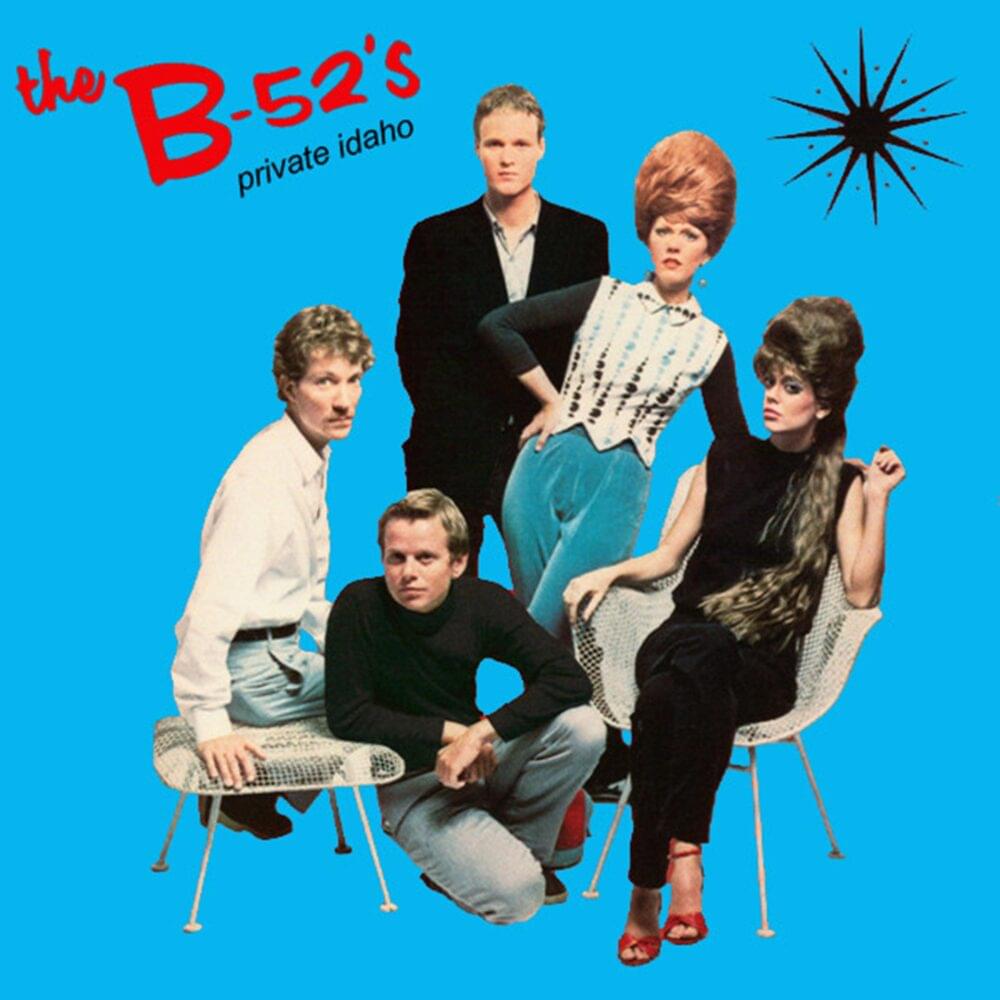
224. The B-52’s “Private Idaho” (1980)
The premier purveyors of punk camp had a mild hit with this opaque ode to a state they would not perform in until 2011.

223. Bruce Springsteen – “Brilliant Disguise” (1987)
Tunnel of Love is clearly about Springsteen’s own crumbling marriage, and this single is the most cynical of all as both partners are just going through the motions.
222. Zapp – “More Bounce to the Ounce” (1980)
More in the vein of George Clinton’s electro view towards funk, the Ohio band utilized a talk-box to thrilling effect of their breakthrough single.
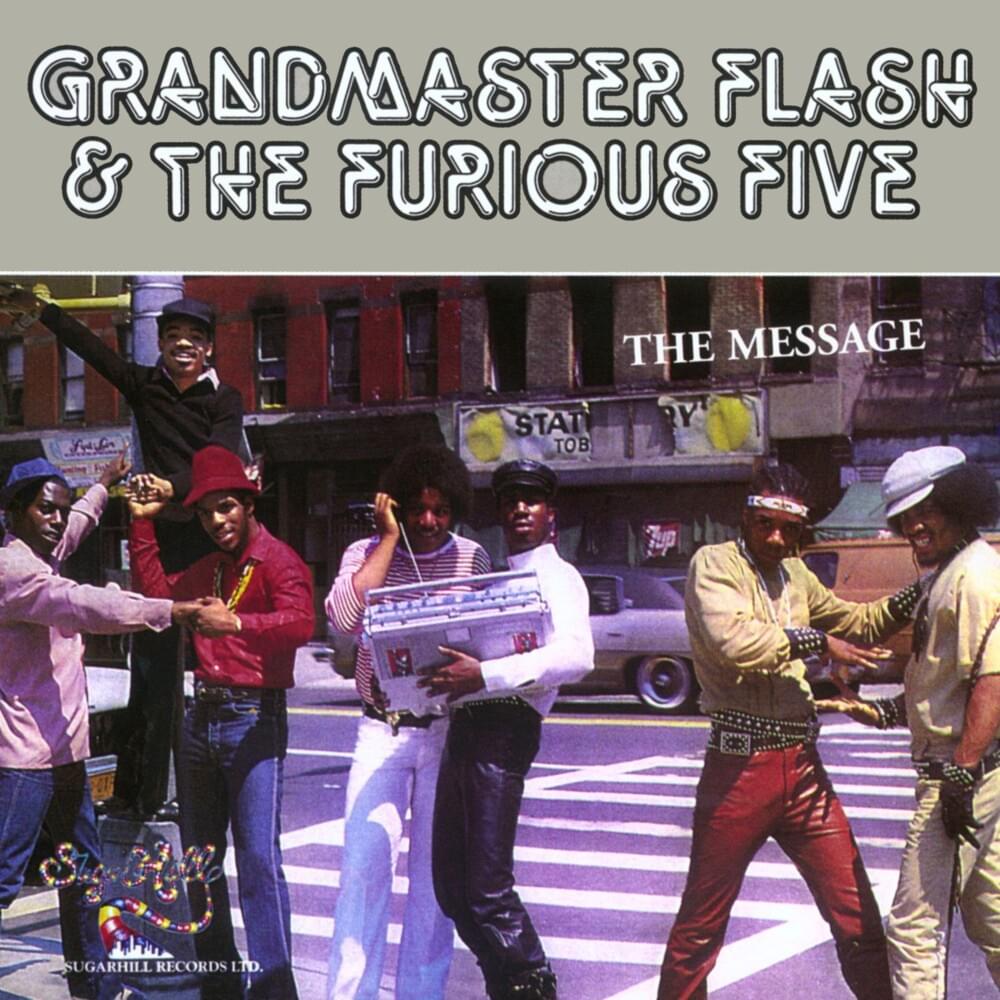
221. Grandmaster Flash & the Furious Five – “The Adventures of Grandmaster Flash on the Wheel of Steel” (1981)
The disc jockey Grandmaster Flash brought turntablism to the masses with this thrilling blend of Chic, Queen, Blondie and Sugarhill Gang.

220. Anthony Red Rose – “Tempo” (1985)
Legendary Jamaican producer King Tubby built a new studio in 1985, and the first song recorded there was this reverb-heavy minimalist powerhouse that would influence the rise in Jungle music.
219. U2 – “New Year’s Day” (1983)
With lyrics about the Polish solidarity movement and instrumentation inspired by Visage’s “Fade to Grey”, this single was the band’s first to chart in the US.

218. Janet Jackson – “Control” (1986)
This title track to Jackson’s breakthrough is a grandiose mission statement that kicks off one of the greatest runs in pop music history.
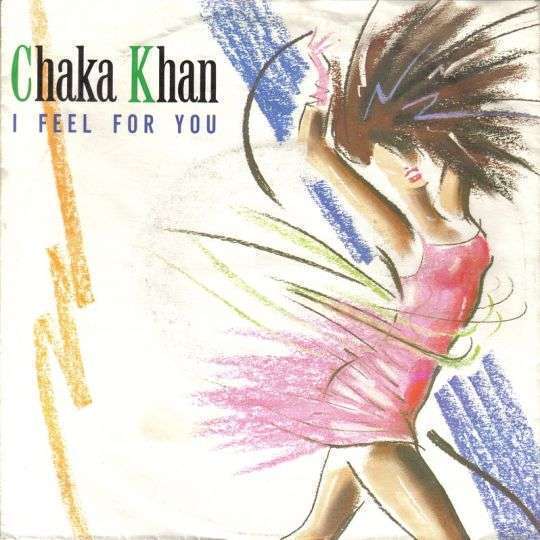
217. Chaka Khan – “I Feel for You” (1984)
Originally Prince’s work, Khan’s version employed some of the greatest instrumentalists of the time (Stevie Wonder among them) to create this massive hit that would win a couple Grammys.

216. Slayer – “South of Heaven” (1988)
To follow up the greatest thrash metal of all time, Slayer maintained their intensity on this opener title track featuring some of the greatest guitar work of the ’80s from King and Hanneman.
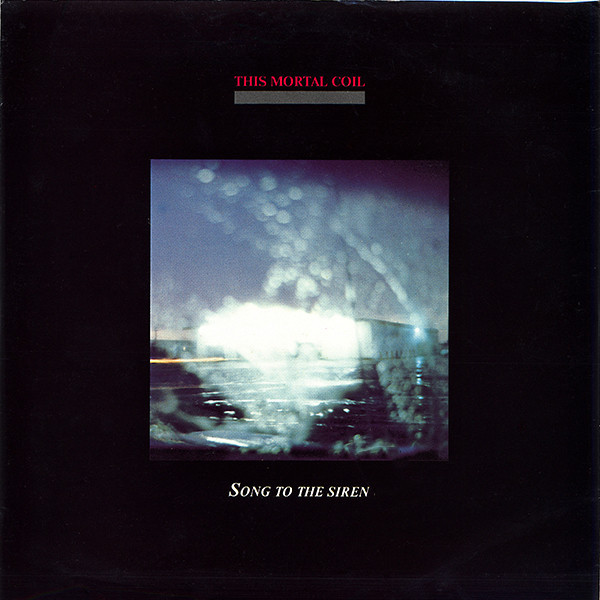
215. This Mortal Coil – “Song to the Siren” (1983)
This Mortal Coil was a duo that used the banner to promote 4AD acts like the Cocteau Twins who performed on this heavenly and mysterious rendition of Tim Buckley’s classic.
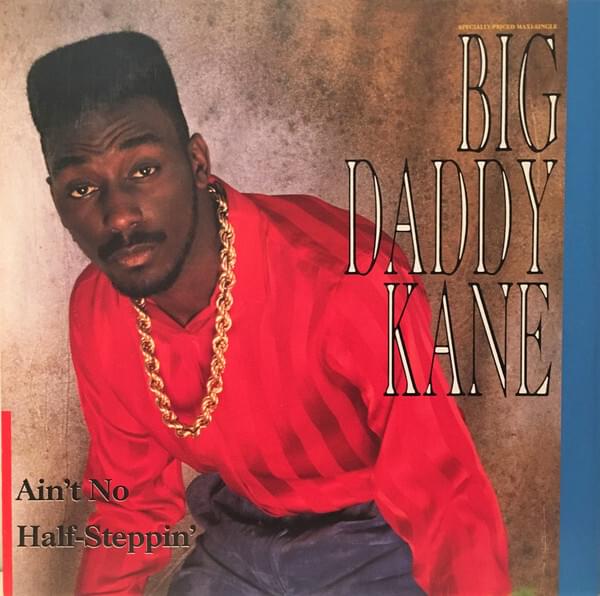
214. Big Daddy Kane – “Ain’t No Half Steppin'” (1988)
In the midst of hip-hop’s takeover of summer ’88 was this charming braggadocio who backed up his claim to the throne on this standout single.
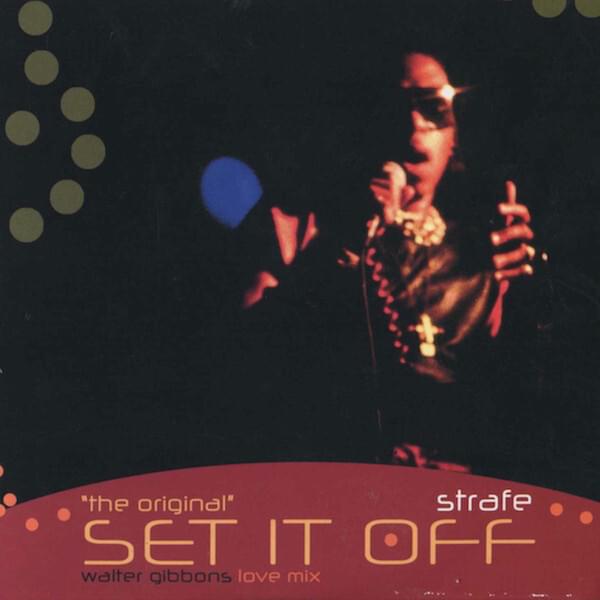
213. Strafe – “Set It Off” (1984)
This electro hip-hop gem would be a guaranteed party starter if more people were simply aware it even exists.

212. Dazz Band – “Let It Whip” (1982)
Deriving their name from a portmanteau of ‘danceable jazz’, this funk band found their most success with this wonderfully-frantic post-disco top five American hit.

211. Echo & the Bunnymen – “Lips Like Sugar” (1987)
The most accessible single in the post-punk band’s catalog, this jangly hook-heavy rocker would get heavy airplay on college radio.
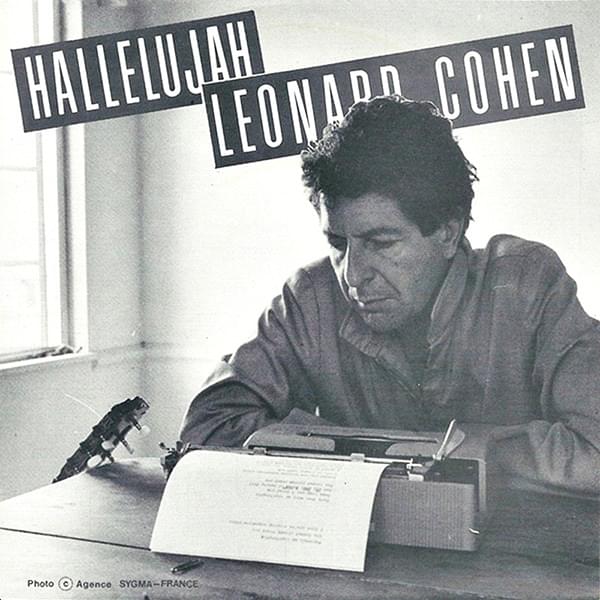
210. Leonard Cohen – “Hallelujah” (1984)
Many would say Jeff Buckley’s cover is the definitive version, but everything he worked with can be found in Cohen’s original from the beautiful chorus to the haunting undertones.

209. Sade – “Paradise” (1988)
Paul Denman’s bassline here is one of the greatest — ever-present and the focal point from which every melody and vocal turn works off of.
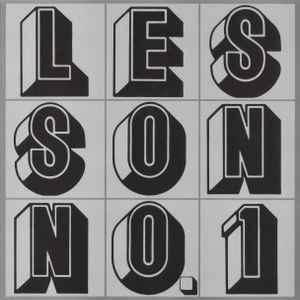
208. Glenn Branca – “Lesson No. 1 for Electric Guitar” (1980)
The avant-garde rock mastermind Branca sought to redefine the guitar in his own image and through his particular tunings, harmonic structures and relentless repetition, he absolutely succeeded.

207. Sheila E. – “The Glamorous Life” (1984)
As if Prince didn’t have enough on his plate in ’84, he wrote and produced this dance classic with Sheila E., who doesn’t get enough credit as one of the greatest percussionists of her era.

206. The Cure – “Lovesong” (1989)
In the middle of the alienated gothic rock epic of Disintegration sits this stunning romantic ballad, the biggest American hit of the Cure’s career and the go-to alternative love song.

205. Morrissey – “Everyday Is Like Sunday” (1988)
Stephen Street is the secret vanguard of British music history, working closely as a producer and songwriter with Morrissey throughout the Smiths and on his debut solo album.

204. Boogie Down Productions – “The Bridge Is Over” (1987)
Using the verse structure of Billy Joel’s “It’s Still Rock and Roll to Me”, K.R.S. One takes aim at every Queensbridge rapper that claimed hip-hop started there on this classic diss track.

203. Pixies – “Wave of Mutilation” (1989)
This short standout on Doolittle was inspired by news report of Japanese businessmen committing murder-suicide by driving their cars into the ocean.

202. Frankie Knuckles/Jamie Principle – “Baby Wants to Ride” (1987)
This homoerotic classic features a stirring vocal turn from Jamie Principle, the unsung hero of Chicago house music, and production from Knuckles that leans heavy on washed-out digitized synths.
201. Beastie Boys – “Hey Ladies” (1989)
With three MCs flying in-and-out every few words and 21 different songs sampled, this funky hip-hop classic is a phantasmagoric display of the hip-hop landscape before the 1991 sample restriction laws went into place.
 Bitter Melodies