
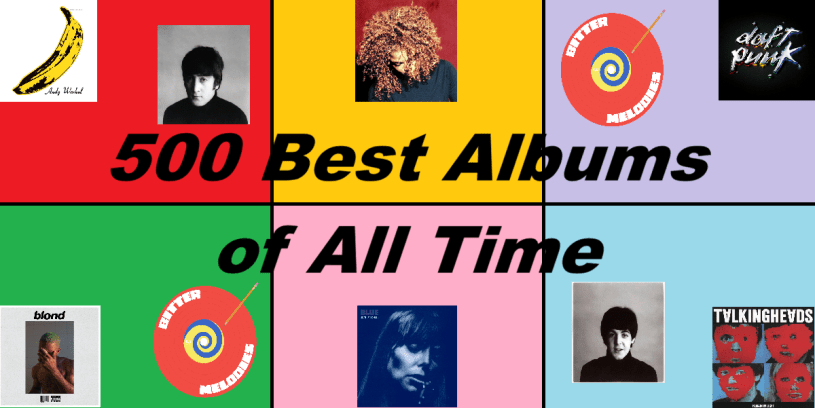
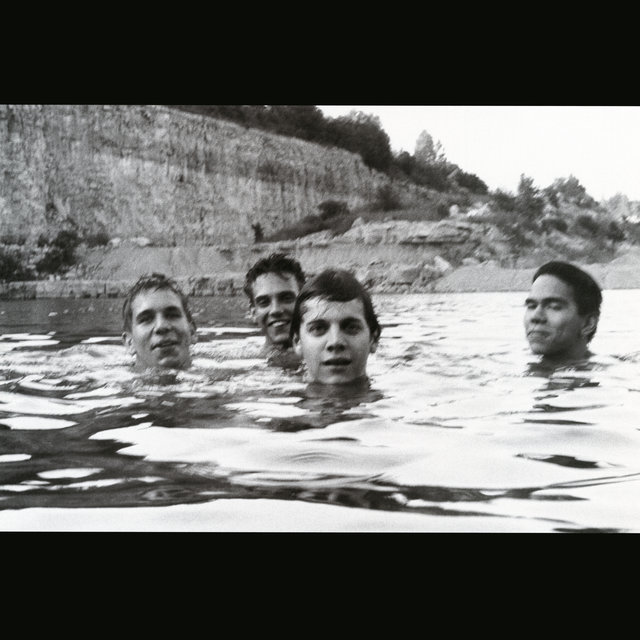
475. Slint – Spiderland (1991)
Before their cult classic second album had come out, Slint were no longer a band. Vocalist Brian McMahan’s depression in addition to the band’s lack of success contributed to the dissolution, but the six legendary tracks within took on a life of their own. Being signed to Touch and Go records, they existed in the same space as hardcore and garage bands like Big Black and the Jesus Lizard, but their M.O. was something much more refined and patient with complex rhythms ready to explode into catharsis. Spiderland turned into the definitive post-rock album with McMahan’s low-mix speaking vocals requiring repeat listens and intense concentration — the type of album every online music nerd keeps as their avatar. Their atonal guitar tunings are a genre all its own with many ’90s/’00s bands being unfavorably put under the Slint wanna-be label.
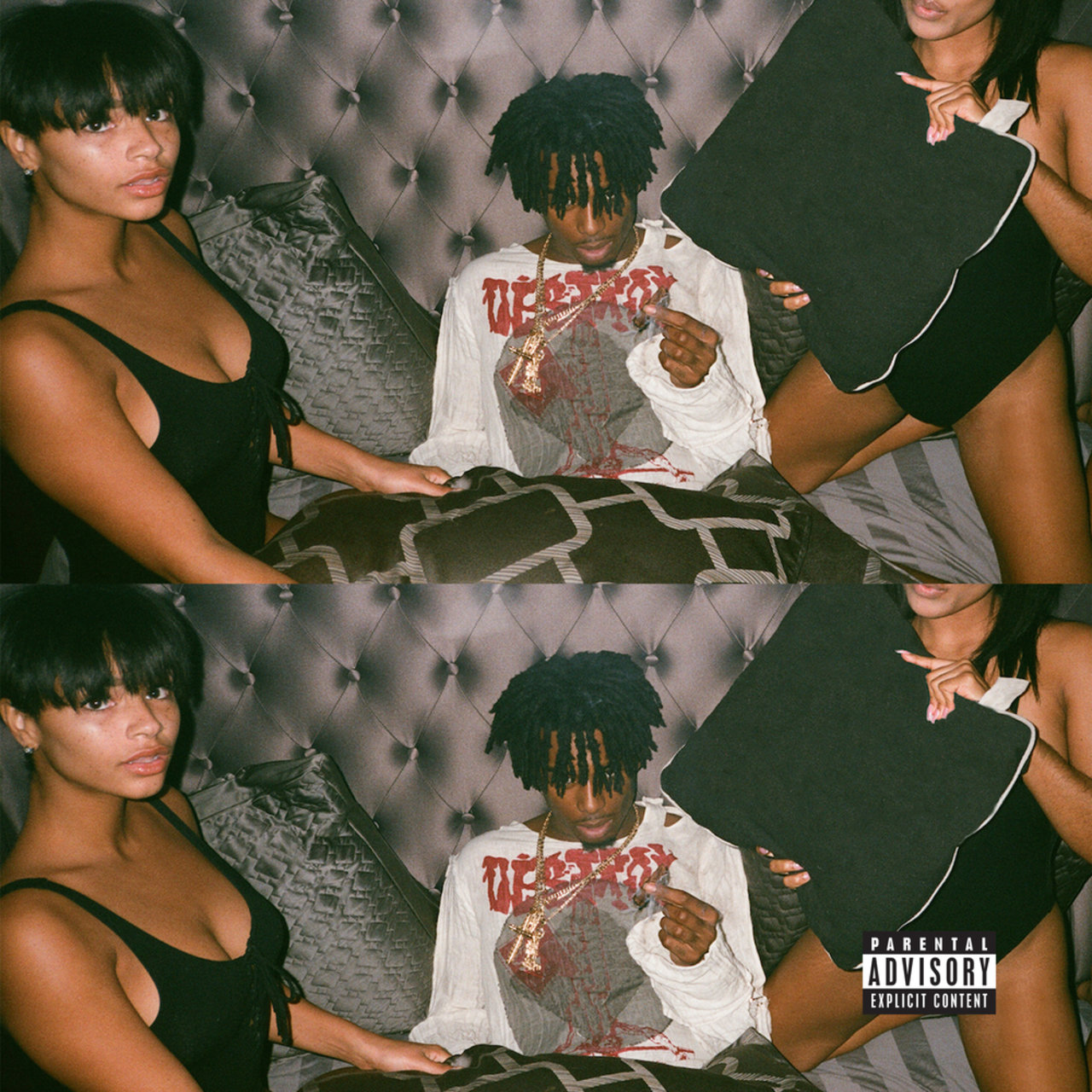
474. Playboi Carti – Playboi Carti (2017)
Playboi Carti has been the most exciting hip-hop artist of the last decade. He very much hits all the mainstream notes a popular rapper would do, but he also always carries an avant-garde edge. It was apparent immediately on his debut commercial mixtape with the opener “Location” having the ethereal atmospheric quality of ’90s video game loading music. Even the hits (“Magnolia” and “Wokeuplikethis”) operate with a loopy ad-lib-filled rhythm that is as hiccupy as it is hype. Pi’erre Bourne’s production is percussive and airy in equal measure, allowing Carti to bounce around and fill in the voids. It’s rap music turned entirely into texture and rhythm, a cathartic evolution away from much of the tedium and literal nature of so much hip-hop.
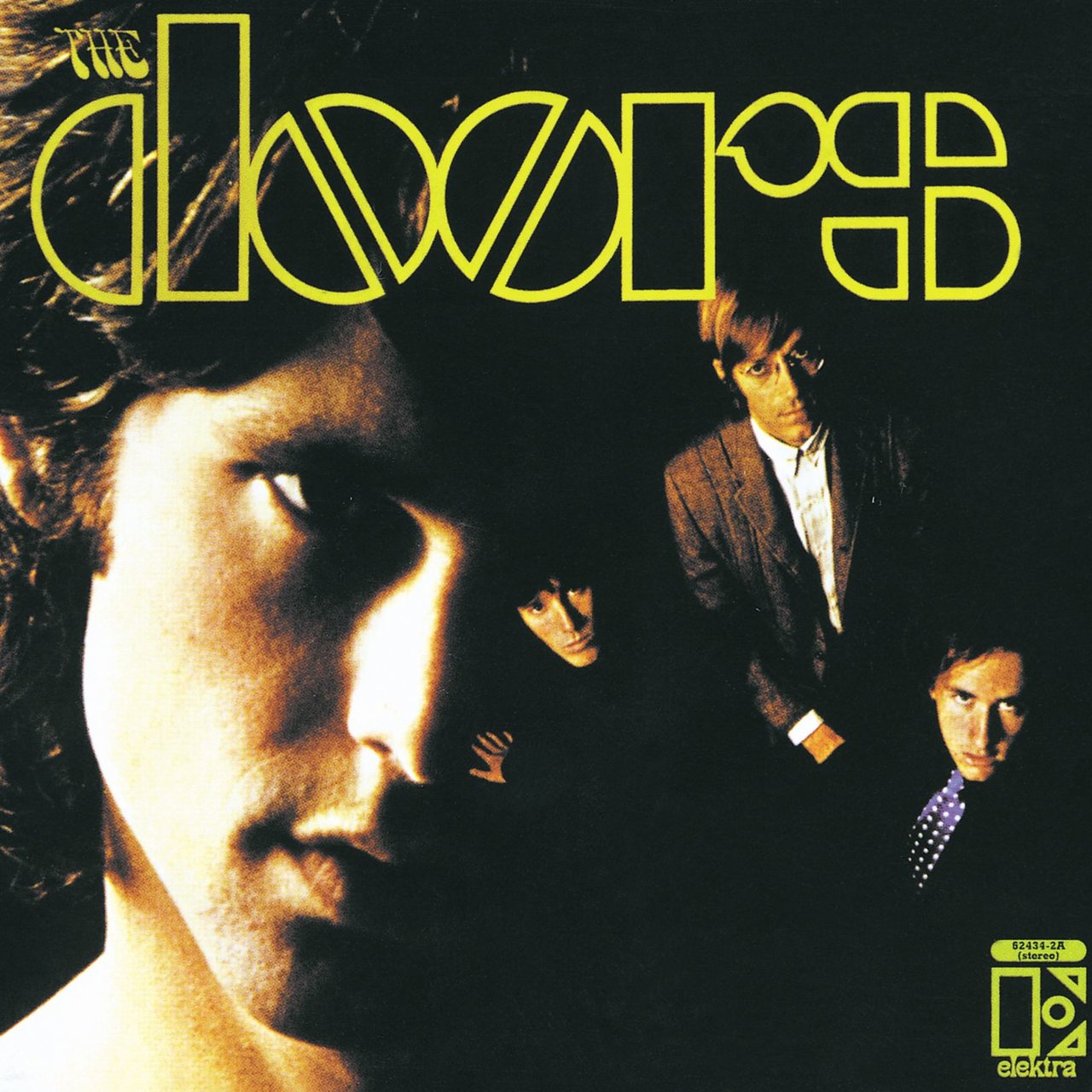
473. The Doors – The Doors (1967)
The Doors are not as great as their legend and mystique is, but if you listen to some critics, you’d think they couldn’t write a decent song to save their lives. A compromise is in order: this band made quite a few good songs, some legendary songs, and a lot of middling forgettable music. Their debut has the best ratio of good vs. bad among their six albums. The opener “Break on Through” is their most re-listenable track with a titillating groove from drummer John Densmore; “Light My Fire” earns its length with a great keyboard performance by Ray Manzarek; “The End” is wonderfully indulgent apocalyptic rock with Jim Morrison masquerading as the Lord of Death for damn near 12 minutes. The peaks make up for the valleys, but the album rarely falters too much, settling into either a jaunty blues tune or a spooky psychedelic number.
472. Autechre – Tri Repetae (1995)
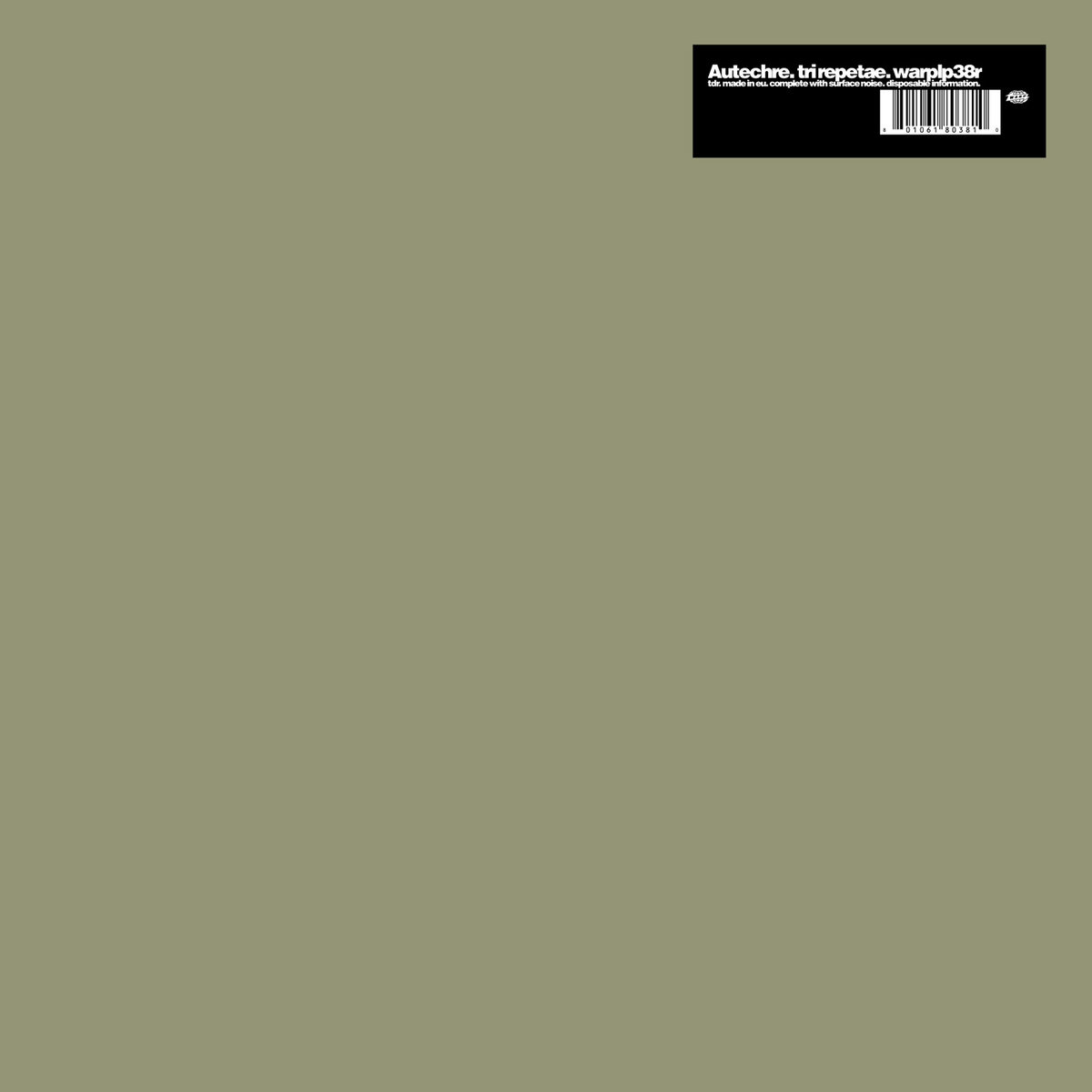
As the UK acid house scene started to dissolve and evolve, the next wave of electronic artists veered towards the complex and abrasive. Some became jungle, some became rave, some became IDM, which is where the duo of Autechre reside (despite detesting the genre name). Appearing first on Warp records legendary compilation Artificial Intelligence, Autechre went on to have the second-most critical success for the label throughout the mid-’90s. Moving away from the lush textures of 1994’s excellent Amber, the duo developed a cold metallic production style reflected on the monochrome album cover itself. Tri Repetae‘s music is dense with layers of texture audible at all times. Many electronic artists have imitated the cold Autechre style, but many have fell victim to being standoffish and stuffy. The duo always utilized their electro and hip-hop influences to stay rhythmic above all else.
471. The Quintet – Jazz at Massey Hall (1953)
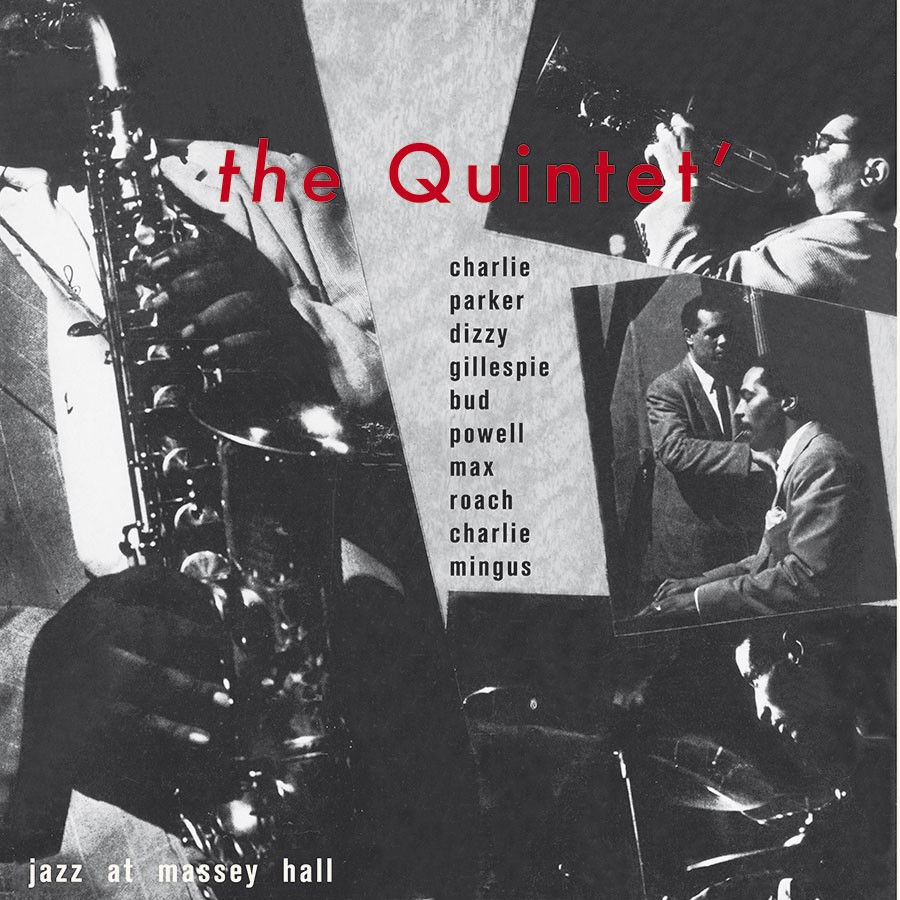
This collection of beboppers playing together still sounds too good to be true: Charlie Parker on saxophone, Dizzy Gillespie on trumpet, Bud Powell on piano, Charles Mingus on bass and Max Roach on drums. The jazz family tree you could create with just those five covers a large portion of jazz history. The reality was a little less grand however. This would be the only time the five ever performed together and the crowd was reportedly so small that only Parker got paid. Mingus, who took charge in releasing the album, overdubbed his bass part because he was displeased with the original recording. Many detest the overdub and thankfully, you can now listen to the undubbed tapes. No matter the version, all the members are operating as the virtuosos they are with ample space for wonderfully-crafted solos. This performance is most notable as the nexus point for jazz history, where Parker and Gillespie were passing the reins to Mingus and Roach, where bebop would give way to modal and the avant-garde.
470. Roxy Music – For Your Pleasure (1973)
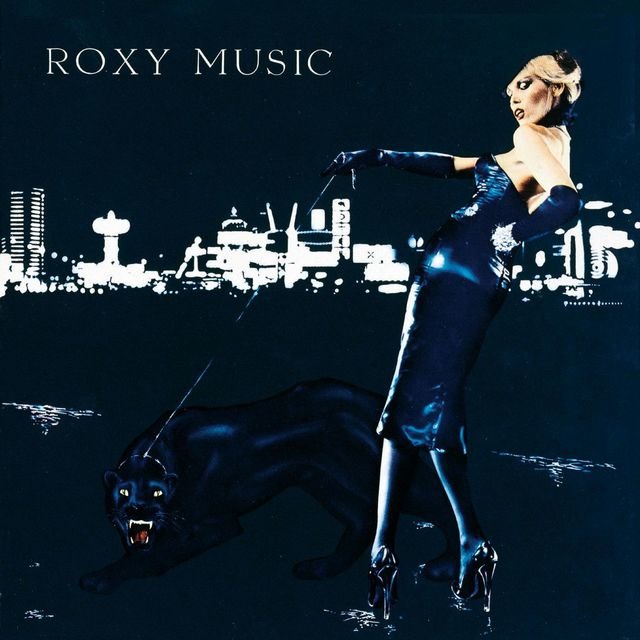
Glam rock had a stranglehold on the UK scene in the early ’70s, and Roxy Music were critical in pushing the epochal subgenre past its blues and rockabilly influences and further into art rock territory. Bryan Ferry, Brian Eno and Andy Mackay all met in art school, with guitarist Phil Manzanera winning a rigorous audition. They all bonded over the electronic and avant-garde scenes and seamlessly incorporated that into the mainstream rock template. By this second album, they were a well-oiled machine; Mackay’s saxophone could put the simplest rock tune on the fritz (“Editions of You”); Manzanera’s electrifying solos elevated any song he graced (“In Every Dream Home a Heartache”); Eno’s unmatched ear for atonal compositions and repetition brought an avant-garde edge (“The Bogus Man”); and Ferry brought his love for old Hollywood standards and crooning to the ’70s without any stuffiness (“Do the Strand”). This album featured the last iteration of this perfect ensemble, but their output throughout the ’70s and ’80s continued to be at the forefront of the UK rock scene.

469. Dijon – Baby (2025)
The current producer of the moment is Dijon Duenas, who with his frequent collaborations with Mk.gee has turned rock and R&B into a sensuous lo-fi spectacle. After a promising debut and producing for Bon Iver and Justin Bieber, he truly solidified his artistic M.O. with this ode to becoming a father and a sought-after collaborator. His style has clear influences from Frank Ocean’s Blonde to D’Angelo to Jai Paul. It’d be like if Prince started in the 2020s — he was working with funk, soul, R&B, rock, but the end result was always just…Prince. Album highlight “Yamaha” is arguably the best Prince-inspired song of the 21st century. What makes Dijon’s lo-fi so delectable is how adept he is at layering, adding little synth/piano/guitar riffs worthy of their own song into the mix just for the flourish. It’s a sign of incredible confidence and boundless creativity; the sky’s the limit.
468. The Jesus and Mary Chain – Psychocandy (1985)
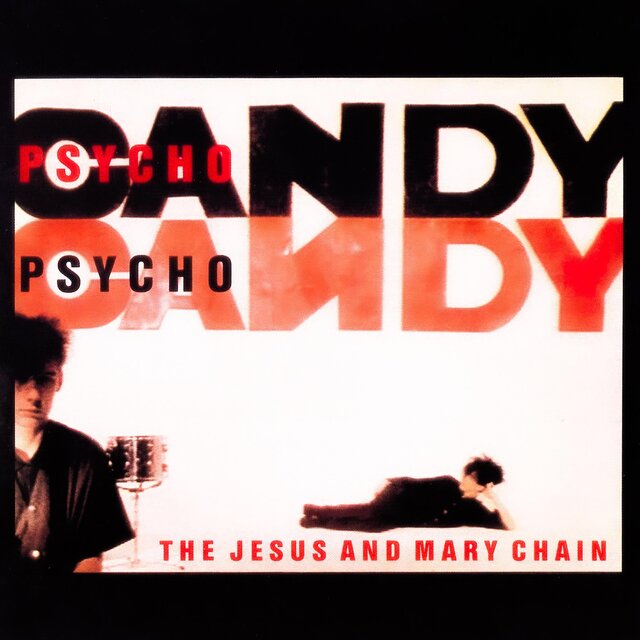
Brothers Jim and William Reid struck gold with their debut album and helped formulate the next four decades of alternative rock in the process. Their band formed in 1983 as a direct statement against the overly-polished radio-ready pop music of the early MTV era. They cranked the guitar feedback to max levels and sang with the dry vocals of their predecessors Lou Reed and Alan Vega to create a dreamy noise pop sound ready to proliferate across the UK and American rock underground. Album opener “Just Like Honey” utilizes the iconic “Be My Baby” drum intro to announce themselves like Phil Specter had done twenty years prior: pop music made with a wall of sound. Psychocandy exists in a lineage of revolutionary pop music — music made with a disdain for the mainstream but a love for the core of it: the melody. You just have to be clever in how you present it.
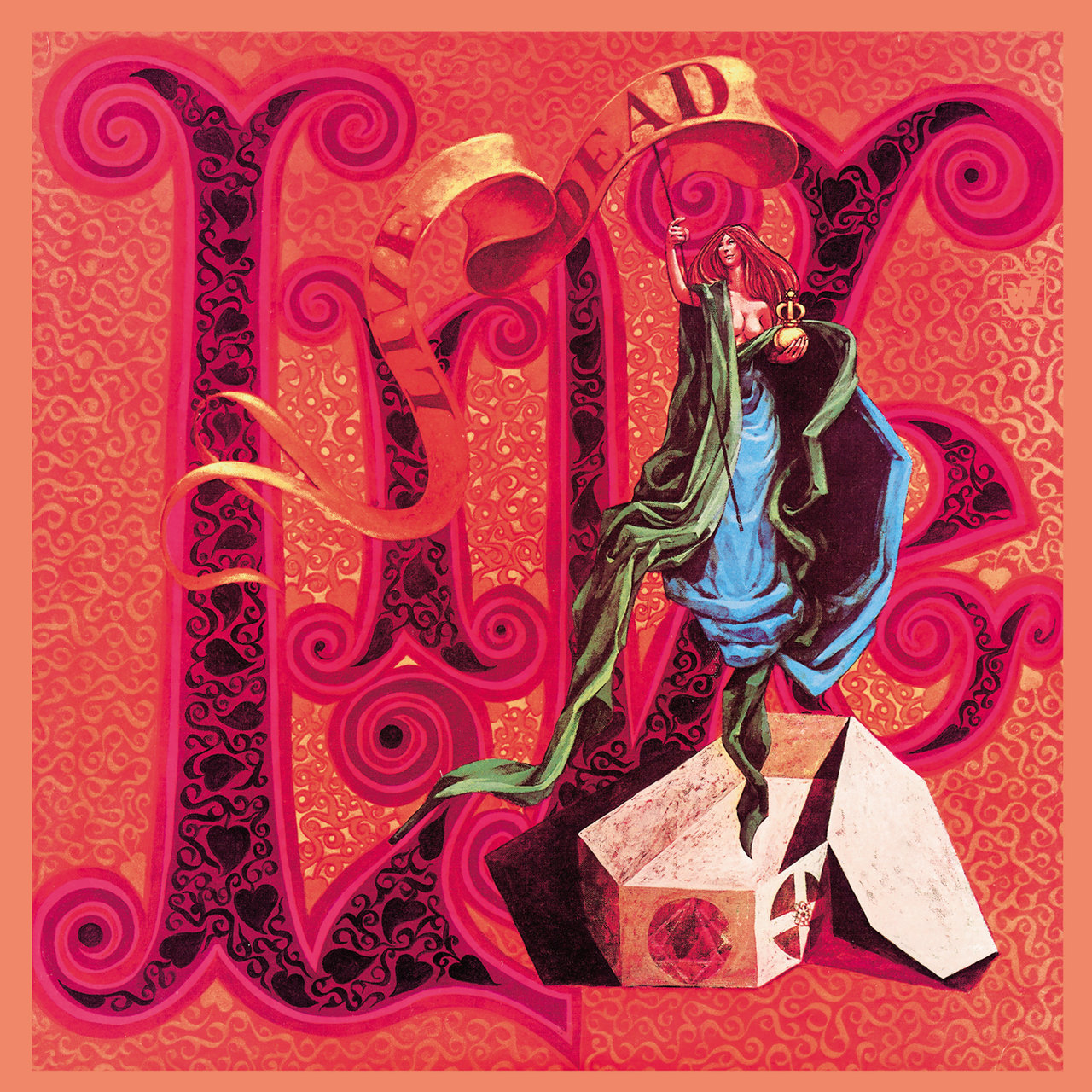
467. Grateful Dead – Live/Dead (1969)
No other band exists in quite the same sphere as the Grateful Dead. They didn’t have a top-40 hit for the first two decades of their career, and yet seemingly everyone who lived through the counterculture movement knows and bows down to the San Francisco rockers. They’ve made some highly-regarded albums, but their legacy lies in their live performances with Deadheads constantly debating which taping of “Dark Star” or “The Other One” is the definitive version. That history starts with their first live album, the first of its type to use 16-track recording. Recorded over a few performances at Fillmore West and the Avalon Ballroom, the seven-piece band flexed their psychedelic acid rock muscles turning previously staid album cuts into moments of boundless creative improvisation. The album was a minor commercial success and helped pay for the debts of their previous albums, but more importantly, it inspired the band to lean into their strengths as performers which bled back into the studio as they would soon record their most well-known material.
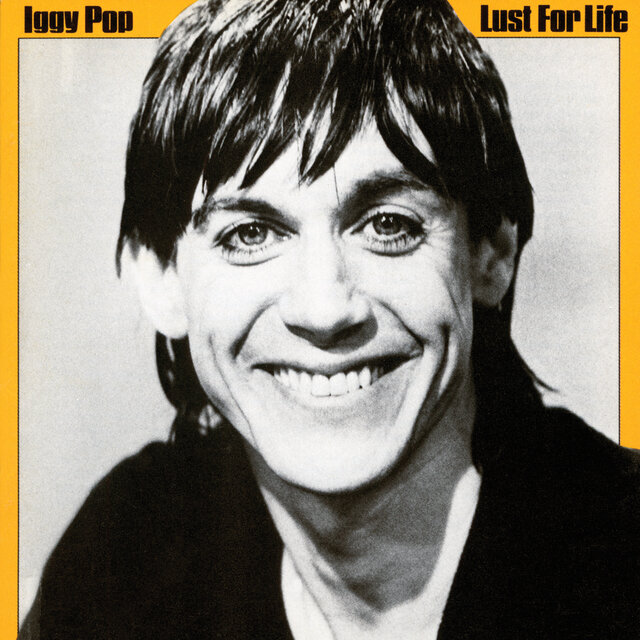
466. Iggy Pop – Lust for Life (1977)
After the breakup of the Stooges, Iggy Pop was set adrift. He had checked into the UCLA Neuropsychiatric Institute to curb his rampant drug use, and Bowie then took him under his wing. Bowie would help write Pop’s first two solo albums in ’77 with Lust for Life being the slightly more successful of the two. Iggy Pop’s solo career certainly softened his image — look, he’s wearing a shirt on this album cover — but it also solidified him as one of the great thinkers of the punk movement rather just a vessel of grubby cathartic energy. The title track and “The Passenger” tower over not only this album, but the entirety of late-’70s rock and proto-punk’s evolution. Bowie’s fingerprints are all over “Tonight” and “Turn Blue” and would’ve comfortably fit on Station to Station. The album ends with one of Pop’s most underrated tracks “Fall in Love with Me”, a seductive blues stomper that directly references West Berlin where it was all recorded.
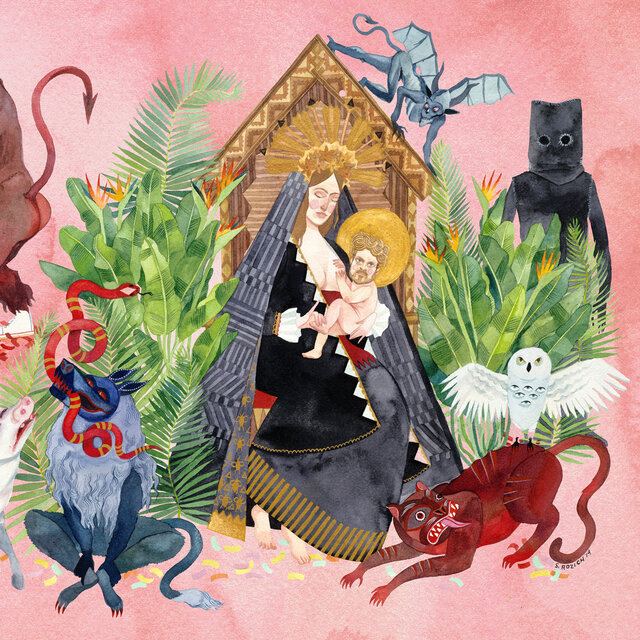
465. Father John Misty – I Love You, Honeybear (2015)
Josh Tillman spent a decade touring and collaborating with other artists before he settled on his stage name. Following his tour as the drummer for Fleet Foxes, he released 2012’s Fear Fun, a promising debut that now acts as the precursor to this satirical soft rock classic. I Love You, Honeybear runs the gamut on Tillman’s aesthetic and thematic obsessions. A newly-married man, he often sings of domestic anxieties from the passion in his sex life to how they come across at parties. Still, instead of being bogged down in sentimentality or obvious conclusions, Tillman writes more like a postmodern author blurring the lines between fiction and reality and always sharing his opinions with a blatant wink. His writing style has earned detractors — certainly from those who take him too literally — but when his words are backed by incredible arrangements, there are few rockers today this exhilarating.
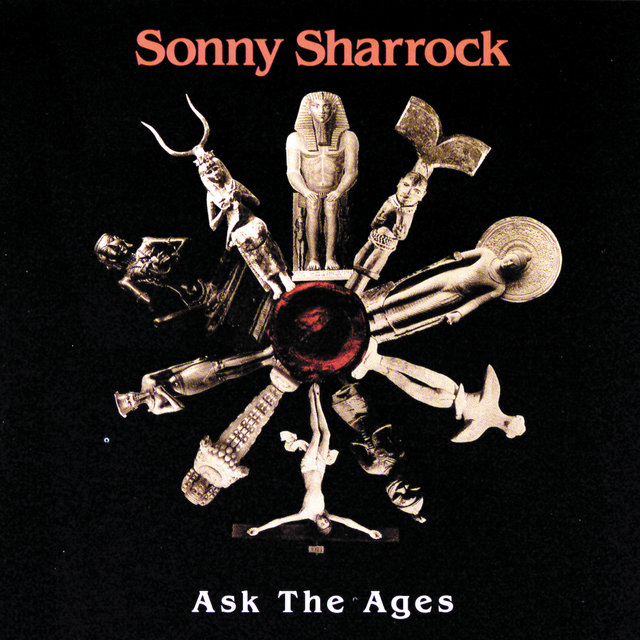
464. Sonny Sharrock – Ask the Ages (1991)
The guitar was not Sonny Sharrock’s first choice. He was inspired to play the saxophone after hearing John Coltrane on Kind of Blue, but asthma prevented him from doing so. Instead, he just became one jazz’s greatest guitarists, utilizing the instrument’s full capacity to create a stabby horn-influenced sound all his own. His career featured many peaks and valleys, releasing incredible solo albums in the late-’60s and early-’70s and taking a full decade off making music altogether. In the last era of his life, bassist and producer Bill Laswell compelled Sharrock to get back into recording with his final album Ask the Ages being the culminative magnum opus. Sharrock’s guitar leads one of the greatest lineups assembled in the last 40 years of jazz: Pharoah Sanders on sax, Elvin Jones on drums and Charnett Moffett on double bass. This crew conjured an electrifying energy in their spiritual jazz that will live far beyond the era it was produced. These are tunes that his idol Coltrane would have greatly admired.
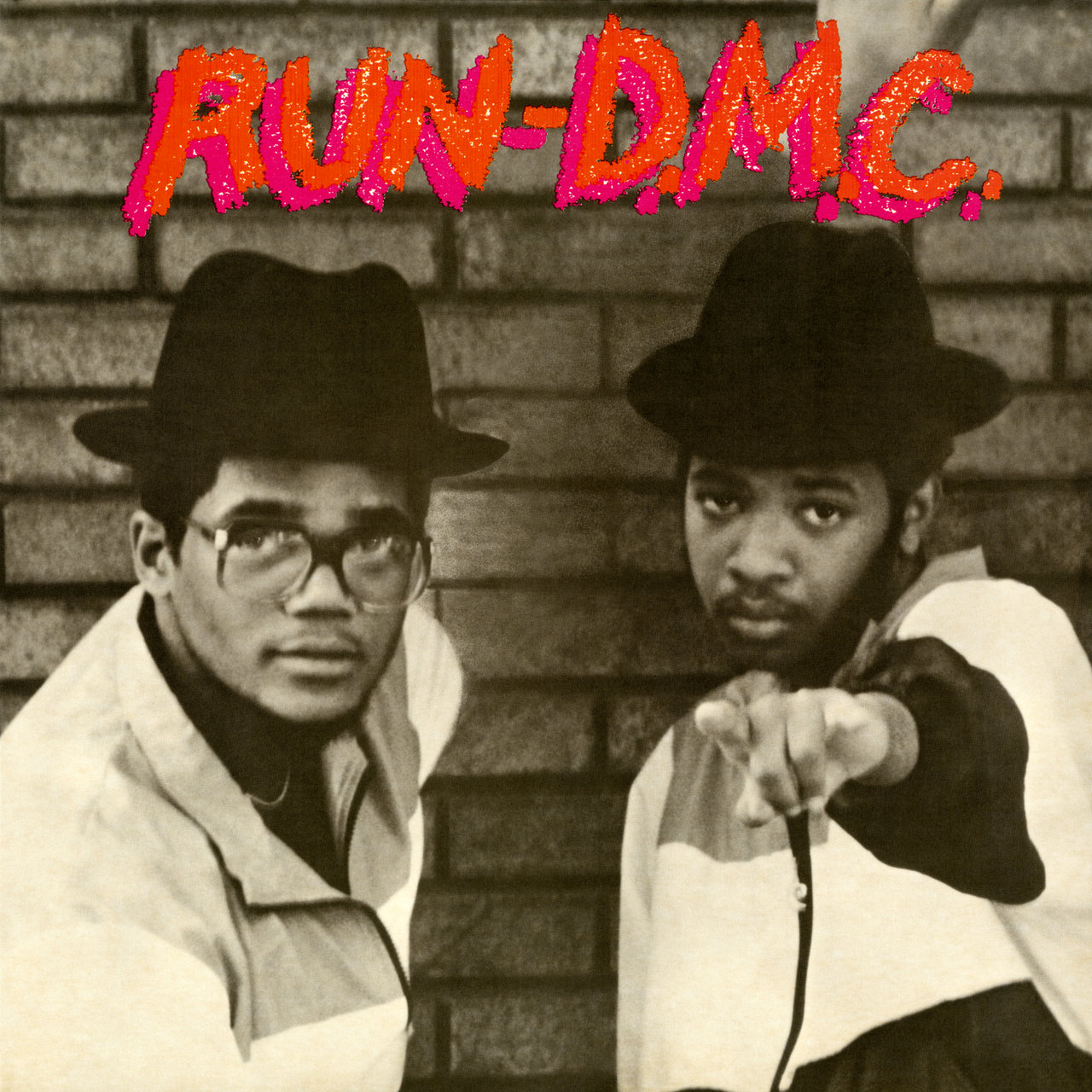
463. Run-D.M.C. – Run-D.M.C. (1984)
You are simply not going to respect Run-D.M.C. in the proper way if you don’t understand the evolution of hip-hop, specifically the history of the hip-hop album. With immense respect to Kurtis Blow, Grandmaster Flash and the Sugarhill Gang, nobody made a hip-hop album worth listening to front to back until Run-D.M.C. did with their debut. Raising Hell would break down even more barriers, but the legendary trio’s creativity, charisma and influence are all contained in their self-titled classic. This wasn’t party music or anything electro-adjacent; this couldn’t be played at the disco clubs; it was just rhymes and a beat — the first iteration of hip-hop in album form that sounded modern. “Rock Box” and “It’s Like That” exist alongside “The Message” as the most influential hip-hop anthems of the early days. Much like Elvis or the Beatles, their immediate popularity and influence were one and the same. Run-D.M.C. was the first rap album to go gold, and every hip-hop legend for the next decade pointed to this moment as ground zero.
462. Neu! – Neu! (1972)
Klaus Dinger and Michael Rother were part of Kraftwerk’s first iteration before leaving and revolutionizing German music through the ’70s. Their self-titled debut album made little initial impact internationally, but its brand of krautrock and use of the motorik beat opened the creative floodgates for German rock music. The 10-minute opener “Hallogallo” could be seen as the purest krautrock track ever made with its relentlessly steady beat providing the backdrop for airy and enveloping guitar work. “Negativland” features more of the same spacious rock style, but elsewhere, ambient, musique concrète and noise rock feature prominently making the krautrock style a large unrestrictive aesthetic umbrella. Neu!’s impact would eventually be seen once Eno and the large web of his acolytes began making music with the German band’s sense of creative freedom and intuition.
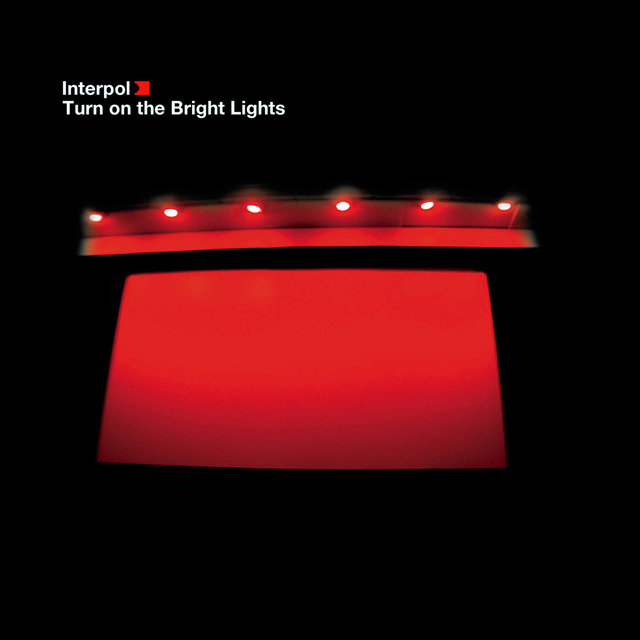
461. Interpol – Turn on the Bright Lights (2002)
The NYC band still feels designed in a lab to ensnare every post-punk and alt-rock fan into their sphere — from the Strokes-like choppy rhythms to the shoegaze-esque solos to Paul Banks’ vocals which sounds like an amalgamation of every ’80s college rock legend. Interpol’s debut also came out in a post-9/11 landscape where the slightest allusions to the big city life and American malaise would be heavily latched onto. Even if the reverence for the band isn’t the same — and the subsequent albums dimmed the lights — their debut still garners massive respect. How can it not when it features “Obstacle 1”, “NYC” and “PDA” in a row? The next decade of alt-rock would also be greatly influenced by this album with bands like the Killers leaning into the grandiosity and turning into commercial mainstays.
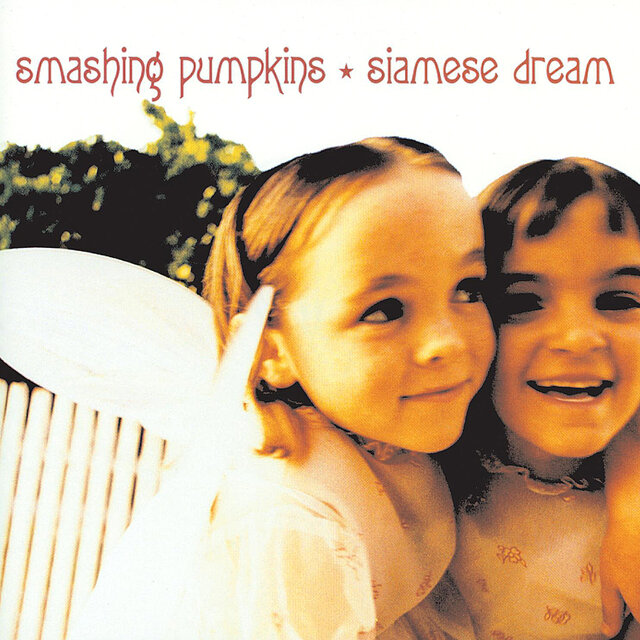
460. The Smashing Pumpkins – Siamese Dream (1993)
In a post-Nevermind landscape, alt-rock bands began feeling the pressure to deliver critically and commercially, and while many would get a hit here or there, few delivered on an album. Billy Corgan’s band did so with their second release, but not without some drama. Drugs, writer’s block, relationship struggles, etc. all nearly derailed Siamese Dream, but Corgan was able to harness the anxieties into a cathartic experience that connected deeply with the Gen-X burnouts of the world and beyond. Opener “Cherub Rock” is a heavy metal-tinged scorcher that upped the ante for guitarists everywhere, while “Today” symbolized the soft-loud sound of ’90s alt-rock and became a minor hit. Corgan’s lyricism is blunt and opaque in equal measure, deftly letting listeners in emotionally without boring them with sentimentality. It’s best represented in the final lines on album standout “Mayonaise” — “I just want to be me / And when I can, I will”.
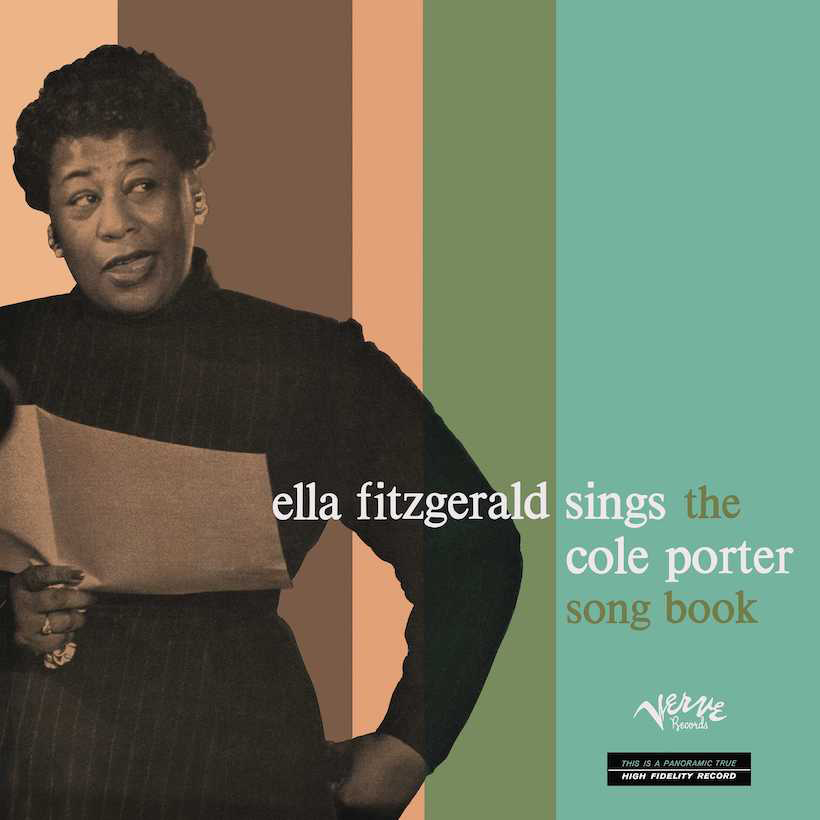
459. Ella Fitzgerald – Ella Fitzgerald Sings the Cole Porter Song Book (1956)
Tracking the first 20+ years of Ella Fitzgerald’s career can take you from the swing era at the Savoy Ballroom in Harlem, to the big band era with Dizzy Gillespie and to the bebop era where her scat singing gained her nationwide attention. Just that artistic journey is a legendary arc in itself, but as albums started to take center stage, Fitzgerald found yet another medium to conquer. In 1956, producer Norman Granz created Verve records specifically for Fitzgerald’s Song Book series. The eight albums Fitzgerald made from ’56-’64 constitute a large swath of the American canon, starting with Cole Porter whose prolific output for Broadway and Hollywood defined the American sound of the ’30s & ’40s. The double album finds Fitzgerald’s voice at its peak, so serene that it feels effortless, as if all these songs were written just for her. Notably of course, all these songs were written for the white stars of the time, as black women onscreen and on stage rarely got their close-up or big musical number. The success of this album not only brought Fitzgerald to her widest audience yet, but it helped black women vocalists earn the respect of audiences and peers alike.
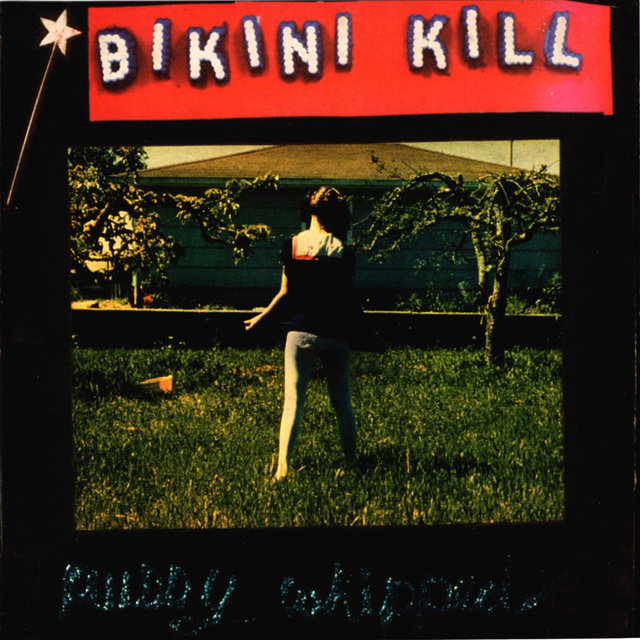
458. Bikini Kill – Pussy Whipped (1993)
Just when punk music starts to feel staid, it finds another angle. The riot-grrrl movement that arose from the Pacific Northwest flipped the machismo stereotypes of angry rock music into third-wave feminist rallying anthems, and Kathleen Hanna’s band kicked the doors wide open. Pussy Whipped was Bikini Kill’s first album but not quite their debut — their first recordings from EPs and a split album would be collected on the equally great The C.D. Version of the First Two Records. The vitriol that Hanna sings with is earned compared to the Johnny Rottens of the world; the catcalling, date rape and constant condescension raises the stakes of everyday life that the white male punks simply don’t live with. What Bikini Kill brought to feminist rock music and to the world feels permanently etched into younger generations’ mentalities — you don’t have to let the world break your spirit or your capacity to make music; you can be the aggressor and turn it into messy loud art.
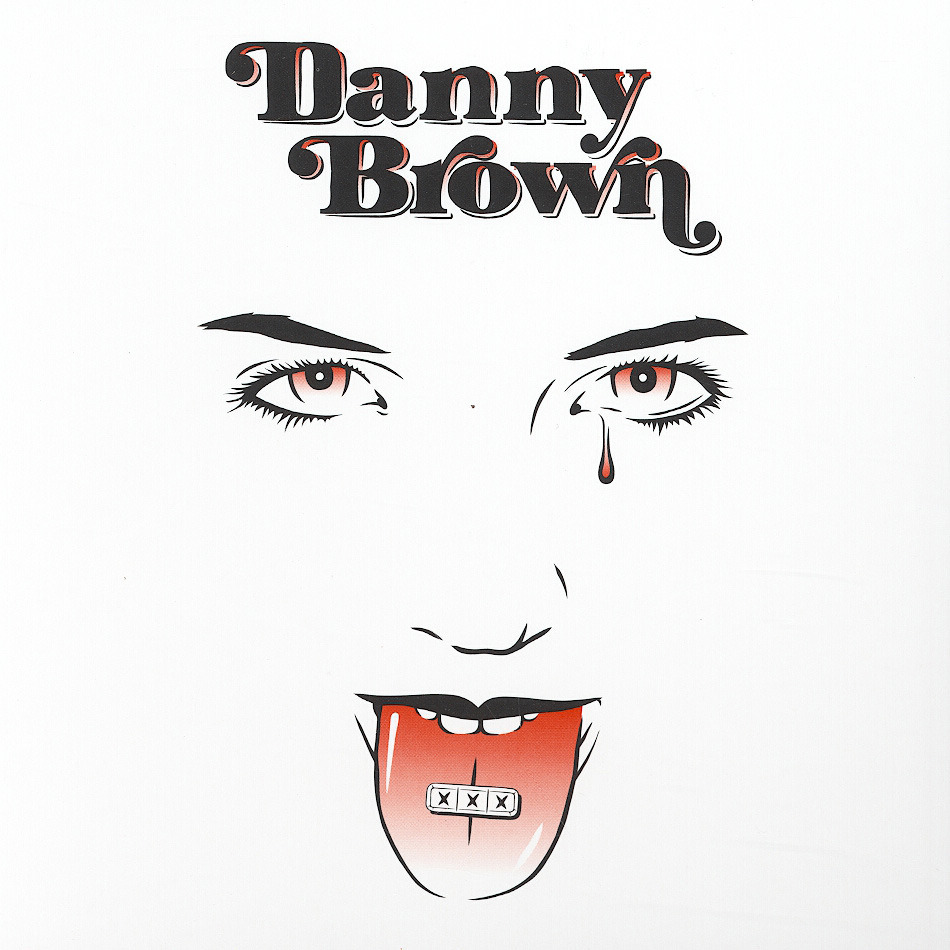
457. Danny Brown – XXX (2011)
Danny Brown’s place in hip-hop history still feels unsettled. He’s never been close to having a hit and has only appeared on the charts in massive posse cuts; he listens to Joy Division seemingly more than what his contemporaries are up to; his nasally vocal register is an immediate turn-off for some listeners. Despite not adhering to the path that almost every other hip-hop legend has followed, he still commands a massive amount of respect from music critics and music nerds alike. That adoration starts with this breakthrough, a mixtape that the Fool’s Gold label believed was not good enough to be an album. Brown has always been an aesthete, obsessing over the production and sound of his records like few of his peers do, but what truly separates XXX in his catalog is the ferocity in his rapping. Every track sees him bring his A game with just two features breaking the flow. Highlights “Monopoly” and “30” still reign as his definitive anthems with the latter being the closing track wondering if his talent will ever be truly recognized.
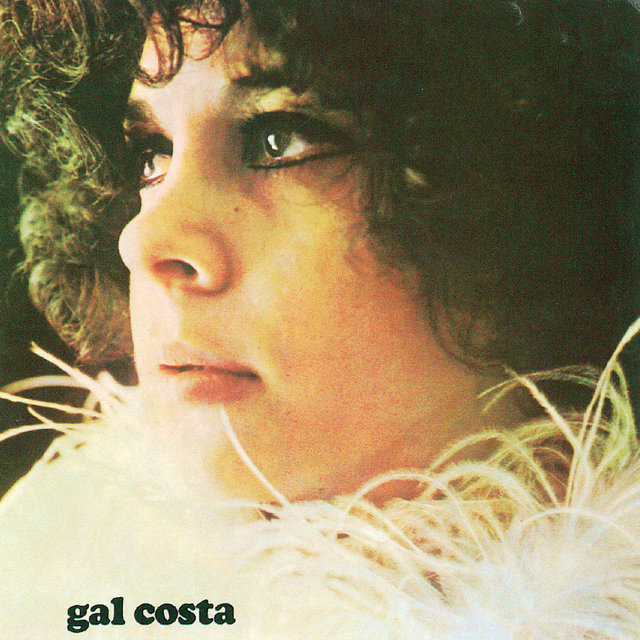
456. Gal Costa – Gal Costa (1969)
In 1968, Brazilian singer-songwriters Caetano Veloso, Gilberto Gil, Tom Zé, Os Mutantes, Gal Costa and others banded together to craft a manifesto album to their movement: Tropicália. It was the meeting place for the popular and the avant-garde, the traditional folk stylings and the psychedelica of US/UK acts. Gal Costa’s captivating performances on that project carried over to her first solo album a year later. From the first seconds of opener “Não Identificado”, it’s clear that the Bossa Nova of artists like João Gilberto were the opening acts to Costa’s vision for Brazilian music. She’s capable of pulling off in equal measure the acoustic traditional stylings of “Saudosismo” and “Baby” as much as the fuzzed-out rock tunes of “Se Você Pensa” and “Lost in the Paradise”. It’s anarchist music that at times could be mistaken for the most radio-ready anthems of the moment. The Tropicália movement disbanded soon after due to government interference and aesthetic evolution, but Gal Costa’s work stands as the apex of this short-lived moment.
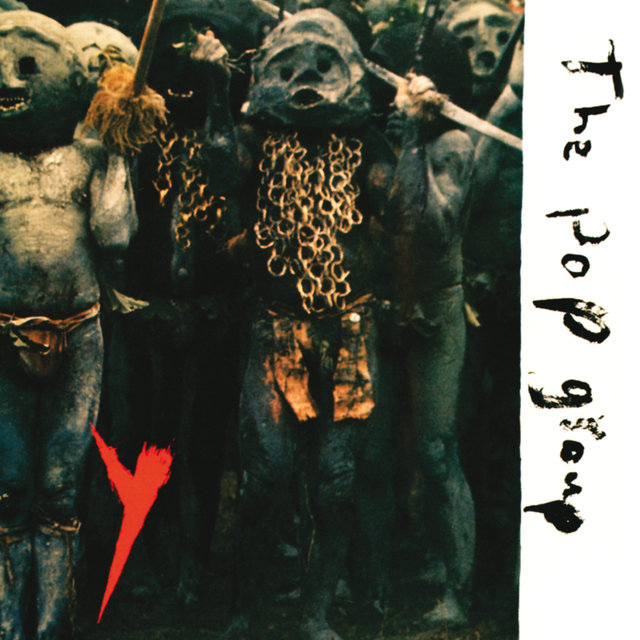
455. The Pop Group – Y (1979)
Few albums on this list are as idiosyncratic as the Pop Group’s debut cult classic. The Bristol punks’ band name is exceedingly tongue-in-cheek as there was not an ounce of commerciality in their aesthetic or how they operated; this is a band that donated the proceeds to their first major tour to Amnesty International. Vocalist Mark Stewart and his bandmates found punk to be a restrictive space with no room for genre exploration, so they just decided to do it themselves. Free jazz saxophone and dub percussion can share the same palette as an MC5-level of guitar feedback. Vocals can be bursting through the mix or buried under all the muck, but the political messaging always makes itself clear. The Pop Group had a short lifespan and not enough of today’s listeners are aware of their existence, but their influence greatly shaped the ’80s indie landscape from Nick Cave to Steve Albini to Trent Reznor.
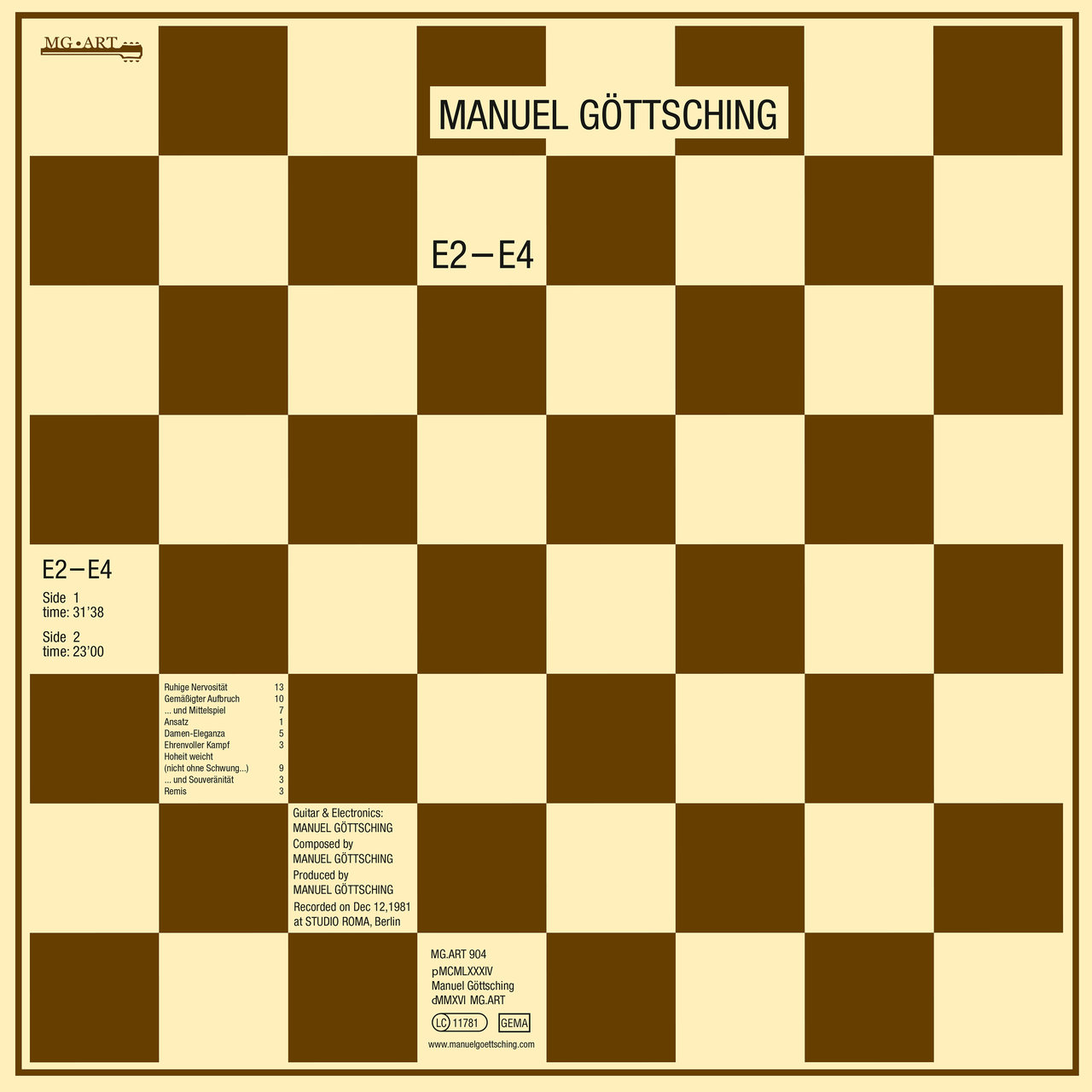
454. Manuel Göttsching – E2-E4 (1984)
Manuel Göttsching’s stamp on the avant-garde was well-established even before he redefined the next forty years of progressive electronica with this release. He started as the founding guitarist for Ash Ra Tempel with Klaus Schulze and pushed krautrock into more minimalist and free jazz spaces. His 1975 album Inventions for Electric Guitar combined the Berlin School approach to electronica with the classic blues guitar playing he grew up with. By E2-E4, he had perfected the formula. The first half features Göttsching utilizing keyboards and sequencers to improvise looping melodies to an alluring and calming effect; the textures are warmer and the layers are more enveloping than much of the Berlin School electronica he’s building off of. Just when the keyboards lull you into comfort, the guitar enters the mix. His long blues solo perfectly interplays with the synths, turning what should be clashing styles into a cathartic blend of Göttsching’s aesthetic obsessions. This album’s influence could be felt in the Detroit clubs of the late-’80s and the rise of ambient techno in the ’90s.
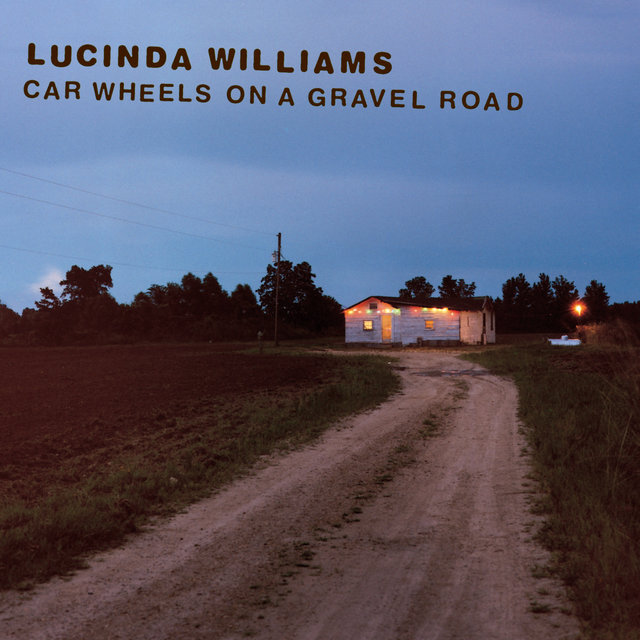
453. Lucinda Williams – Car Wheels on a Gravel Road (1998)
Lucinda Williams is likely nowadays the most highly-regarded name in alt-country, but it took a minute to earn that acclaim. Across her first four albums — including the critically-beloved self-titled 1988 album — Williams had not made the U.S. Billboard top 200 album charts. Her first bit of commercial love was for Mary Chapin Carpenter’s cover of “Passionate Kisses”, which went to number 4 on the country charts and earned Williams a Grammy nomination. Car Wheels… came in the wake of her growing admiration, and it perfectly encapsulated what made her brand of country such a draw to her peers and rock critics alike. While production was meticulous with overdubs and mixing Williams’ vocals to the front, this album came to be seen as the antidote to the ever-growing pop presence in country music (this debate has existed in every era of country but music critics really hated “Achy Breaky Heart”). Williams’ lyrics touch on many stereotypes of folk and country music with backroads and long-lost lovers abound, but her approach and direct unfiltered persona remains singular.
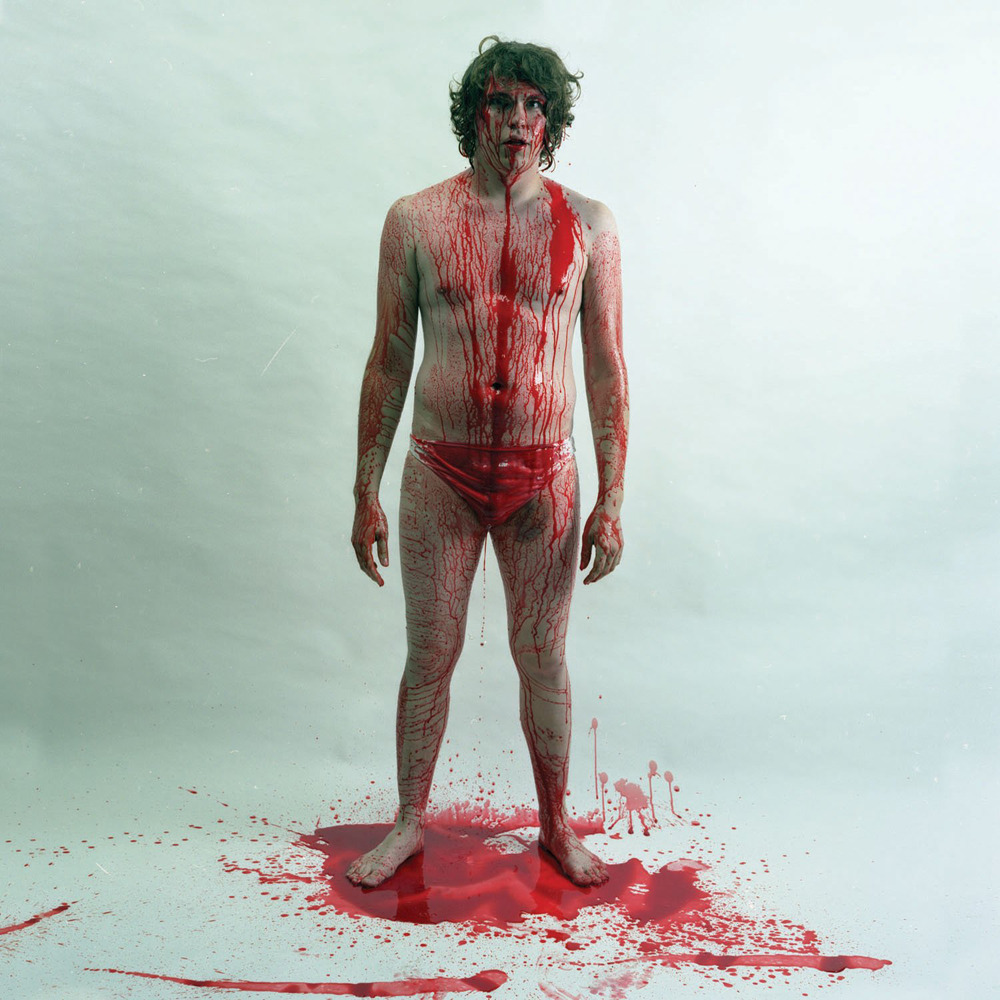
452. Jay Reatard – Blood Visions (2006)
Jay Reatard lived as fast and furious as his music. He started his recording career at age 15 with demos for Goner records. His next decade was a flurry of bands and side projects cementing his status as Memphis’ premier garage punk rocker. His first solo album though is the masterwork that made him an indie rock fascination and still inspires kids in their garages to go for the gusto. Blood Visions blisters through 15 tracks in 29 minutes with Reatard playing all the instruments apart from Alix Brown playing bass on “I See You Standing There”. Every song is infectiously melodic in the Ramones’ way — simple chord structures, often under two minutes and hooks that feel ripped from the early Who or Kinks. Highlights “My Shadow” and “Oh It’s Such a Shame” feel like punk standards at this point, necessary tunes in any punk guitarist’s repertoire. Reatard would only release one more album before passing away from cocaine toxicity in 2010, but his legacy is fully cemented to all who are aware.
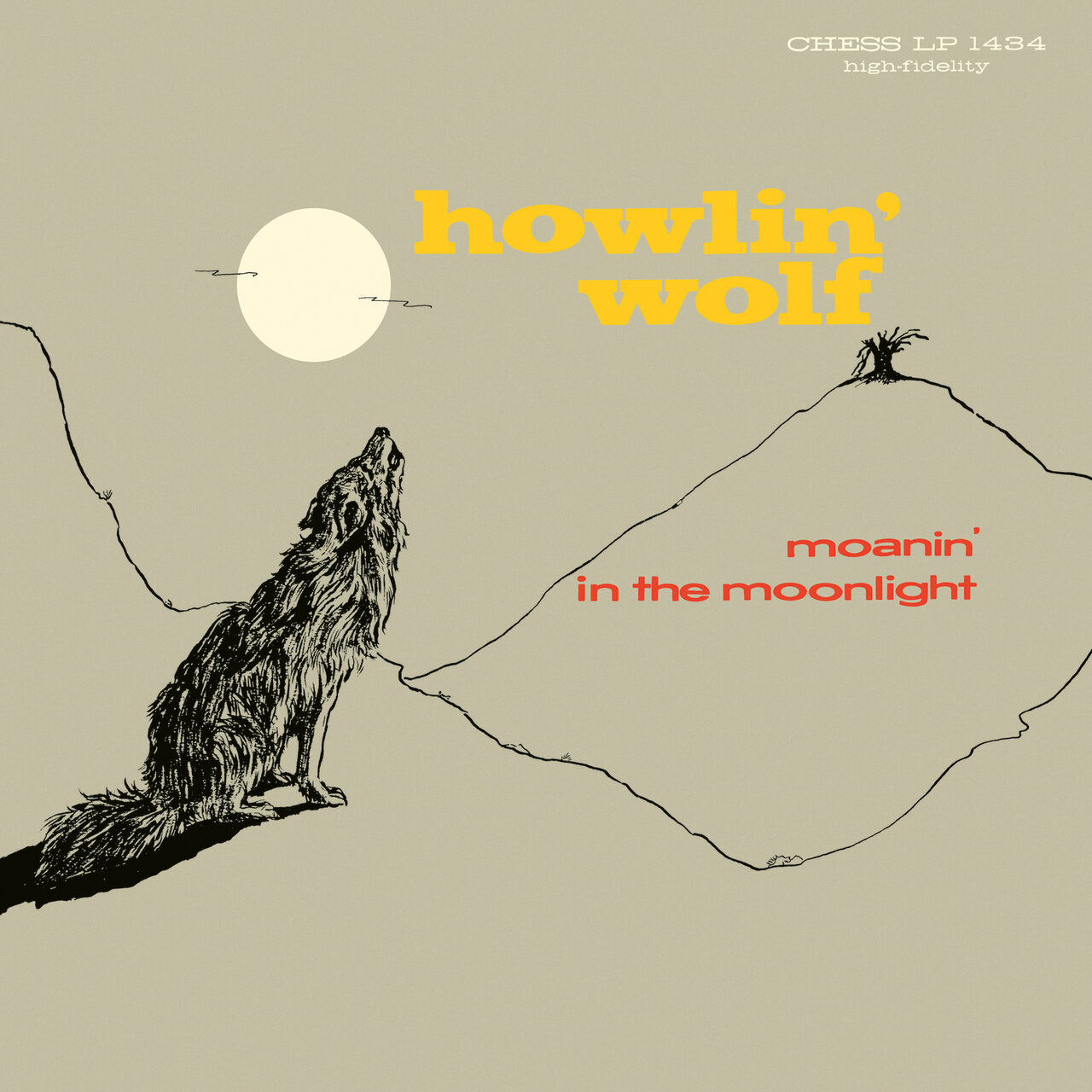
451. Howlin’ Wolf – Moanin’ in the Moonlight (1959)
With the utmost respect to Muddy Waters and Robert Johnson, to me, the quintessential blues sound belongs to Howlin’ Wolf. Few artists of any genre have sung with his zeal with each word curdling in his throat; it sounds painful, like he has a cursed vocal box and is forced to sing. Wolf’s birthname was Chester Burnett, and he learned the Delta blues under Charley Patton, one of the most pivotal figures in American rock. He was discovered by Ike Turner in ’51 and signed to Chess records where he subsequently moved to Chicago. His aggressive wailing Delta style combined with the electric backbeat of Chicago blues made for a perfect combination. His first album would not release until 1959 which was essentially a compilation of some of his recordings from ’51-’58. The evolution of ’50s blues is all contained here with the early primal single of “Moanin’ at Midnight” to the Willie Dixon-penned radio-ready tunes like “Evil (Is Going On)”. Also here is “Smokestack Lightnin'”, one of the most covered and plagiarized songs in rock history, but nobody has made it sing quite like Wolf.

