
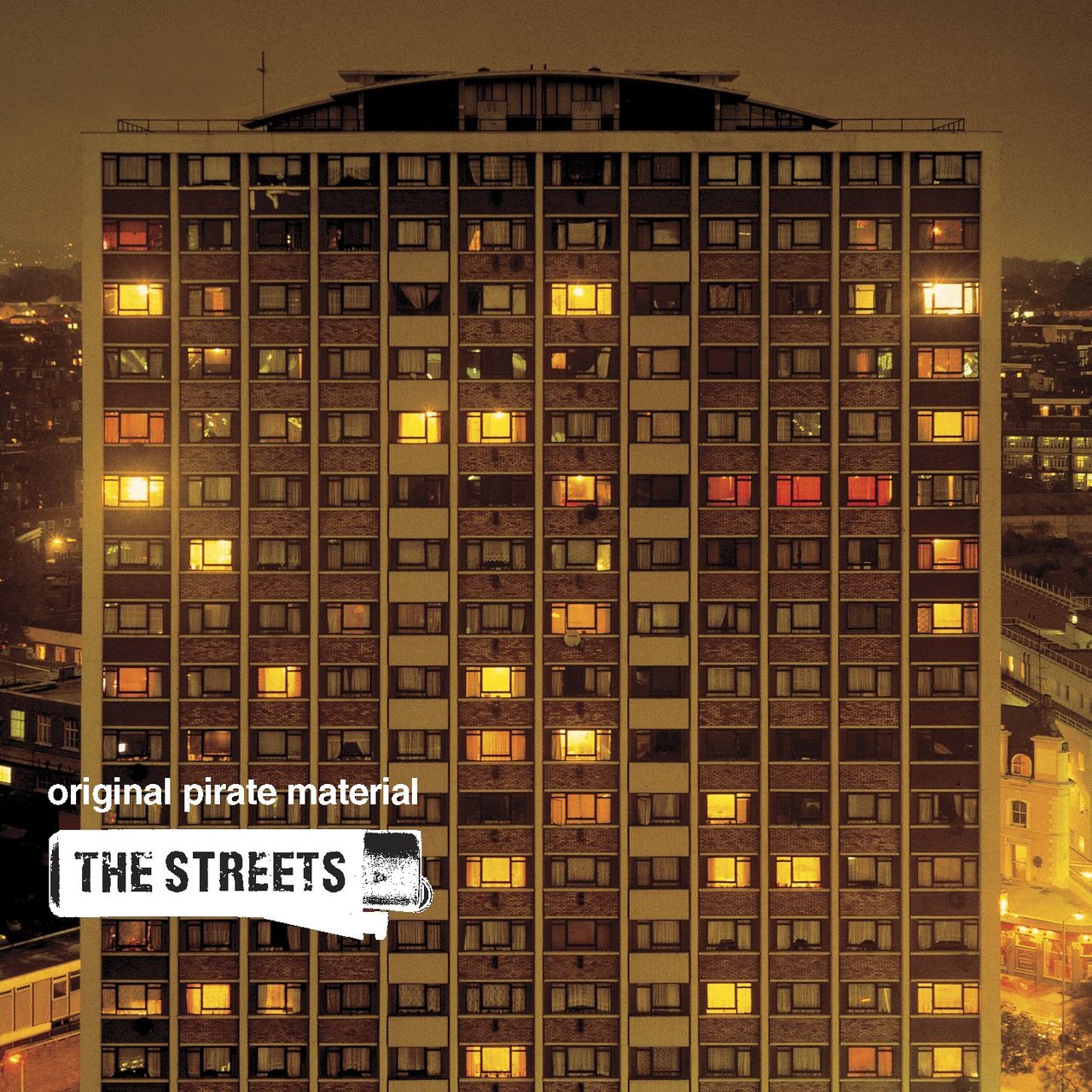
425. The Streets – Original Pirate Material (2002)
To grossly oversimplify it, UK’s approach to hip-hop in the ’80s & ’90s was often parodic or chased the coattails of every American trend. Of course, some of the best rappers were born in the UK (Slick Rick, MF DOOM, etc.) but you could hardly tell on record. It took Mike Skinner’s solo project to truly craft a distinct UK hip-hop sound that then became respected back here in America. The rising UK garage electronic scene was healthy at the turn of the century, and Skinner was the first to try and rap over the beats like Nas or Wu-Tang Clan would. His first single “Has It Come to This?” gained radio traction, and the subsequent album Original Pirate Material delivered more radio-ready UK garage hip-hop. Skinner delivers lines with no capitulation to American audiences with his dry south London accent sounding more like it belongs in a Guy Ritchie movie than in hip-hop. His next album would be even more popular, but it’s his debut that continues to inspire the UK grime scene and underground hip-hop everywhere.
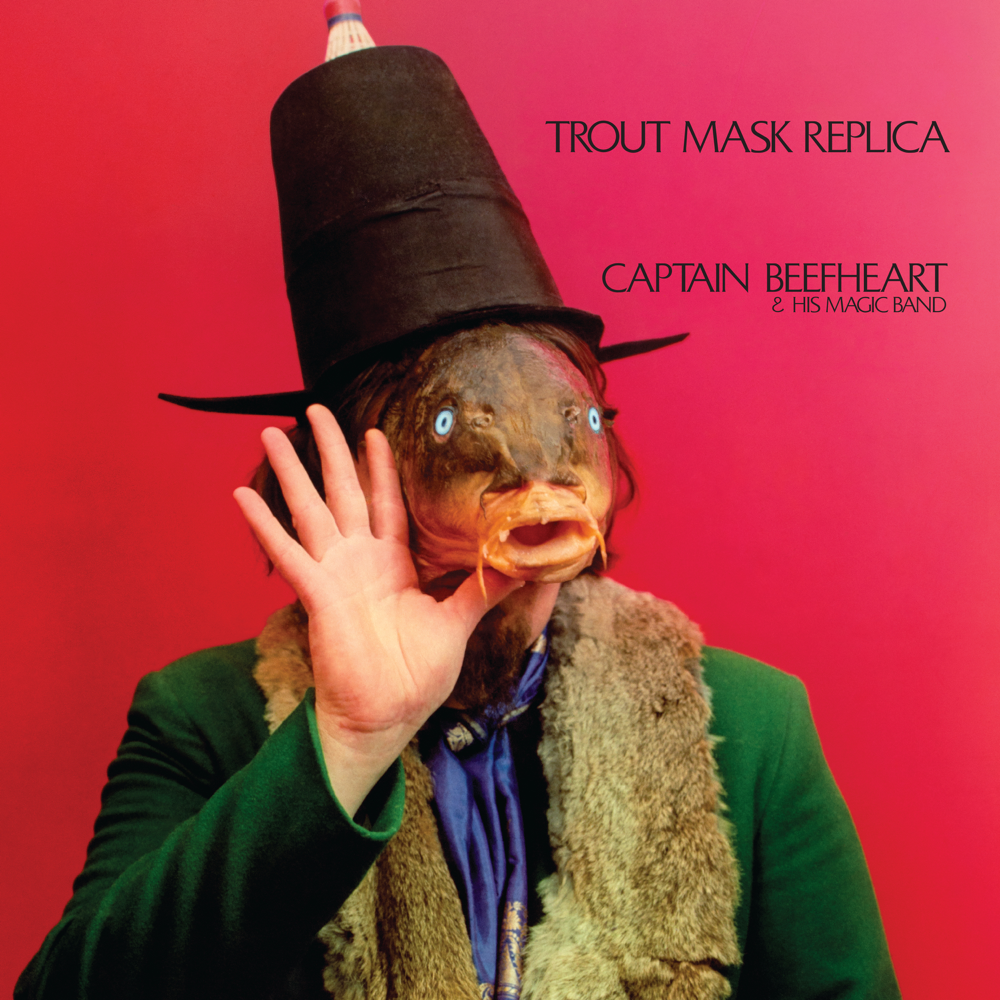
424. Captain Beefheart & His Magic Band – Trout Mask Replica (1969)
Not a single aspect of this album — from its fish-face cover to the cultlike recording to the finished product — is what anyone would describe as “normal”. Captain Beefheart (AKA Don Van Vliet) had not exactly been making pop music with his first two albums, but Trout Mask Replica certainly abandoned all notions of commerciality and blues rock tradition. Based on how it was recorded, this was the only possible music that could be achieved. It was an 8 month process with Van Vliet turning into a Manson-like figure to get all the band members to buy in; they were reportedly living off a cup of soybeans daily. Produced by Frank Zappa (of course), there’s a goofy carnality to Beefheart’s version of the blues here; none of the instruments seem like they’re playing the same song. Trout Mask Replica is a 70-minute glimpse into blues rock psychosis, with minds fully aware of how this music should work but painstakingly carving it to shreds.
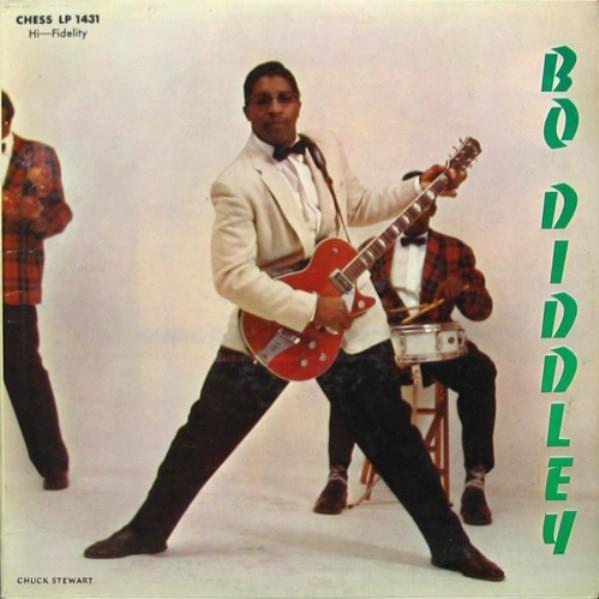
423. Bo Diddley – Bo Diddley (1958)
Nobody really knows where the name Bo Diddley came from — whether it was an insult from his peers (“diddley squat”) or came from a local comedian or was an invention by the Chess record label (most likely), the name is now simply synonymous with the blues, or more pointedly, the syncopated clave rhythm found through his music. The ‘Bo Diddley Beat’ is one of the most important rhythms in popular music and was a common rhythm for Afro-Cuban music. To understand its impact, listen to the first song on this album — also titled “Bo Diddley” — and then go listen to, say, Tom Petty’s “American Girl” or The Smiths’ “How Soon Is Now?” or George Michael’s “Faith”. More than just influential though, Diddley’s music holds up with that crop as well. His version of the blues was as infectious as it was dingy, with exciting guitar interplay that inspired every rocker in his wake.
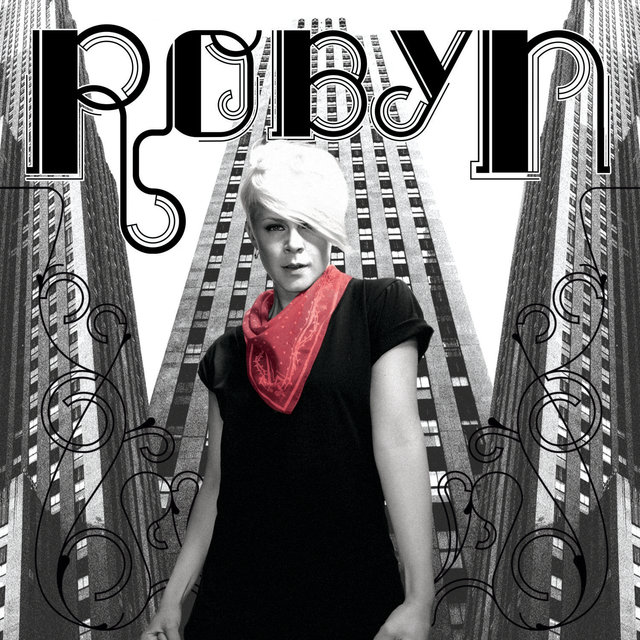
422. Robyn – Robyn (International Edition) (2007)
Robyn’s stature has grown exponentially over my lifetime, mainly due to the ever-growing popularity of “Dancing on My Own”, but in some circles, she was already an indie pop legend. Robyn’s discography was spotty across her first three albums, and she left Jive records over artistic disagreement. She was never going to be Sweden’s Christina Aguilera; she needed more artistic freedom. With her self-titled fourth album now under her own label Konichiwa, she felt inspired by the Knife and aligned with producer Klas Åhlund — who she continues to work with — to craft a zany-yet-earnest version of pop music that put American radio to shame. Lead single “Be Mine!” was the best cello-lead pop song since “I Am the Walrus” and catapulted Robyn to the top of Sweden’s album charts. As Robyn was released internationally, “With Every Heartbeat” was added turning into a number one UK hit; it’s every bit as inspiring and heartbreaking as “Dancing on My Own” but has made no impact in the US. Body Talk would receive more commercial and critical acclaim, but Robyn is where the reinvention happened.
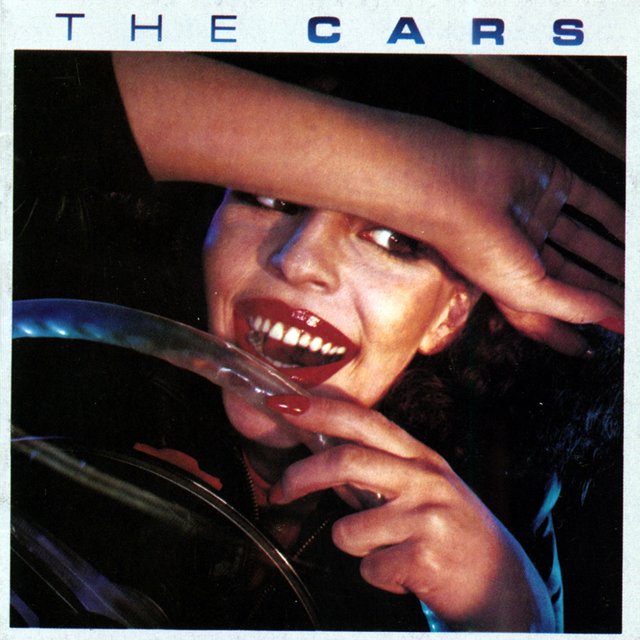
421. The Cars – The Cars (1978)
Ever since the “Just What I Needed” demo started picking up steam on Boston radio, The Cars have been a steady beloved presence in American music. It may be impossible to find someone who has major grievances with the band. They carry a Northeastern swagger like the Velvet Underground and the punk acts of CBGB but were never afraid of making purely pop music or embracing the early days of MTV. The self-titled debut remains the most lasting legacy for the band with the 1-2-3 punch of “Good Times Roll”, “My Best Friend’s Girl” and “Just What I Needed” being all fixtures of classic rock/new wave playlists. If you’ve never even intentionally listened to the album, chances are you’ve heard over half of it on the radio. The melodic and instrumentation choices can sound so ho-hum by today’s standards because so much of ’80s American rock wanted to be them, but the Cars remained the ones with the perfect original formula.

420. Big Thief – Dragon New Warm Mountain I Believe in You (2022)
The band with the greatest claim to being the best indie rock band of the last decade is Brooklyn’s Big Thief. The folksy band leans on Adrianne Lenker’s stunning vocals and lyrics, but they’ve never been afraid to crank the amps up. 2019 saw them fully arrive with two great albums in U.F.O.F. and Two Hands, but their grandest statement came next with the 80-minute Dragon New Warm Mountain I Believe in You. The production concept was to travel to four distinct locations in the US with four different engineers; the result was a breadth of 45 tracks with distinct sonic palettes that had to be whittled down to 20. The disparate influences still shine through — the rollicking freak folk of “Time Escaping” can lead to the pure country of “Spud Infinity”; the spacious title track gives way to the lovely campfire ballad of “Sparrow”. Few bands could pull off this venture with such talent and grace.
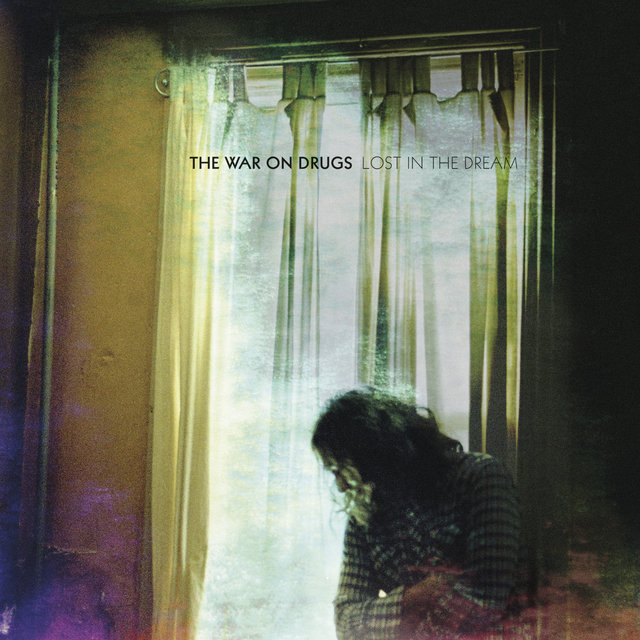
419. The War on Drugs – Lost in the Dream (2014)
Heartland rock peaked in popularity with Born in the U.S.A. and Mellencamp’s heyday, but thirty years later, Adam Granduciel and co. turned the genre into an immaculate art piece. For the War on Drugs, the deep history of American rock music is the jumping off point for an ambient-yet-melodious distillation that wraps around their listeners. For their third album, the vocals are more front and center than on their previous albums, but the all-enveloping drone of guitar, synth and horns can be the true star of the show. Recorded and produced in his home studio, Graduciel took sole ownership of the band and dove more personal into his depression and paranoia in the lyrics. “Red Eyes” could’ve been an AOR radio mainstay in a different era with its cathartic chorus. “An Ocean in Between the Waves” remains the centerpiece with Granduciel’s naturalistic lonely lyrics leading into one of the best guitar solo/outros of the 21st century.
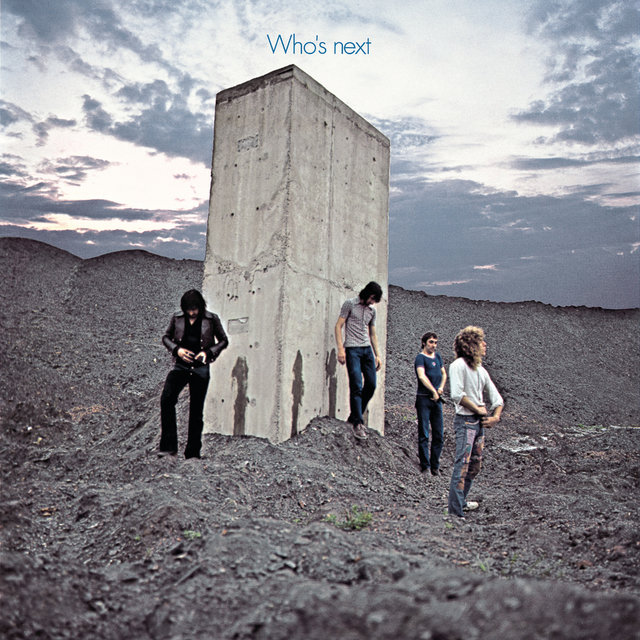
418. The Who – Who’s Next (1971)
The Who’s fifth studio album is the moment where their grandiosity was matched in its songwriting craft. The Who Sell Out and Tommy feature some excellent songs drowned in a heap of pretention, but Who’s Next puts its songs first despite how hard Townshend tried to turn it into yet another rock opera. The album opens with the boldest sonic move that the Who ever made — a synth-processed Lowrey organ that was painstakingly edited. “Baba O’Riley” — referencing Townshend’s guru Meher Baba and the composer Terry Riley — usurped “My Generation” as the band’s definitive anthem for the ‘teenage wasteland’ they represented. Traces of the abandoned Lifehouse project remain throughout with references to fascist suppression of music (especially on “The Song Is Over”) but knowing about it rarely affects your listen. The final two tracks are some of the Who’s most successful and display the band’s range; “Behind Blue Eyes” is a folk ballad that explodes into a full-fledged rock anthem, while “Won’t Get Fooled Again” is one of the most epic rock songs ever made in terms of scale, emotion and lyrics on the idea of complete revolution.
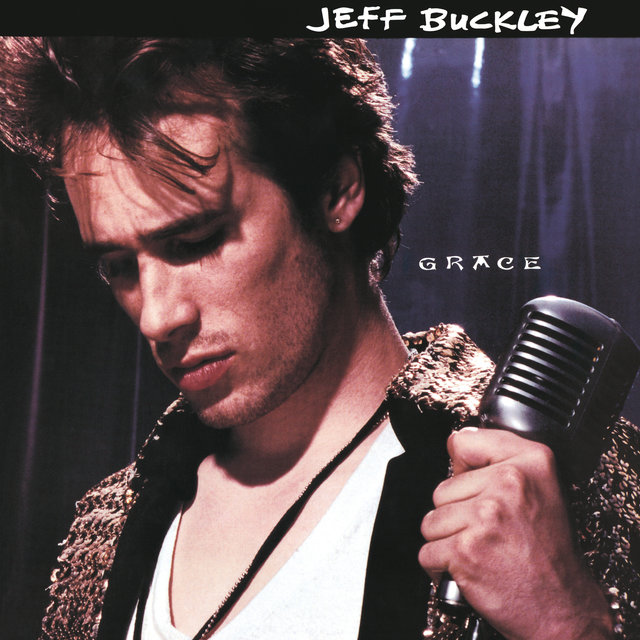
417. Jeff Buckley – Grace (1994)
Scott Morehead only met his father Tim Buckley once at a very young age, but Tim’s music legacy and early passing affected the kid enough to go back to his original name: Jeff Buckley. Despite having one of the most serene and influential voices of the ’90s, Buckley started as a session guitarist only occasionally providing baking vocals. With the help of his father’s former manager, Buckley recorded his first demos of original songs including “Last Goodbye”. Signed to Columbia records and old enough to have accrued a massive range of influences from Joni Mitchell to Led Zeppelin to Bad Brains, Buckley recorded his first album — the only one released in his lifetime. With its jazzy art rock atmosphere, Grace never fit into the grungy alt-rock environment and sold poorly despite some critical praise. After his unexpected death in ’97, artists as big as Bob Dylan and Jimmy Page began to sing his praises, and love for the album has steadily grown since. His beautiful rendition of “Hallelujah” has acted as an entry point to the complex folk rock found around it.
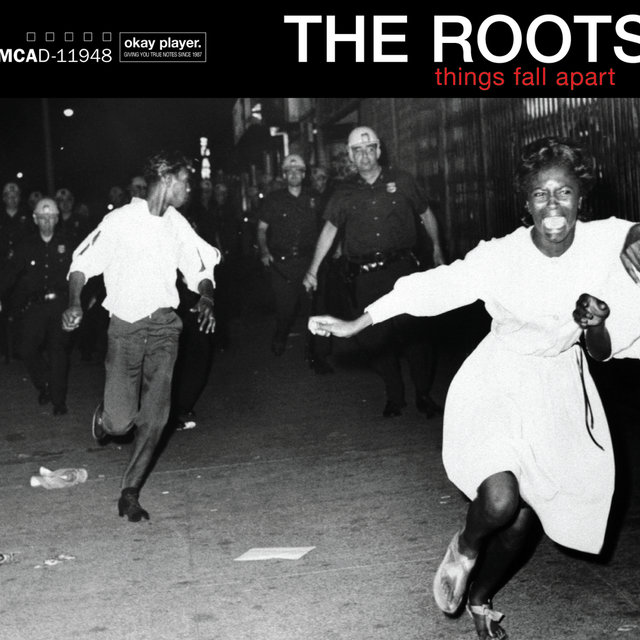
416. The Roots – Things Fall Apart (1999)
Now more popularly-known as Jimmy Fallon’s house band, the Roots were first known as hip-hop’s greatest band. Their career before the late night stage is massive and still underappreciated apart from their highly-regarded fourth album Things Fall Apart. It came at a critical point for hip-hop and R&B as recording at Electric Lady studios coincided with D’Angelo’s Voodoo and Erykah Badu’s Baduizm, which both brought the live instrumentation style of the ’70s with a futuristic anti-commercial mindset. Questlove provided the backbeat to much of it, steering the musical direction of alt-hip hop in the process. Things Fall Apart is sobering socially-conscious music, standing in stark contrast to the Diddy-led party atmosphere of commercial rap music at the time. The album flows immaculately incorporating features from DJ Jazzy Jeff, Mos Def, Common and Eve without much dissonance. Black Thought’s vocal style peaked here with an intelligent dense style that recalled the likes of Rakim and KRS-One.

415. SZA – SOS (2022)
After just being relieved to find out that SZA would not have a sophomore slump with SOS, we’re now coming around to see the potentially immense legacy of this album. SOS refused to fade away; it became the first album by a woman to stay in the top 10 of the Billboard charts for 100 weeks — not Taylor Swift, not Adele, not Beyoncé. The album’s success was deserved and came about naturally on the backs of incredible singles: “Kill Bill”, “Snooze” and “Good Days”. Even with a litany of producers and guests as varied as Phoebe Bridgers and Don Toliver, SOS only ever sounds like SZA — a blend of acoustic and digital R&B sounds, perfectly balancing ballads and bangers sometimes within the same song. With an established sound that’s so distinct even within R&B and an apparent inability to misfire, SZA is still on the rise.
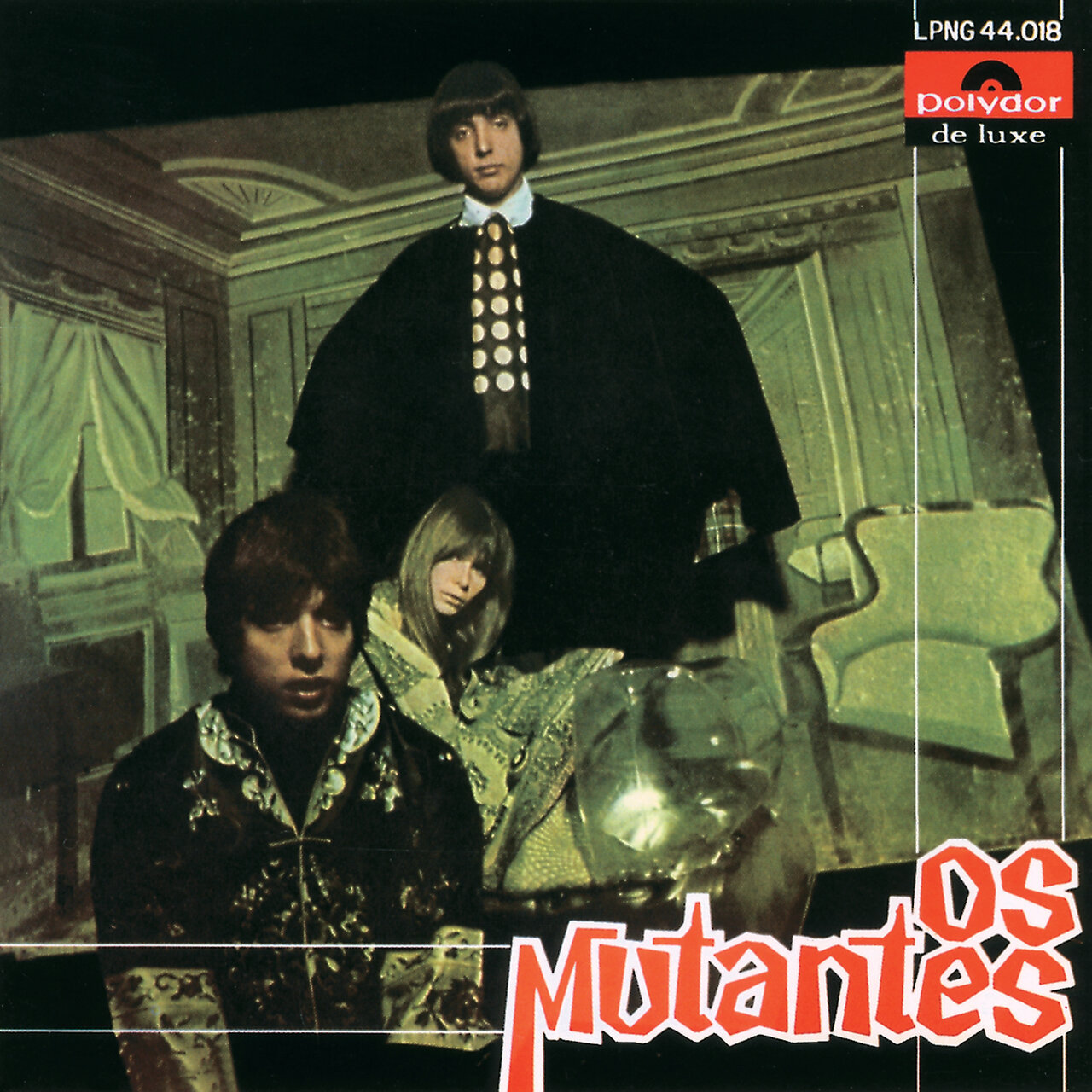
414. Os Mutantes – Os Mutantes (1968)
Brazilian psychedelic rock is defined by what Os Mutantes accomplished during their creative peak in the ’60s/’70s. More influenced by American and British music than their peers, Os Mutantes blended traditional Brazilian music styles with the works of British psych rock acts and the folksy pop of California. With their revolutionary debut album, the contrasting influences merge for a new form of music not happening anywhere else in the world. “A Minha Menina” is a tropicália song with an ever-churning electric guitar riff that lodges in your head on first listen. Songs by the Mamas and the Papas and Françoise Hardy are covered respectfully but with a new avant-garde edge that folded entire genres into the broad Mutantes umbrella. The band recorded with reckless abandon against the rules of established genre and proper technique that is still exciting almost 60 years later.
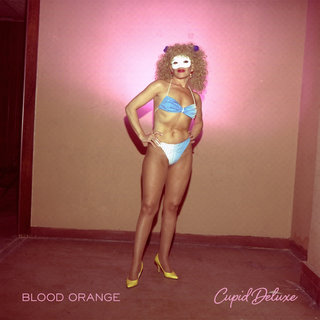
413. Blood Orange – Cupid Deluxe (2013)
In 2012, Dev Hynes produced two of the most exciting pop singles of the 21st century with Solange’s “Losing You” and Sky Ferreira’s “Everything Is Embarrassing”; the next year, he would release an album equally worthy of such praise. Cupid Deluxe is incredibly lush indie pop music inspired by ’80s synth funk, sophisti-pop and the chillwave electronica scene that proliferated early ’10s indie culture. Working with Samantha Urbani and Caroline Polachek as his contrasting muses, Hynes finds pop bliss with sultry vocals and getting the most out of every instrument he chooses, whether saxophone on “Chosen” or guitar on “Uncle ACE”. The second half even brings in Despot and Skepta for Hynes’ unique brand of hip-hop. Flying under the radar on initial release, Cupid Deluxe has slowly built a legacy, acting as the moment Dev Hynes found his stride and should be seen as the gold standard for indie pop in recent years.
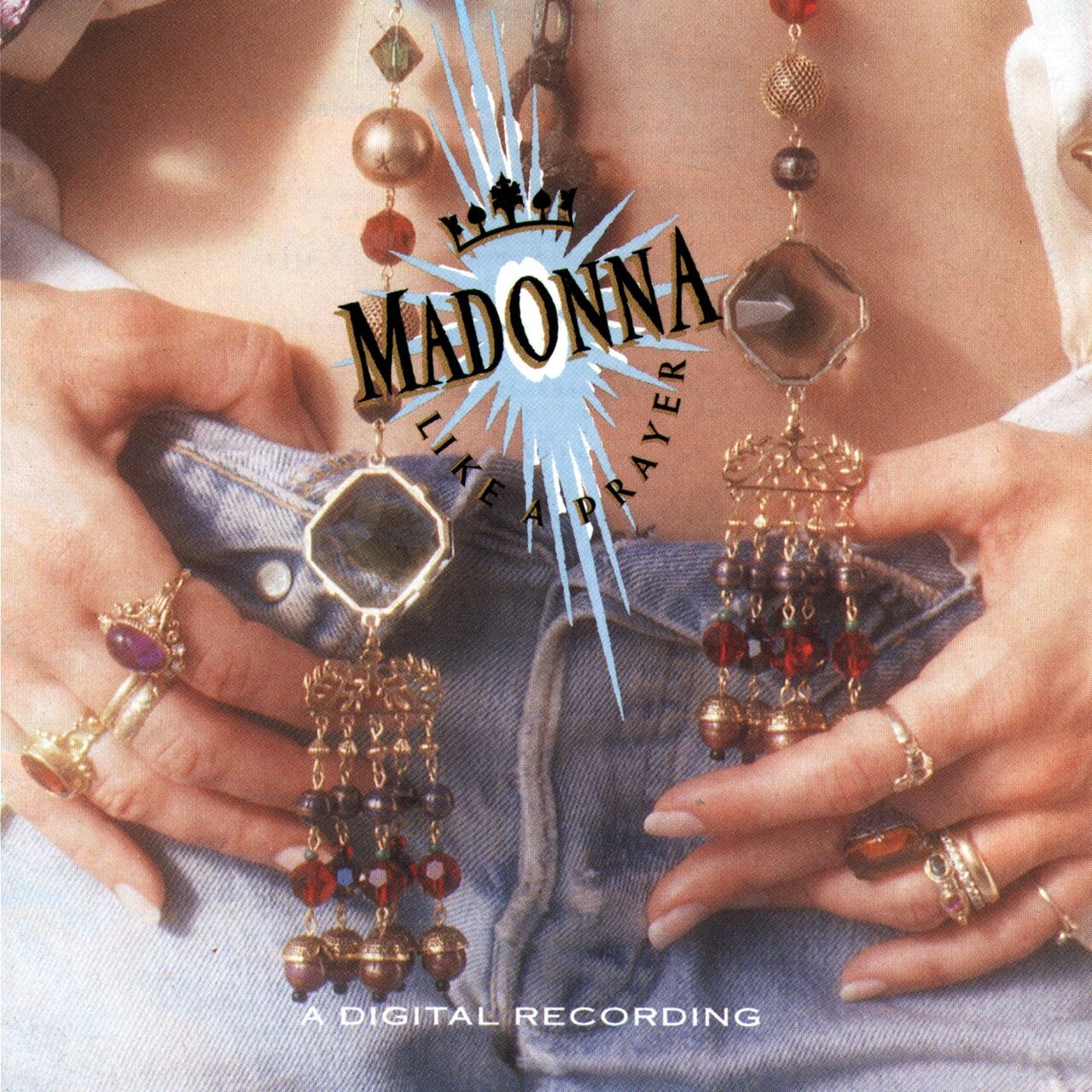
412. Madonna – Like a Prayer (1989)
Music critics would’ve been fools to disregard Madonna as a vapid pop star in the ’80s, but with the introspective Like a Prayer, there was officially no debate on her artistic merit. Entering her 30s, filing for divorce from Sean Penn and navigating a fledgling acting career would’ve sent most musicians into an anti-creative despair, but Madonna lived by a different creed: always adapt to change and make it pop. While she still worked with the same producers and would top the charts with ease, the glam excess of her early work had given way to a more somber and insightful version of a pop diva. The title track remains maybe her defining moment, where her success, artistic power and controversies all come to a head. It’s hard to ever say who the real Madonna is — where all the personas fade and the stresses and appeals of being a celebrity don’t influence her every move — but Like a Prayer seems like the closest we’ve gotten to her true essence from which she would continually be measured against in her illustrious career.
411. Giorgio Moroder – From Here to Eternity (1977)
The Father of Disco’s influence over the last 50 years of music cannot be understated, bringing Euro disco to the clubs of New York and sparking an electronica/synth pop revolution in the ’80s. Not only was he ahead of the curve, he was turning the wheel for everyone else. Despite all the influence and copycats, his own music is still strange and doesn’t exactly appeal to today’s audiences. His greatest album is this high-BPM metallic disco suite that essentially behaves like Trans-Europe Express on cocaine. It had mild commercial success upon release, but looking at today’s streaming numbers, the album is essentially all-but-forgotten. The music is dated but only in the most positive use of that term — nobody would use these drum machines, synth sounds or vocoder effects in today’s electronica or disco-inspired music so it remains a wondrous time capsule of ’70s aesthetics. Daft Punk made an ode to him on their last album, but many more acts should share in their gratitude for Giorgio.
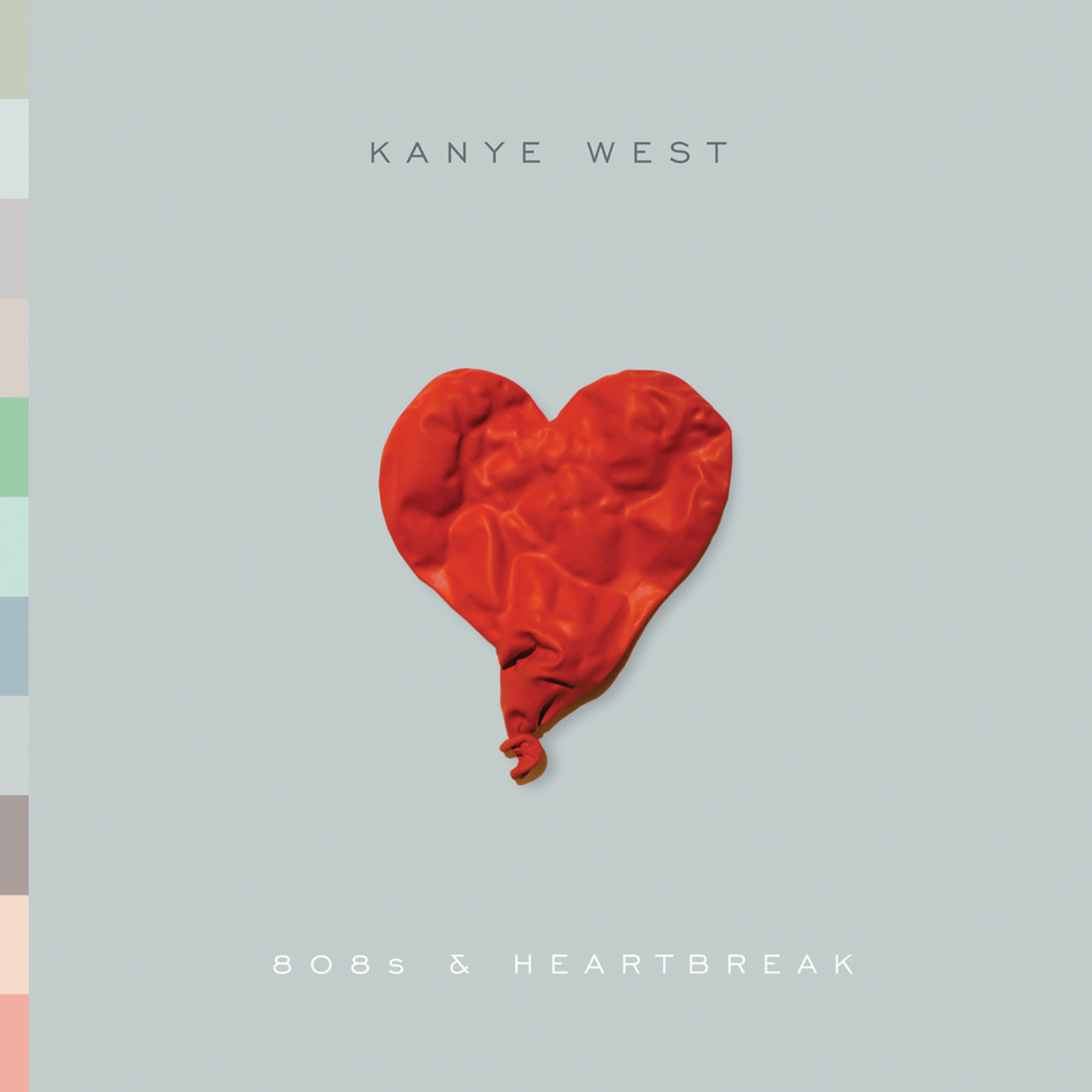
410. Kanye West – 808s & Heartbreak (2008)
Kanye’s fourth album could’ve been his breaking point. Following the shocking death of his mother and breakup with his fiancé, West had no more passion to be the boisterous pop rap poster boy that he had excelled at across his first three albums. He embraced minimalist beats and Auto-tune vocal processing to access a more earnest heartfelt persona confronting deep loneliness and depression. Artists of his status had evolved before, but few had gone out on such a limb, reshaping pop radio for the next two decades in the process. 808s & Heartbreak startled many critics on initial release, but radio surprisingly embraced it. “Love Lockdown” and “Heartless” were both top 5 hits, bringing skeletal electronica to the club scene like never before. Many proclaim this moment in Kanye’s life as the beginning of the ‘end’, but this album’s revolutionary aesthetic is better viewed as proof he could once turn his strife into era-defining art.
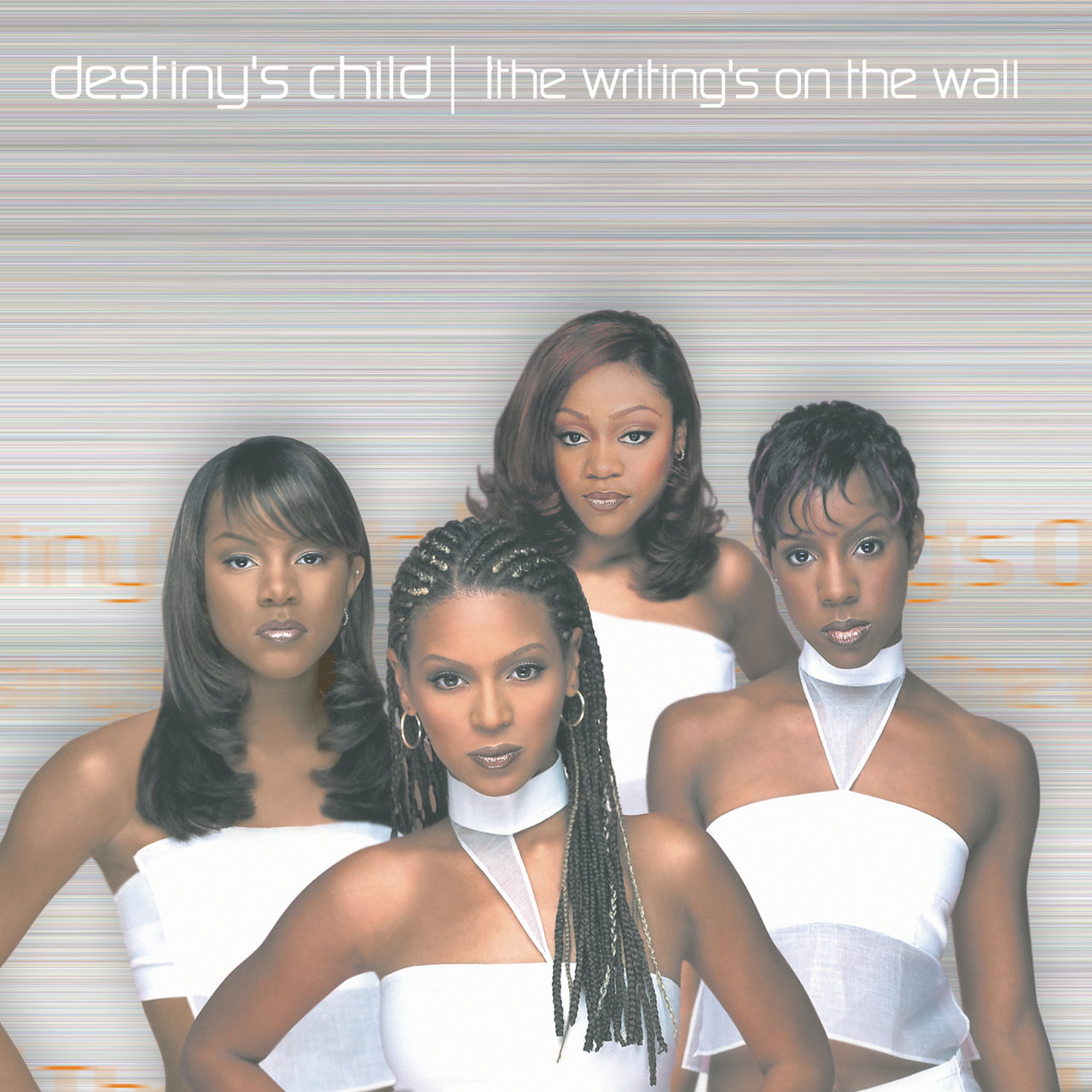
409. Destiny’s Child – The Writing’s on the Wall (1999)
Despite not being their debut album, The Writing’s on the Wall has become synonymous with the group’s breakthrough, the further merging of rap and R&B and the introduction of Beyoncé to the world. Their first album was a mild success, but as soon as the staccato beat and jittery melodies of lead single “Bills, Bills, Bills” climbed the Billboard charts to number one, America’s most popular girl group had arrived. In fact, the four singles off this album constitute possibly the greatest argument for the TRL-ification of pop music at the turn of the century. With production contributions from some unsung heroes of late-’90s radio — Kevin Briggs and Rodney Perkins — this album is a one-stop shop for club-ready R&B. Beyoncé’s unmatched gifts for balancing ballads like “Tempation” or the bounce of “Jumpin’ Jumpin'” was well-apparent and proved that her solo work could be just as rewarding. The entire arc of 21st century pop and R&B is defined in part by these tunes.
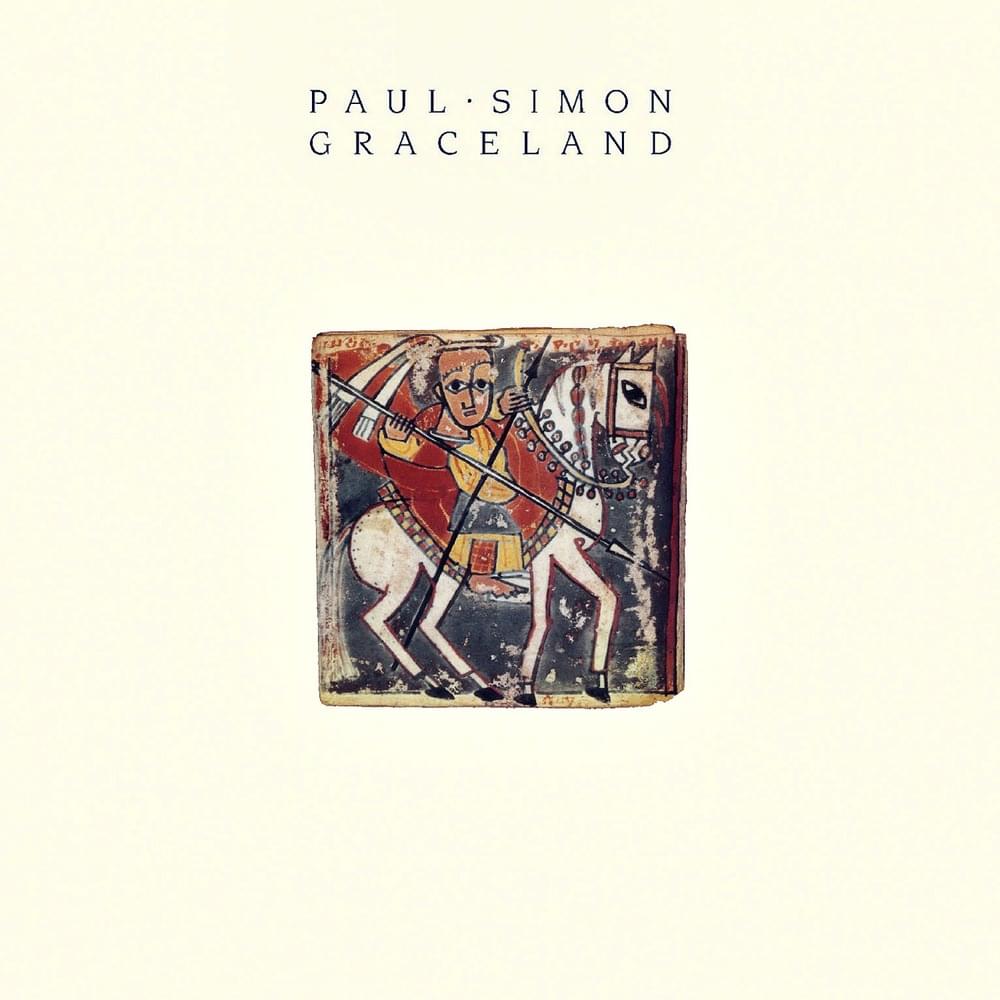
408. Paul Simon – Graceland (1986)
In the two decades following Simon & Garfunkel’s success, Paul Simon had watched his peers fail to navigate the ever-changing American music scene, whether by falling into obscurity or worse, not even living to see the ’80s. Simon seemed fated to be a has-been following the commercial failure of 1983’s Hearts and Bones and his struggling relationships with both Carrie Fisher and Art Garfunkel added to the struggles. However, the greatest musical legends know how to adapt with the times better than the rest, and when Simon started listening to mbaqanga — South African street music — his creative blood started flowing once more. Controversially recording in South Africa during apartheid, Simon would jam with many of the members of acts he had been listening to, while later writing the lyrics in New York. The final result is a singular experience — a merging of Simon’s beautifully-melancholic songwriting with the jubilant rockabilly of mbaqanga. Critics and audiences embraced it fully, making it one of the best-selling albums of the ’80s and cementing Paul Simon as an essential American voice across multiple generations.
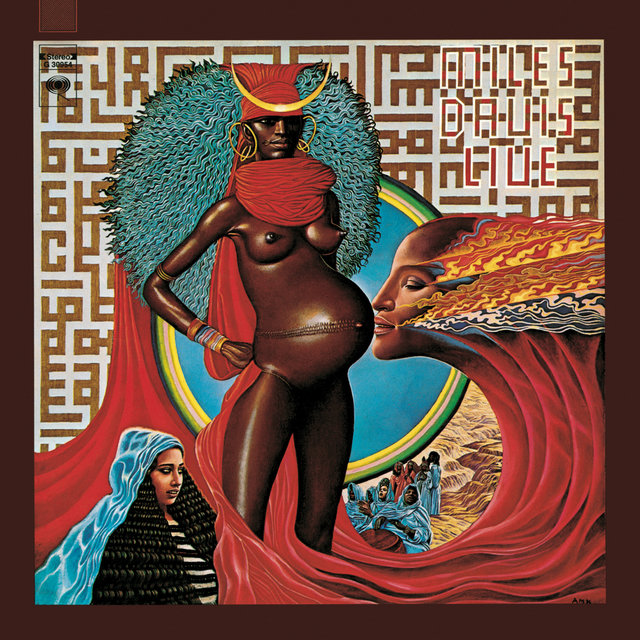
407. Miles Davis – Live-Evil (1971)
’70s Miles Davis is its own genre. A mix of live and studio recordings, Live-Evil best personifies this tumultuous final stage of Davis’ creative peak. Jazz musicians were pressured to include rock elements at this point, but Davis utilized the guitar for sounds that stretched far beyond both genres. John McLaughlin’s guitar is heavy, screeching — bordering upon unpleasant to listeners not attuned to Davis’ sprawling vision. Live-Evil is dense, long music, but its complexity, scale and immense beauty makes it a jazz classic.
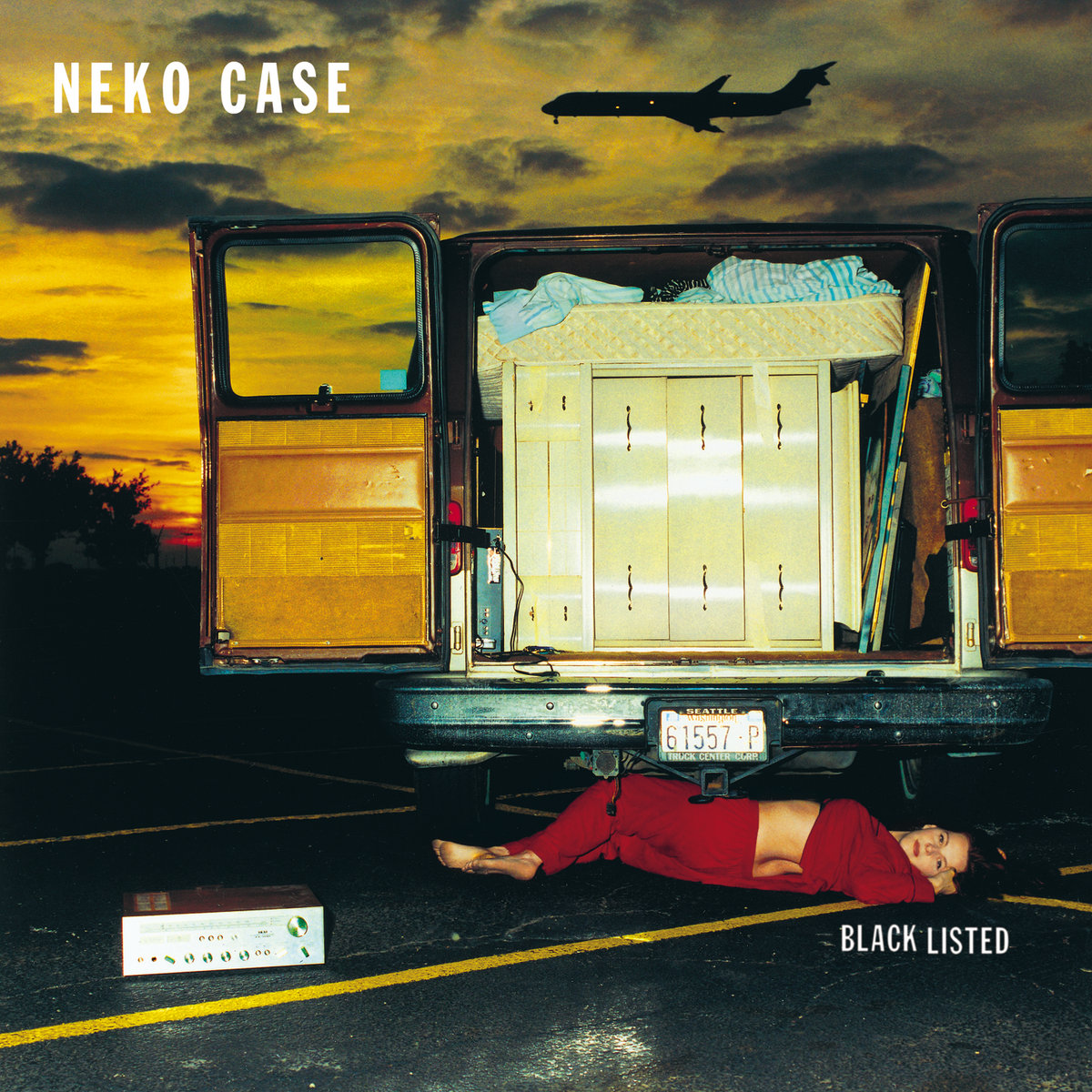
406. Neko Case – Blacklisted (2002)
Following the New Pornographers’ indie breakout with Mass Romantic, singer-songwriter Neko Case went right back to work for her third studio album. Unlike the New Pornographers and her bandmate Dan Bejar (Destroyer), Case made alternative country with a classical gravitas that makes her best work have a timeless effortless quality. Blacklisted is the most accessible of her work, loaded with sharp poetic lines and melodies for days.
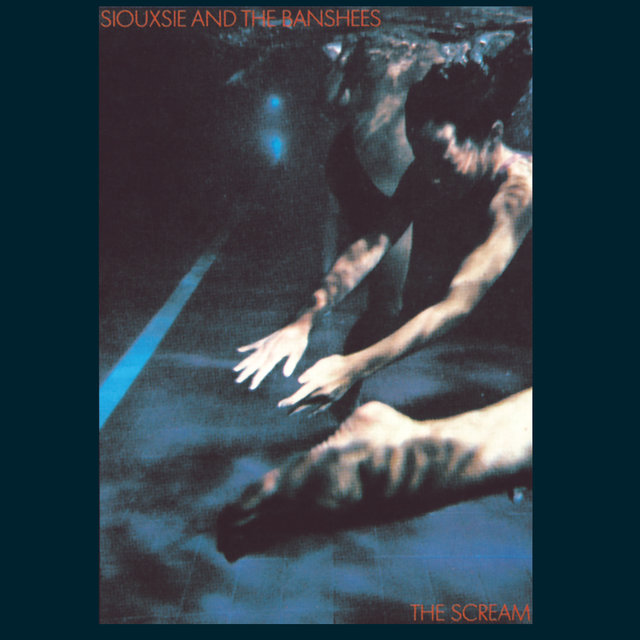
405. Siouxsie & the Banshees – The Scream (1978)
Before the debut albums from the Cure and Joy Division came The Scream, Siouxsie & the Banshees’ revolutionary post-punk debut. British rock barely had time to react to the rise in punk before bands like Siouxsie immediately rejected the glib petulance in favor of denser bass-led soundscapes and less direct lyricism. Their idea was to have musical democracy, where every instrument and voice occupies the same space — it’s a radical departure from the heyday of bands like Zeppelin and the Who. With comparisons as wide as Can, Velvet Underground, Bowie and T. Rex, The Scream immediately captivated critics and listeners alike, consistently being cited as an influence on the ’80s alternative boom.
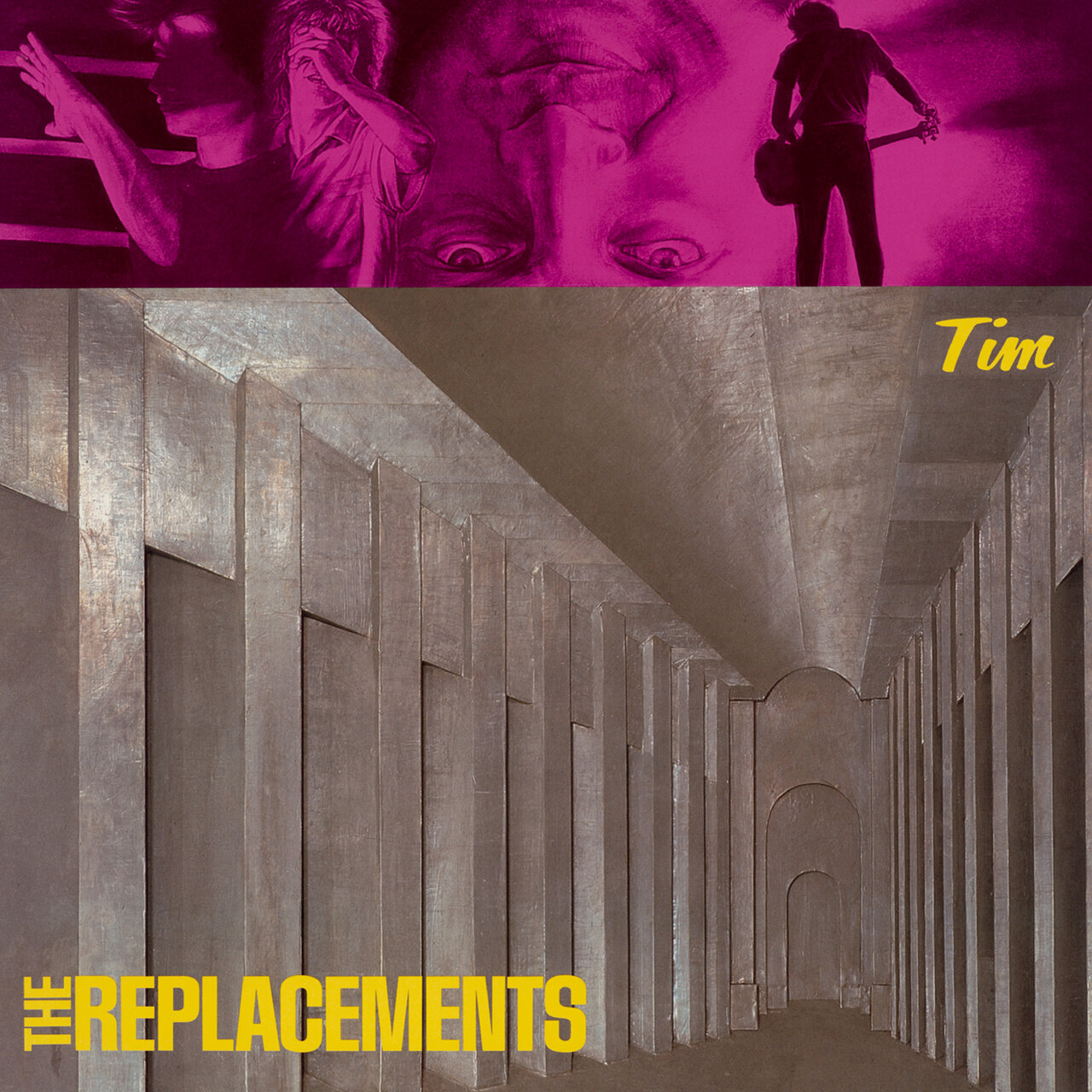
404. The Replacements – Tim (1985)
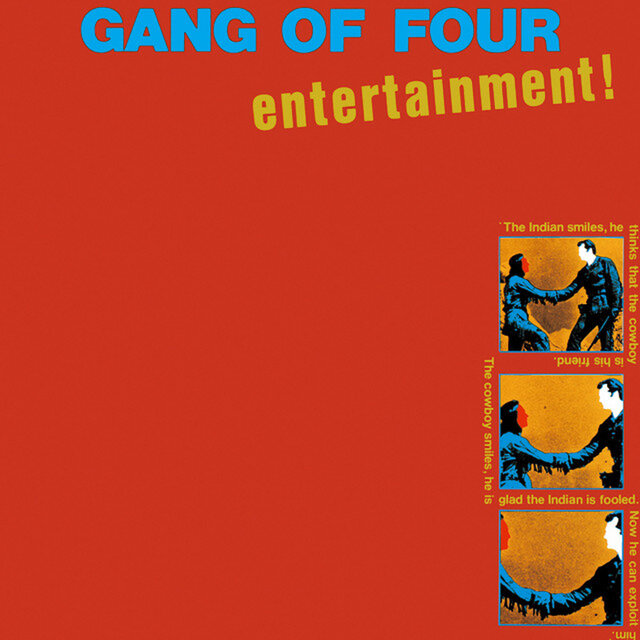
403. Gang of Four – Entertainment! (1979)
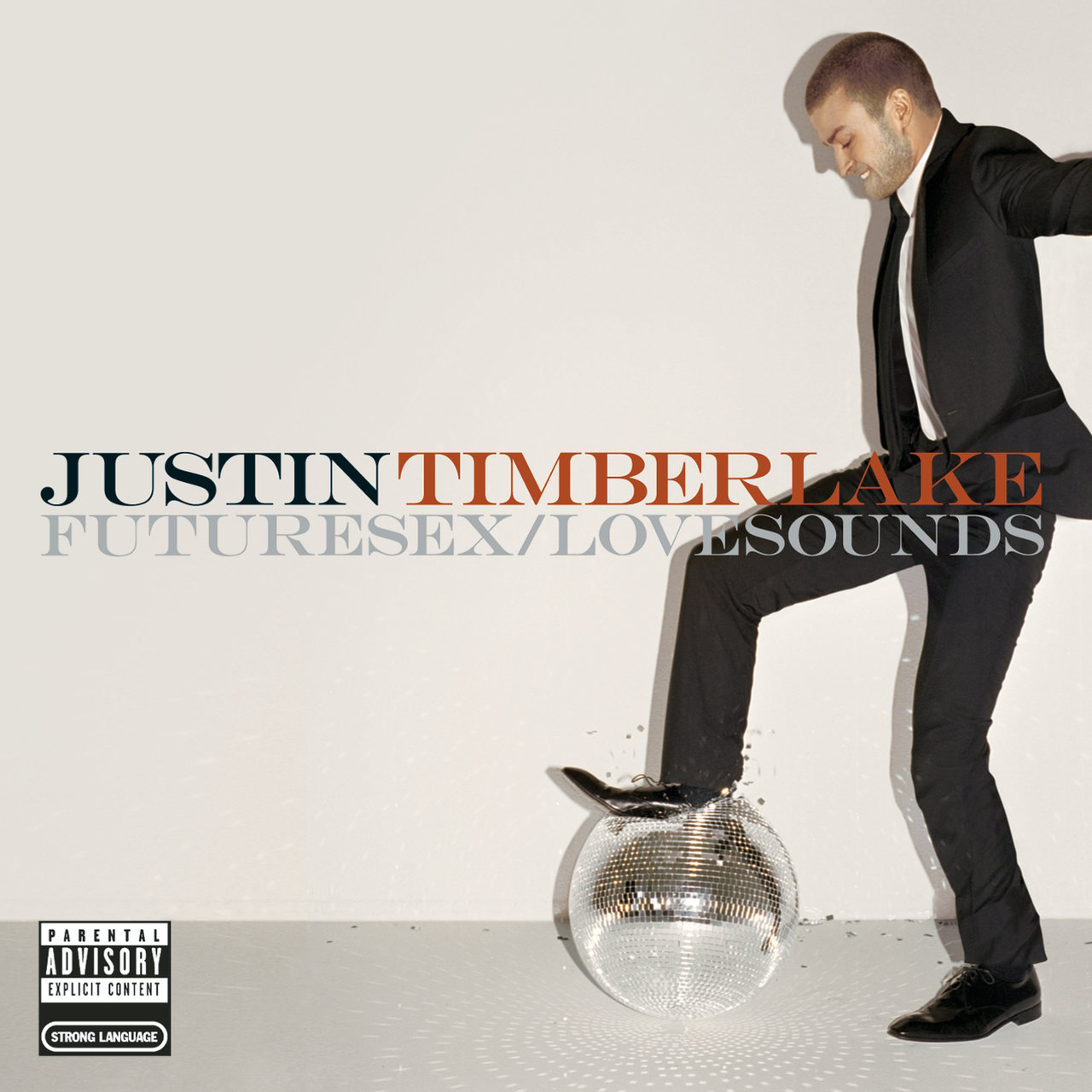
402. Justin Timberlake – FutureSex/LoveSounds (2006)
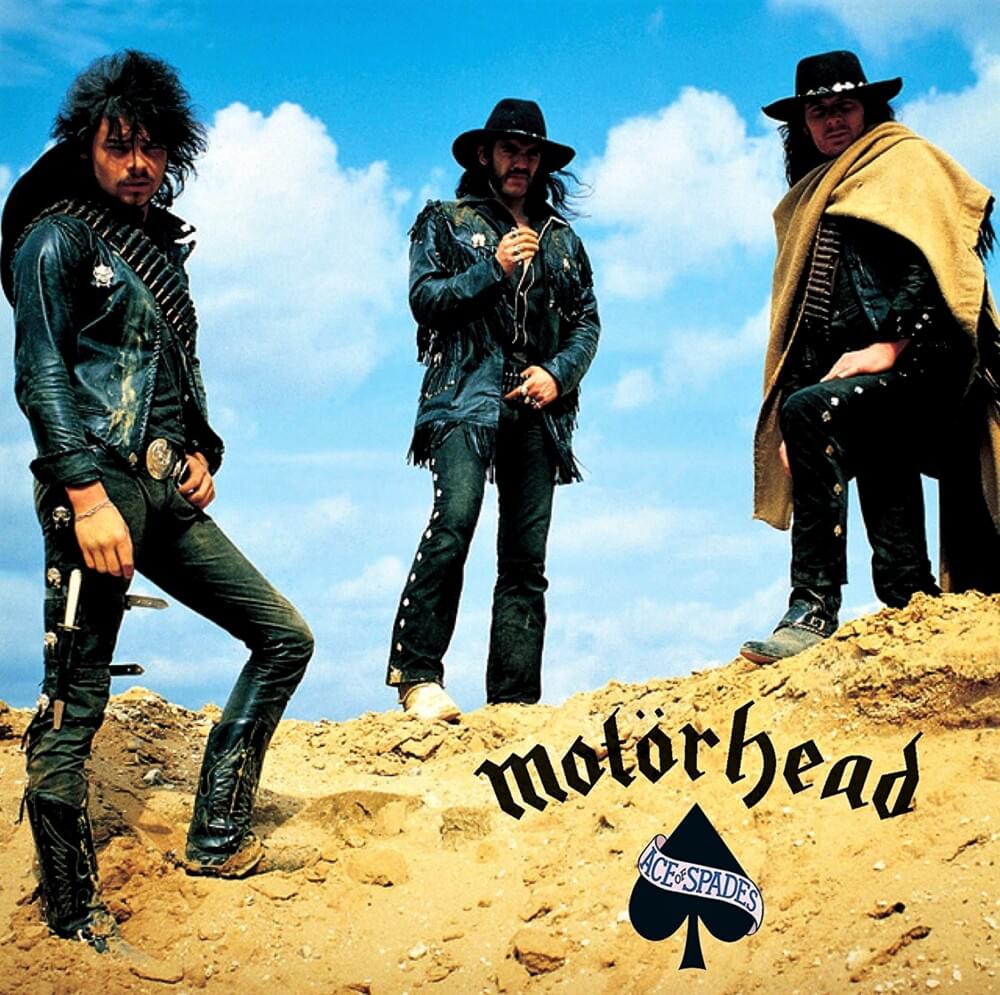
401. Motörhead – Ace of Spades (1980)

