
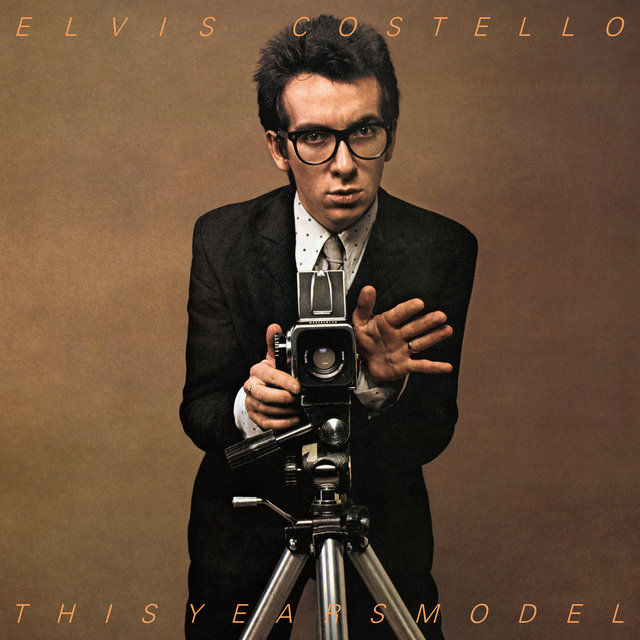
450. Elvis Costello & the Attractions – This Year’s Model (1978)
Not quite punk, not quite new wave and certainly not pop, Elvis Costello arrived in the late-’70s with countless influences but few true contemporaries. His music could be quite danceable, but his lyrical acrobatics were always front and center. Moving on from the country rock backing of his debut album My Aim Is True, Costello employed an incredible power pop ensemble (The Attractions) that raised the energy and stakes of his masterful songwriting. While none of the singles for My Aim Is True charted (“Watching the Detectives” was not included on the UK version), This Year’s Model broke through immediately with “(I Don’t Want to Go to) Chelsea” and “Pump It Up” finding radio success. Costello sings often with the stance of a critical observer, chastising those trying to keep up with the new trends and vengefully lashing out at failed relationships. The boy doesn’t win the girl or save the day in This Year’s Model; he just always has a comeback loaded in the chamber.
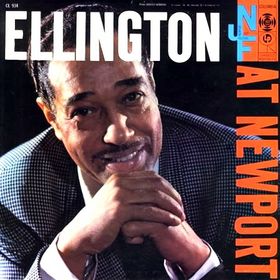
449. Duke Ellington – Ellington at Newport (1956)
Few artists have as grand a career as Duke Ellington. To oversimplify it, he was born in the 1800s and was winning Grammys in the ’70s — the progression of music in that span of time is astronomic and Ellington was at the center for much of it. His big band style brought him national attention in the ’30s-’40s, but as the ’50s came, he fought to stay relevant. Big bands had been dying off since WWII, and Ellington was paying his members through backlog royalties and playing small venues. When Ellington played the Newport Jazz Festival in 1956, he had no record contract. This performance could’ve been a fond sendoff to a legacy act, but instead, he revitalized his career. His new compositions comprise side A and are a delightful return to form, but the final track on this album is the stuff of legend. Ellington plays an old recording of “Diminuendo and Crescendo in Blue” and has Paul Gonsalves play a 27-chorus saxophone solo that electrified the previously-seated crowd; Gonsalves would collapse from exhaustion after the solo. The performance gained such worldwide notoriety that Ellington appeared on the cover of Time magazine and his popularity would never again waver. While the story of the performance is true, the ensuing LP features only 40% of the actual performance; the band regrouped the day after and re-recorded what they played. No matter what, this is still premier Ellington on LP — a legend thrillingly bursting back into the limelight.
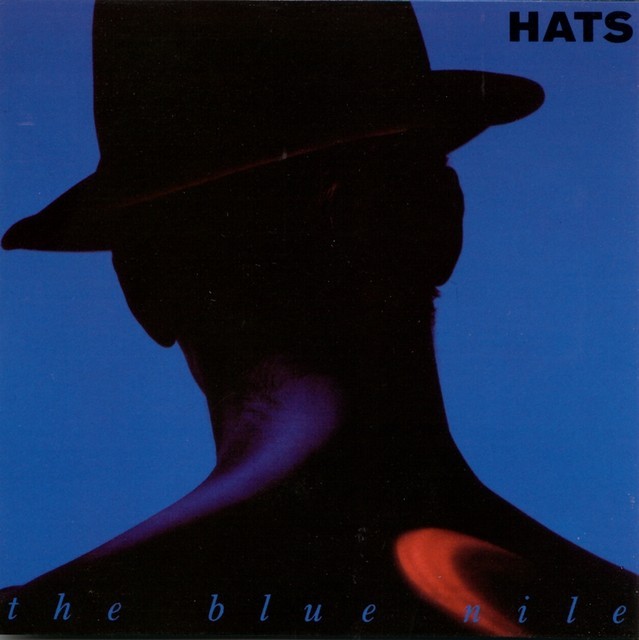
448. The Blue Nile – Hats (1989)
Quite possibly the most underrated ’80s act is this Scottish duo whose synth-pop arrangements fill the canvas unlike any of their contemporaries. Debuting in ’81 with their first single, the Blue Nile would take three years to produce their first album A Walk Across the Rooftops, which did not sell well but attracted much critical attention. Hats took even longer to gestate, with three years of studio work producing nothing leading to Virgin records suing in the process. It turned out being kicked out of their studio led to songwriter/composer Paul Buchanan overcoming his writer’s block. The resulting material is pristine and muted; the songs build and cascade rather than offer clean-cut choruses. The synths, guitars, piano and percussion often just transport as a singular unit, filling the space as a monolithic moodpiece. Hats had mild success in the UK, but the band remains a new discovery for many American listeners. With each passing year — and glowing praise from members of the 1975 and Black Midi — more people are converted.
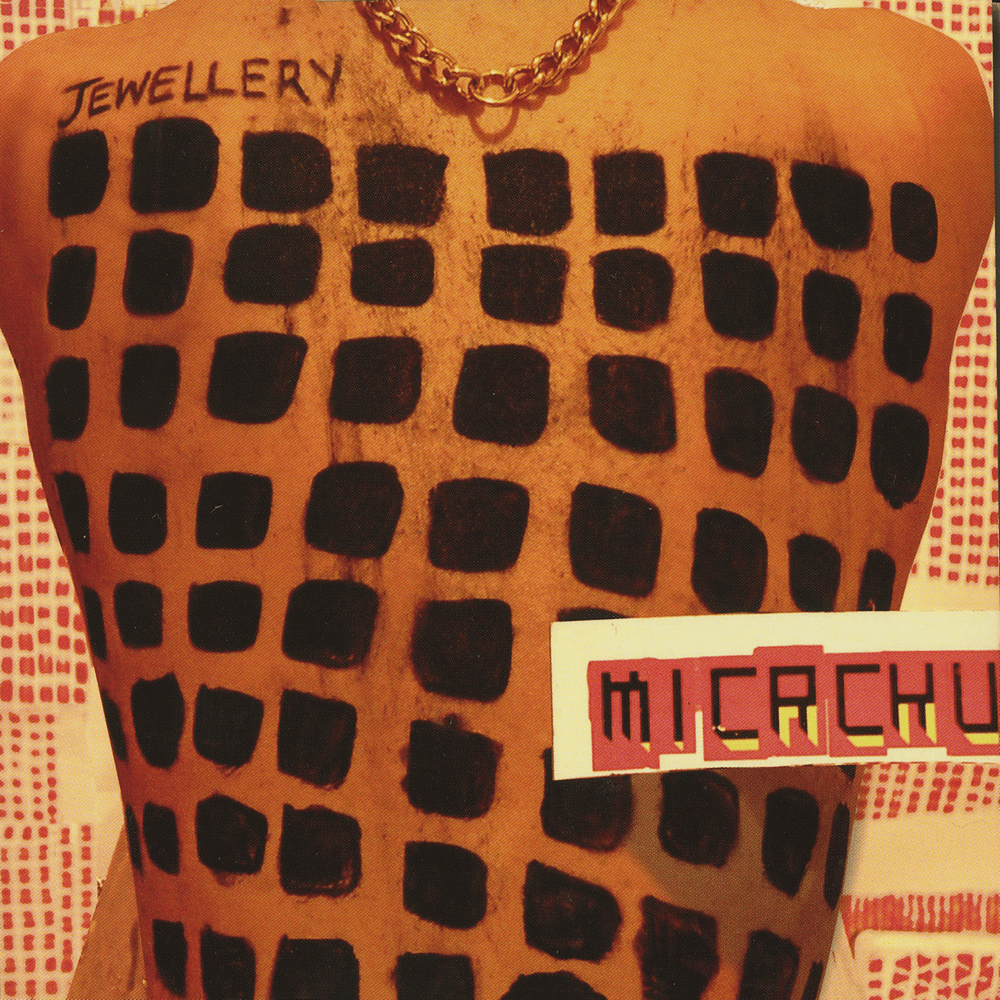
447. Micachu & the Shapes – Jewellery (2009)
Mica Levi is still a leading figure in experimental pop production with their first release crafting the rule-breaking template that they still adhere to. Jewellery was made while Levi was still in Guildhall School of Music and Drama, and its success prompted them to drop out. Levi was classically-trained in viola and had parents who played cello and piano; their work is further proof that you have to know the rules in order to properly break them. The Pokémon-referencing band was started by Levi and two friends, with an emphasis on non-standard tunings, odd time signatures and percussion from found objects. The music found on Jewellery is thrillingly amateurish with songs like “Eat Your Heart” featuring damn-near-offensive levels of distortion with the instrumental stylings of toddlers at daycare; “Golden Phone” is still an avant-pop masterpiece. Levi’s collaborations with director Jonathan Glazer (Under the Skin, The Zone of Interest) are some of the captivating film scores of the 21st century, but it’s the unrestrained adventure of Jewellery that I’m still drawn to most.
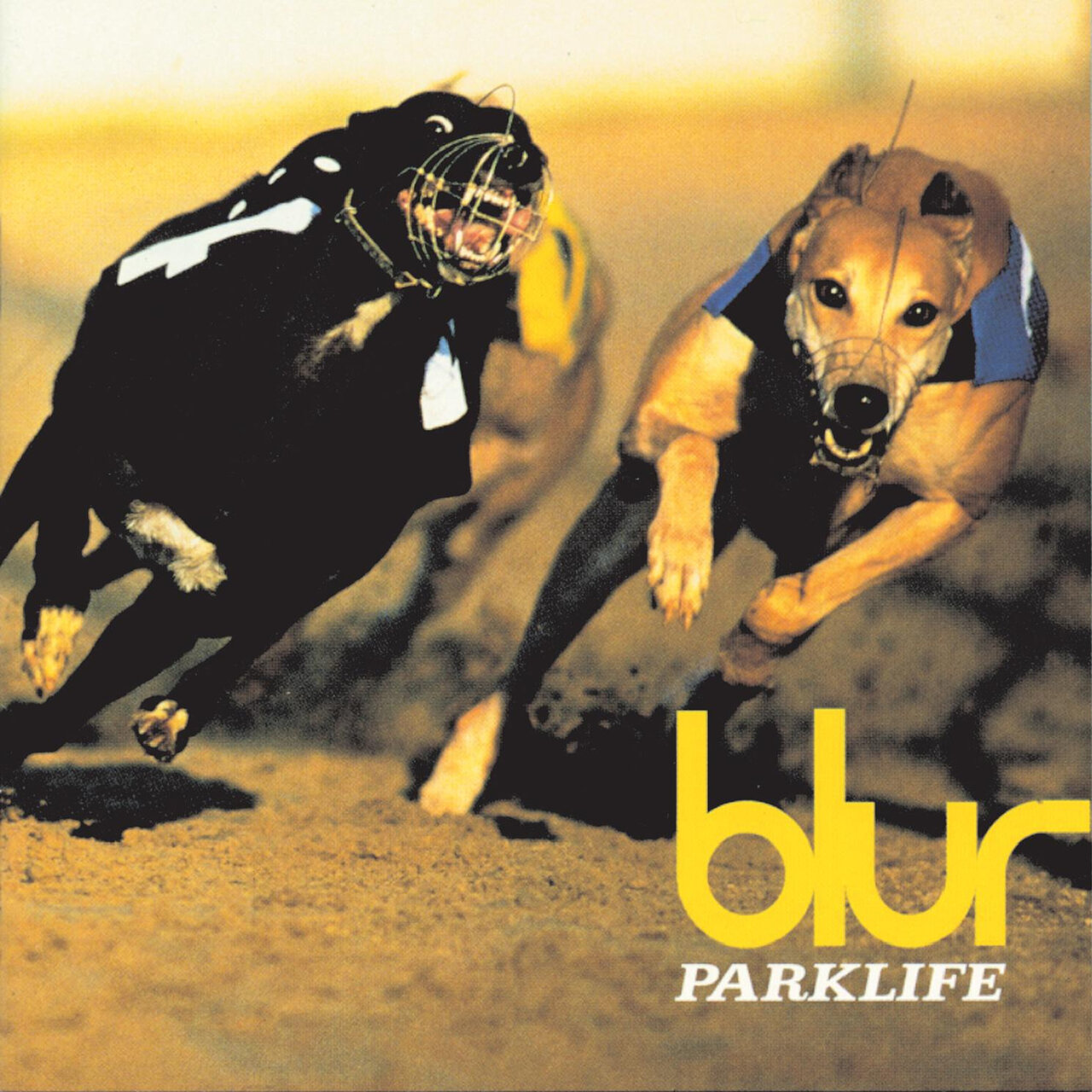
446. Blur – Parklife (1994)
The original title for Blur’s magnum opus was a bit on the nose: London. It would have been a fitting name for an album that covers the people and lifestyles of southern England with the kaleidoscopic bliss that the Kinks and Beatles accomplished in the late-’60s. Parklife — eventually just named for its uber-cheeky speak-sing centerpiece — synthesized much of the British Isles’ music scenes into a pop smorgasbord that drew from punk, synthpop, new wave, rave, etc. to create an amorphous genre journalists coined Britpop. The end result should be an unfocused mess, but Damon Albarn and co. tap into a wealth of creativity and pop perfection to help redefine the trajectory of British rock for the ’90s. The album’s success in the UK was staggering, selling over a million copies and staying on the charts for 90 weeks. On the flip side, Parklife failed to chart at all in the US resulting in one of the biggest cultural divides in music stardom seen for a UK act. Outside of “Song 2”, Blur still remain a bit of a cult fascination in the US with Parklife existing as a treasure trove of pop rock gems rather than an inescapable cultural behemoth.
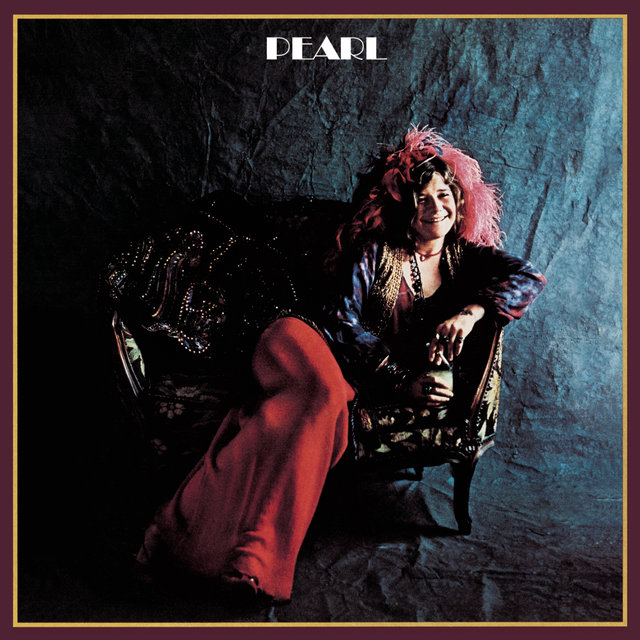
445. Janis Joplin – Pearl (1971)
When Big Brother and Holding Company’s 1968 album Cheap Thrills became a Billboard number one album, the star at the center of it all was well-apparent. Recruited by the ‘Summer of Love’ promoter Chet Helms, Janis Joplin left her drug-addled life in Texas to move to San Francisco and become Big Brother’s lead singer; her voice went on to symbolize the San Francisco hippie movement as much as Jerry Garcia’s beard. She then went solo, regained her heroin addiction (reportedly $200 worth a day) and released her first album I Got Dem Ol’ Kozmic Blues Again Mama! to mixed reviews. She changed her backing band to the Full Tilt Boogie Band and re-found her creative stride. The Pearl sessions saw Joplin lean into the raucous blues of her live shows, turn covers into her own and become a more assured songwriter. However, the album that Joplin fully envisioned never came to be, as she passed during recording, but an album’s worth of material still existed. Pearl was released posthumously to huge success, and the talent of Janis Joplin was forever memorialized.
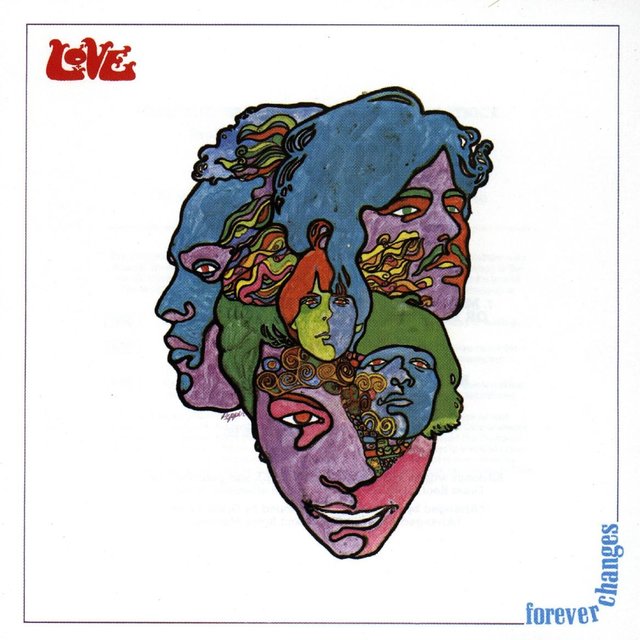
444. Love – Forever Changes (1967)
With a name like Love and peaking at the height of ’60s counterculture, this band is readily categorized into the California flowery hippie movement without much debate. However, the darkness and paranoia Love displayed on Forever Changes brings complexity to their image and has kept their music relevant long after the acid trip has faded. The title came from primary songwriter Arthur Lee’s breakup with his girlfriend as a response to the question, “But you said you would love me forever?” That bleakness bleeds into much of the lyrics; the haunting “The Red Telephone” is a psychedelic apocalypse with Lee questioning his existence; the legendary opener “Alone Again Or” (written by the other songwriter Bryan MacLean) has a mariachi trumpet backing the grim claim of “I will be alone again tonight my dear”. Love’s complex folksy, rock and baroque arrangements didn’t garner much commercial appeal in its time, only having moderate success in the UK. This disappointment and the band’s lingering internal struggles helped cause most members to leave the group with the unique style of Forever Changes never to return.
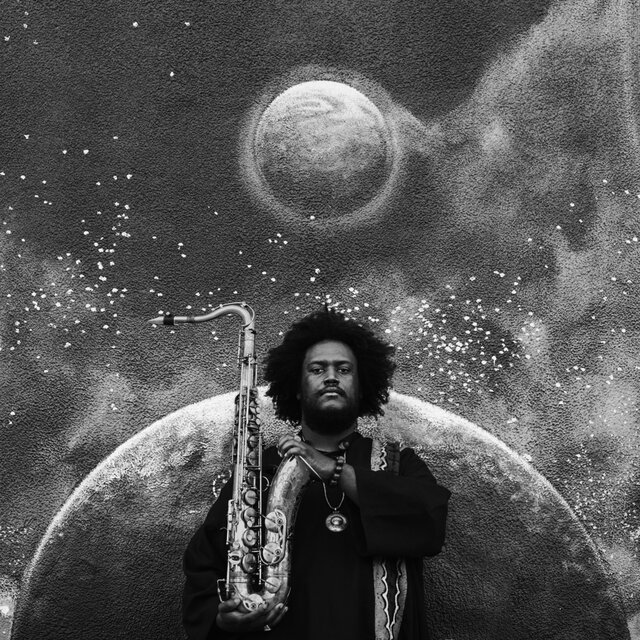
443. Kamasi Washington – The Epic (2015)
It’s perfectly reasonable for the average listener to question what jazz has to offer for the the 21st century. Miles Davis, Sun Ra, Thelonious Monk, Charles Mingus, and so many more left this plane of existence with nobody to take their place. The first time in my lifetime that a new jazz musician broke through with seminal work was Kamasi Washington with his aptly-titled triple album The Epic. It’s ballsy branding for an artist whose only claim to fame was working on To Pimp a Butterfly a few months prior, but within minutes of opener “Change of the Guard”, Washington’s stance as a celestial being on the cover felt earned. His style isn’t avant-garde or a new form of jazz; he embraces the full breadth of melodic spiritual jazz to launch his listeners into the stratosphere. Uplifting and patient in equal measure, Washington’s saxophone leads his 8-10 member band and a heavy dose of choral vocals to revive a brand of music that had no reason to leave.
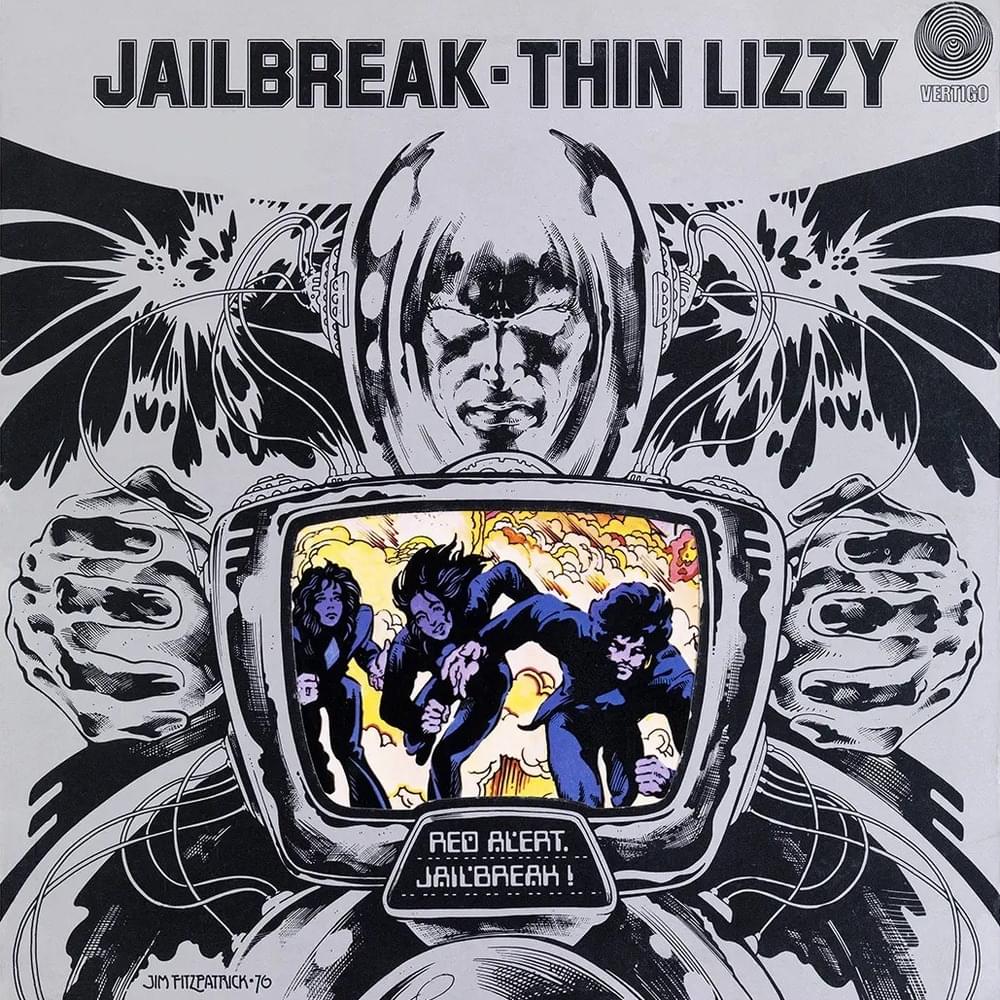
442. Thin Lizzy – Jailbreak (1976)
For the Irish band’s fifth album Fighting, Thin Lizzy had found their formula; by next year’s Jailbreak, they perfected it. Vertigo records gave the band one last chance to generate sales, and with songs like the title track and “The Boys Are Back in Town”, mission was accomplished. Their twin-guitar power pop/hard rock style has made Jailbreak an FM radio staple, but its charm never gets old. The band had a more varied style than they get credit for; “Fight or Fall” is a soft rock tune inspired by Van Morrison more than Deep Purple; “Running Back” is a keyboard-led jaunt meant initially as the lead single. Thin Lizzy’s legacy reaches far beyond their hard rock credentials — indie acts like Titus Andronicus to Ted Leo, hardcore bands like Black Flag, the new era of power punk bands like Joyce Manor and White Reaper, the mid-’80s dominance of Huey Lewis and the News. They all live by the Thin Lizzy code — maximalist bar band music where a summer night with the ‘boys’ never ends.
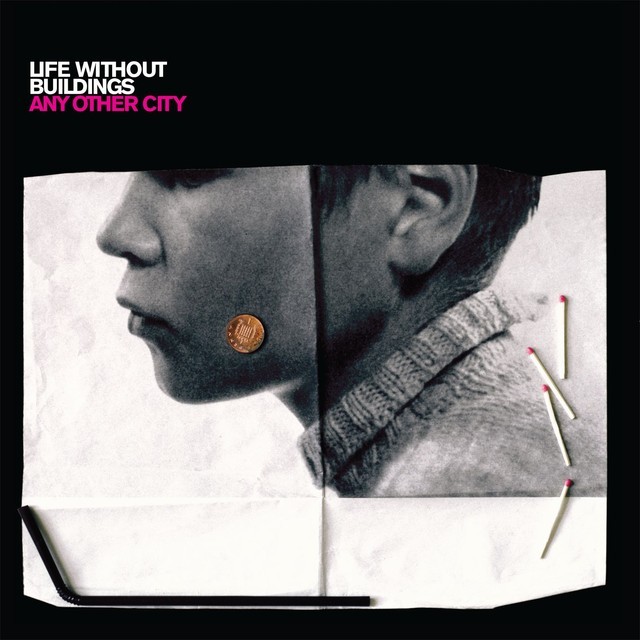
441. Life Without Buildings – Any Other City (2001)
Life Without Buildings started as an art school lark and became a cult legend with just one album. A bunch of ex-Glasgow School of Art students led by vocalist/painter Sue Tompkins crafted one of the most clever and innovative indie rock albums of the 21st century and disbanded immediately after. Any Other City blends the fuck-all vocal style of the Slits or X-Ray Spex with an underground rap mentality towards lyrical rhythm and a math rock complexity that was popular in the late-’90s. It’s truly original indie rock, a style that only these four bandmates could concoct. Highlight “The Leanover” bounces like improv slam poetry, but the drums and guitar serve and contrast Tompkins too precisely for any of it to be random. This year, Life Without Buildings announced a reunion offering the first glimmer that this star-crossed band could follow up their mesmerizing debut. No matter what ensues, their legend is well-assured.
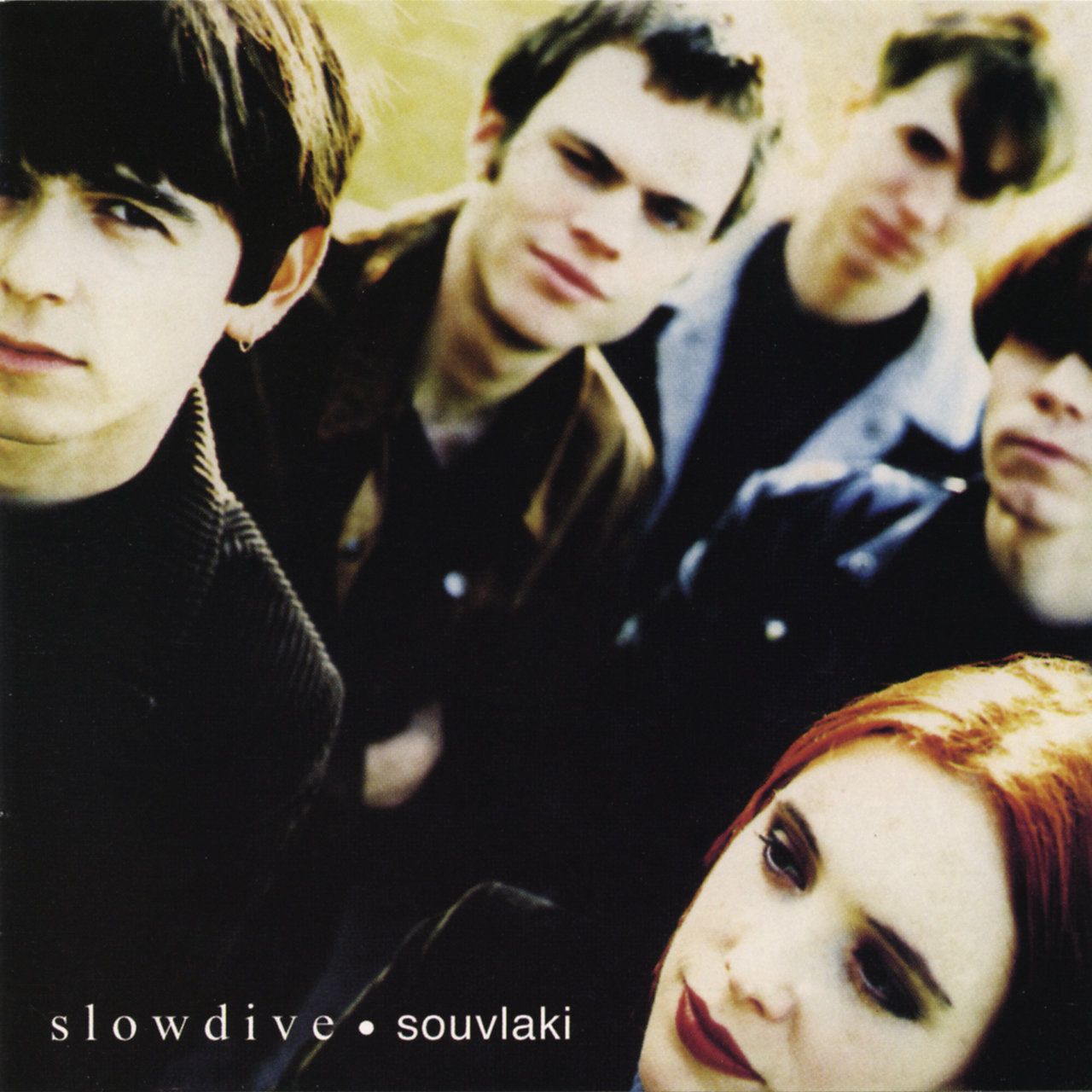
440. Slowdive – Souvlaki (1993)
Every ‘best shoegaze album’ list is going to have My Bloody Valentine at or near the top, but the genre is best defined by Slowdive’s discography, particularly their greatest album Souvlaki. Look no further than the fact that this album is the template for at least one band on the setlist at your local house show every weekend. Looking for inspiration for their second album, the band contacted Brian Eno to produce; while he declined, he was present for a few of the more ambient songs on the album (“Sing”, “Here She Comes”). Souvlaki is the result of an already-great band never wanting to stay stagnant and searching for influences in every corner. Opener “Alison” is their hazy dream pop anthem, leaving you alone and blissed-out in equal measure. Slowdive hit their stride in a UK market that treated shoegaze as a dying trend with Britpop usurping all the rock scenes around it, but as the streaming popularity of “When the Sun Hits” proves, the next generation of rockers see Slowdive as a north star.
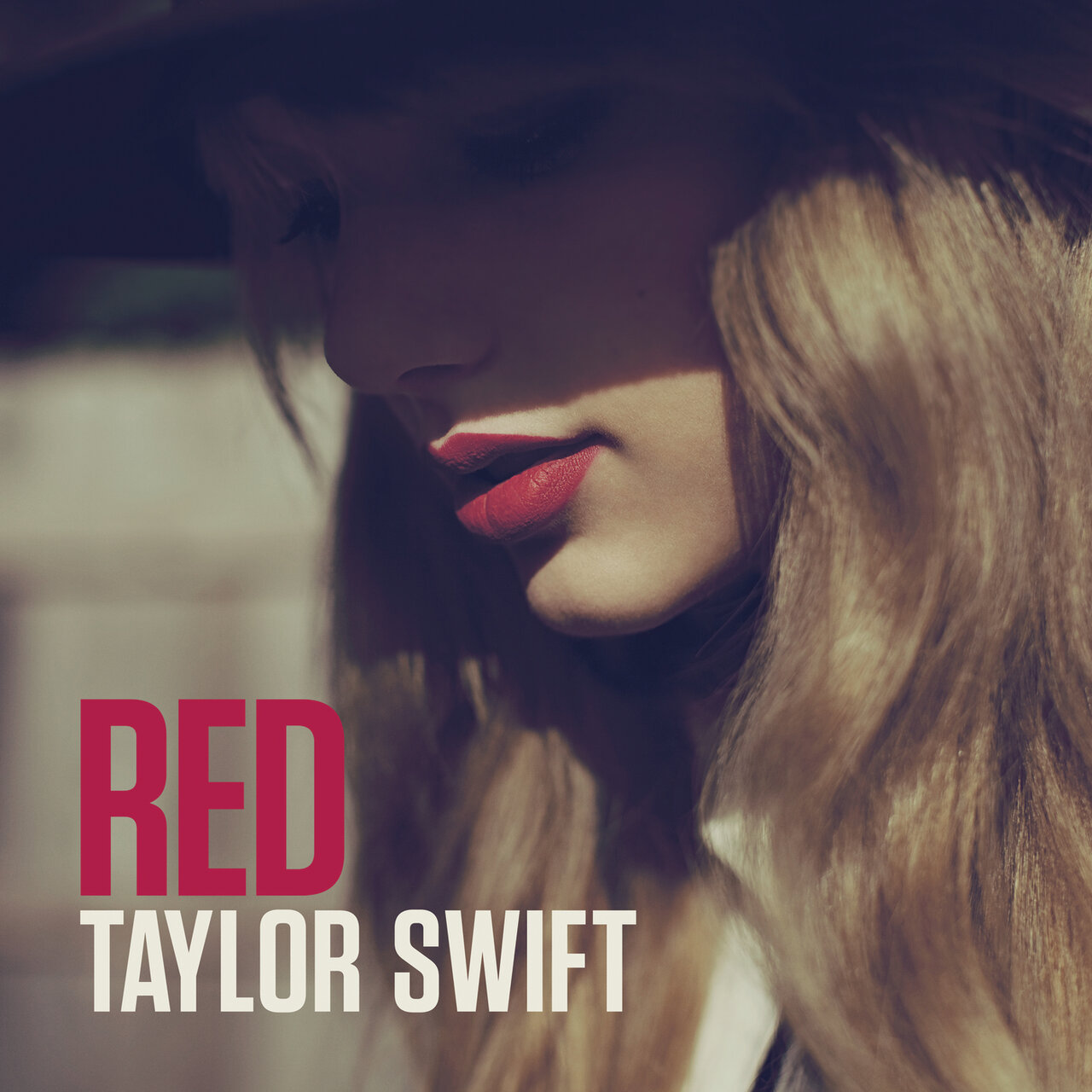
439. Taylor Swift – Red (2012)
No matter how many Grammys, eras, sold out shows or streaming records she has amassed in her almost two decades of superstardom, Taylor Swift’s critical nexus point is still Red. It remains her best album (Folklore is a close second) featuring at least five radio/setlist mainstays, but it’s also when her aspirations truly shifted to a takeover of the music industry. When the dubstep chorus of “I Knew You Were Trouble” drops, the country backing band all fades and the work of producers like Max Martin came front and center. Swift had not fully committed to it yet though, as much of Red is in the vein of her first two albums — lovelorn country folk ballads speaking to upper-middle-class teenage malaise. “Begin Again” and “All Too Well” best represent how deftly Swift pulled these off with the latter taking on a full life of its own in recent years. 1989 would be a full-fledged pop album cementing Swift as the star of her generation, but Red offers the full Swift experience at the peak of her songwriting prowess.
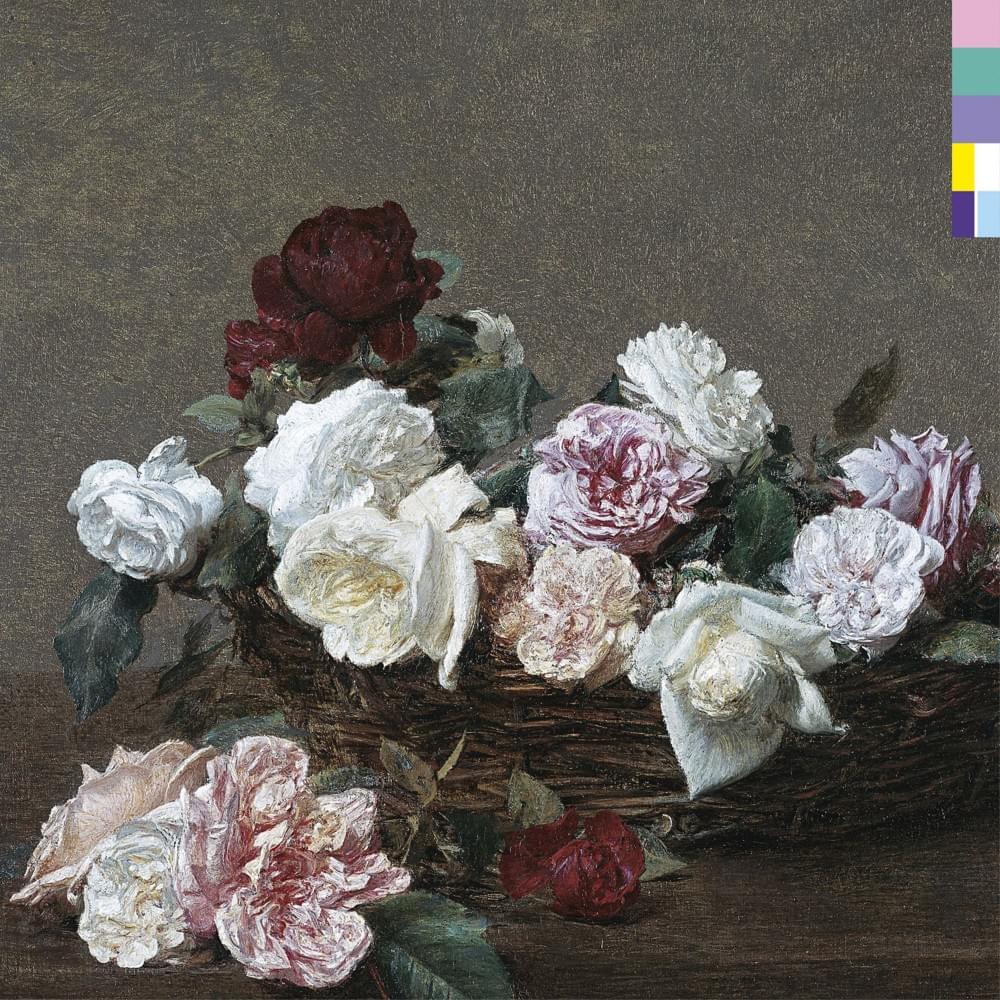
438. New Order – Power, Corruption & Lies (1983)
With Ian Curtis’ passing, the remaining members of Joy Division took on a new name and kept plugging away. Their first album Movement was still rooted in dark post-punk atmospheres and bass-driven grooves, but the next album would craft their own identity. Amidst the Power, Corruption & Lies recording sessions came the stand-alone single “Blue Monday”, which saw Kraftwerk filtered through the Factory Records sound for simply one of the most euphoric and inventive pieces of music ever made. The subsequent album stayed in that vein — the guitar tones were chirpier, the synths were more pristine and the drums sounded more processed. Opener “Age of Consent” is a worthy contender for best guitar song of the ’80s with its riff and outro refrain being played by some young guitarist in their room right now. “Your Silent Face” is synth-pop bliss and was a precursor to New Order’s dancefloor-ready singles throughout the rest of their career. New Order had their own history to make and the rest of ’80s UK new wave was shaped around it.
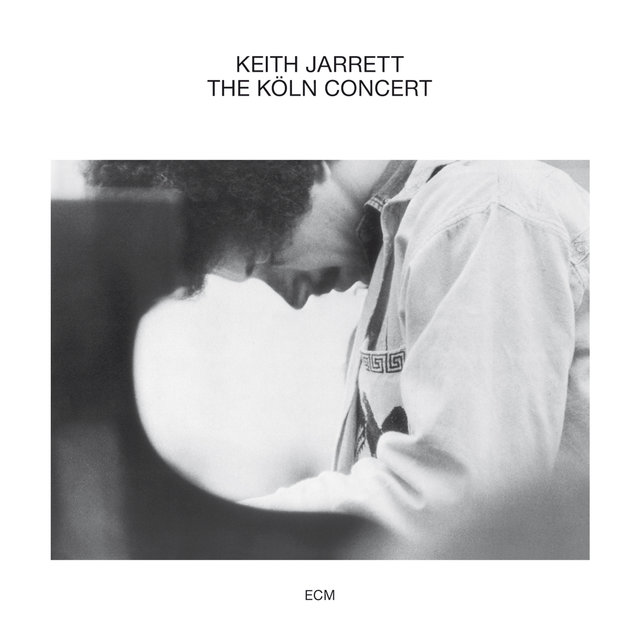
437. Keith Jarrett – The Köln Concert (1975)
The best-selling piano recording in music history does not belong to Thelonious Monk, Herbie Hancock or Bill Evans; that honor belongs to Keith Jarrett for his legendary improvised piano performance in Cologne, Germany. Very little of the prep for this concert indicated anything special. The time of the performance was set for 11:30 PM on a Friday, the first jazz concert ever played at the Cologne Opera House. Jarrett also was in serious back pain after a few sleepless nights and had to wear a brace. The Opera House had also brought the wrong piano, one that was too small and required hours of tuning to be playable. Considering leaving, Jarrett eventually acquiesced and adjusted his playing style to overcome the instrument’s weak upper and lower registers. Against all odds, Jarrett’s vamping skills created one of the most soothing pieces of jazz music ever to be recorded. His use of chord repetition has an ambient quality, filling any space with luscious melodies that are never abruptly abandoned. Few albums convey the power of the piano like The Köln Concert.
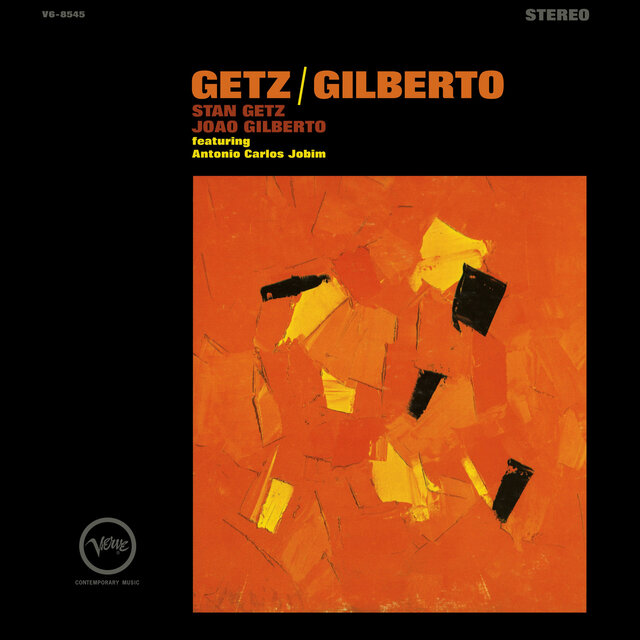
436. Stan Getz & João Gilberto – Getz/Gilberto (1964)
As American audiences turned from jazz to rock & roll in the ’60s, jazz artists began to search for new angles. Meanwhile, Bossa Nova became the most popular musical style of Brazil thanks to João Gilberto’s Chega de Saudade in 1958, and when Tony Bennett and Don Payne traveled to Brazil in ’61, they brought the sound back to their fellow American artists and the style spread like wildfire. The soft rhythms of Gilberto’s Bossa Nova and the cool jazz of saxophonists like Stan Getz turned out to be a perfect pair for their two-day recording session in 1963, which was shelved for a year due to producer Creed Taylor believing it would be a commercial failure. Gilberto’s delicate sense of rhythm often clashed with Getz’ bebop tendencies, but it’s that contrast that propels a song like “The Girl from Ipanema” into a pop music standard. Unlike other Big Band Bossa Nova albums of the time that didn’t honor the native rhythms, Getz/Gilberto would be highly-regarded in both Brazil and America and last long after the heydays of both Bossa Nova and cool jazz.

435. Phoebe Bridgers – Punisher (2020)
Phoebe Bridgers’ debut album Stranger in the Alps slowly proliferated through indie rock until it felt like a seminal release by the time of her follow-up. Throw in her work with Conor Oberst and boygenius, and Bridgers was already hailed as the next great songwriter of her generation. With Punisher, that title was no longer in question. The figures in her songs — whether meant to be Bridgers or not — are fully-realized and complex; on songs like “Kyoto”, they want to gain more freedom but then get overwhelmed by it; on others like “Halloween” and “Chinese Satellite”, identity crisis prevails above all else. Bridgers popularized poetic honesty unlike any of her indie rock peers — the lyrics are blunt and pretty in equal measure, ready to cut you and turn the blood into art. The finale “I Know the End” remains one of the most breathtaking rock songs of any era, placing herself in the middle of an empty American wasteland ready to be swallowed up in a tornado.
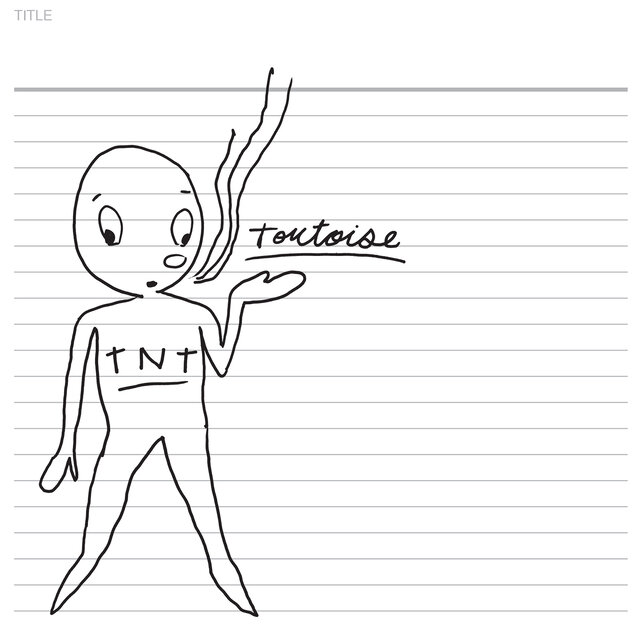
434. Tortoise – TNT (1998)
Every genre, no matter how evolved and cool it purports to be, eventually has to be upended. Post-rock has been a catch-all term for bands with massive ambition and zero commercial intent, but it still required artists like Tortoise to truly test what a post-rock landscape could sound like. Their 1996 breakthrough Millions Now Living Will Never Die blended electronica, slowcore and math rock to dizzying heights — especially on opener “Djed” — but the follow-up is the true avant-garde masterwork with the most unpredictable amalgam of influences of any album in my lifetime. Spacious jazzy songs can bleed into minimalist marimba with no whiplash; western music will carry a digital undercurrent that is fully-realized on the next track. The album sequencing is remarkable, crafting what could be disparate sketches into a music scene all its own. As the 20th century was winding down, TNT acted as both a summation of the last half century of rock music and the great potential of what they still had to offer for the 21st cenutry.
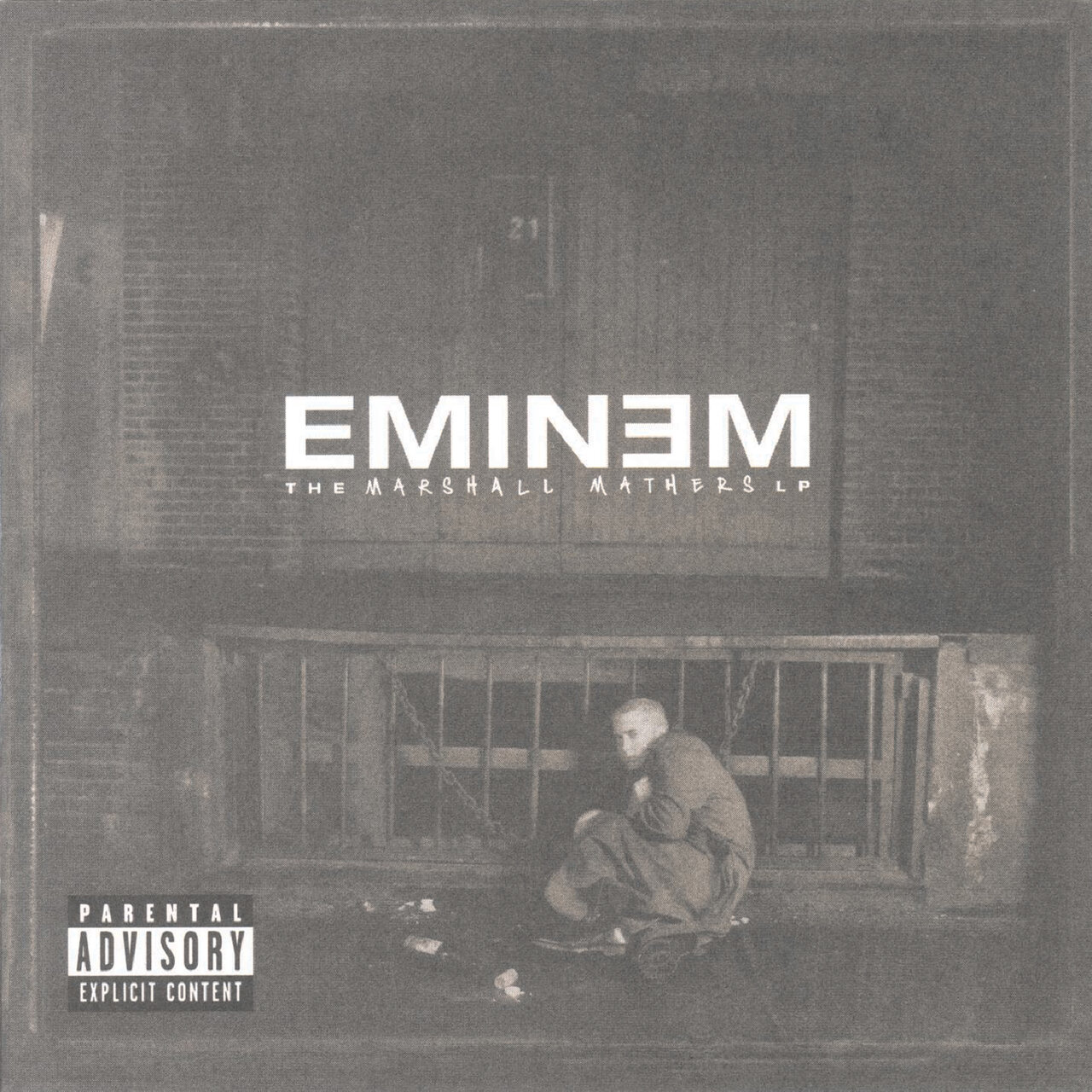
433. Eminem – The Marshall Mathers LP (2000)
As the 20th century gave way to the 21st, one white rapper with a blonde buzzcut existed on a separate plane of existence, hovering over pop culture and gleefully taking a dump all over it. He claimed to offer a respite from the fake commerciality of pop stars, but his vulgar lyricism was obviously more infantile and repugnant. He presented himself as the court jester, but it came with a sick grin and a knife in his belt. Eminem’s place in pop culture history is a fascinating conundrum, but he would just be a trivia footnote if his second album was not such a fun listen. Few can rap like him in his early days; there’s an unmatched artistry in how he finds the perfect rhythmic ratatat in damn near every verse and chorus on this album. Take a song like “Kill You” — a few listens to the song can have you rapping along with every word, but boy, are those words not great to say aloud. Incest, domestic violence, homophobia and misogyny go unchecked, much like the rest of the album, with Eminem toyfully playing around with how much he really means it all. Released at the height of CD sales, The Marshall Mathers LP sold 25 million copies, which would be the biggest-selling rap album of all time if not for his next one. The people recognized the artistry, but what else did they connect with?
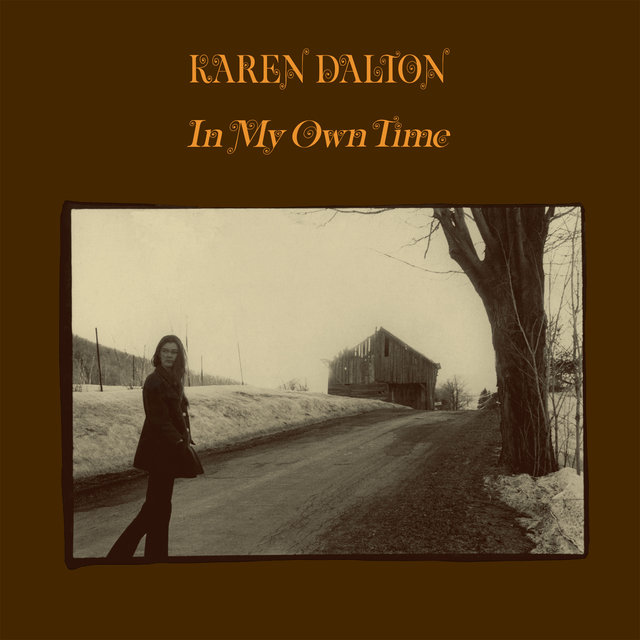
432. Karen Dalton – In My Own Time (1971)
Karen Dalton remains a seldom-discussed figure to come out of the Greenwich folk scene. She only released two albums to no acclaim before abandoning her music career for the last twenty years of her life, but many critics and artists have discovered her in the 21st century and recognize her voice as an inspiration for today’s folk music. The love for her is not entirely retrospective though; Bob Dylan called Dalton his favorite singer, reminding him of Billie Holiday and capable with the guitar like Jimmy Reed. She worked with a banjo and a twelve-string guitar and sang with a raspy bluesy tranquility that few possess. For her second all-covers album, Dalton recorded with production help from bassist Harvey Brooks who had session work with Dylan, the Doors and Miles Davis. Opener “Something on Your Mind” has become her definitive song with a heavy pulsing bass nearly drowning out the country instrumentation. The covers range from soul (“When a Man Loves a Woman”) to blues (“In My Own Dream”) to country (“Take Me”), but Dalton’s arrangements deftly mold the well-known songs into her own image.
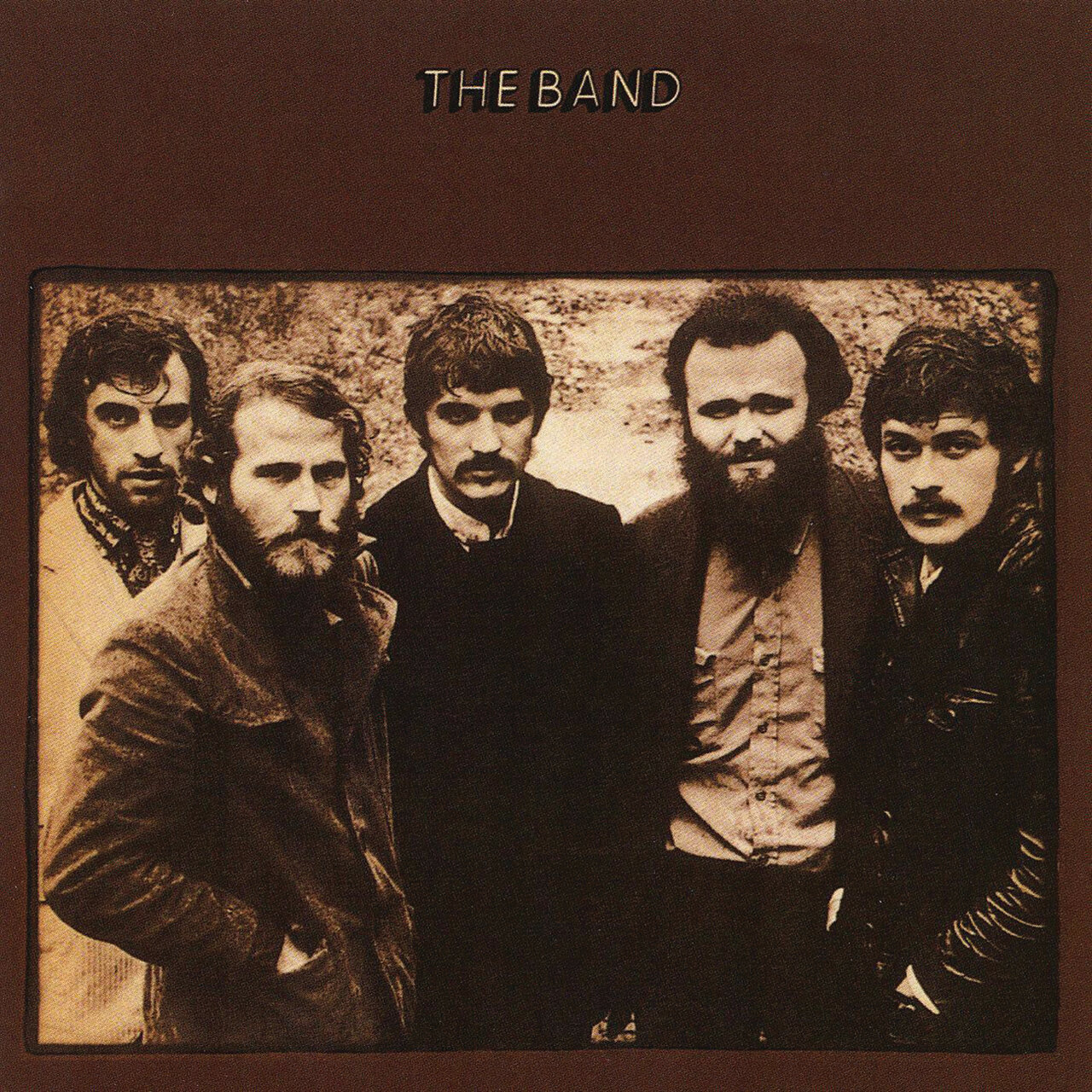
431. The Band – The Band (1969)
The Band were a well-oiled machine by the time they released their own music. They toured behind Ronnie Hawkins and Bob Dylan for a full decade before 1968’s Music from Big Pink, one of the best rock debuts of the ’60s. Their next album, though, was better — more assured and committed to their peculiar style. The Band, from its cover to the song’s subjects, is a rustic dive into America’s roots, but instead of resembling anything traditionalist or staid, this album was made by a bunch of renegades who pushed country rock into its most exciting form yet. While the first album featured songwriting credits from Dylan and Richard Manuel, Robbie Robertson had taken almost complete reign over the lyrics for The Band; he also was deeply invested in the engineering side. The other band members still sang with Levon Helm being chosen to handle the three big singles: “Up on Cripple Creek”, “Rag Mama Rag” and “The Night They Drove Old Dixie Down”. The latter has inspired contemporary criticism for not outright condemning the Confederacy, but the power of Helm’s voice — and the chorus harmonies — stirs an immediate emotional response that the Band at their best uniquely reached.
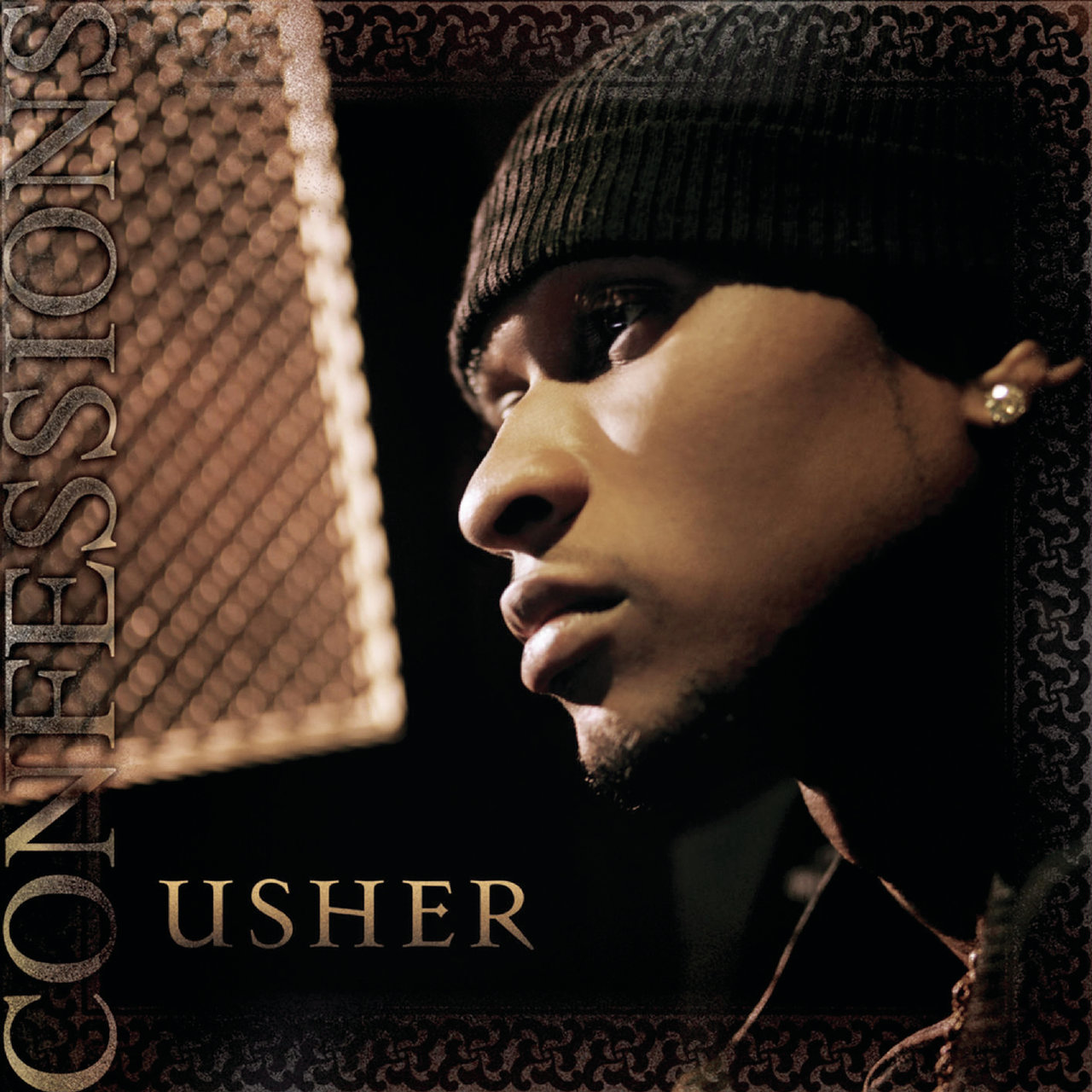
430. Usher – Confessions (2004)
Few R&B albums have been as successful as Usher’s fourth studio album, being certified 14 times platinum and generating four number one hits. His previous two albums My Way and 8701 generated multiple top five hits, but Confessions was an omnipresent cultural force throughout the summer of ’04 in a way few albums have achieved since. Lead single “Yeah!” was a late add-on for the album with Usher embracing the Atlanta crunk scene with Lil Jon and Ludacris; it remains a permanent fixture at every wedding or ’00s throwback playlist. The rest of the album is more in line with Usher’s established R&B sound with producer Jermaine Dupri showcasing a mixture of uptempo dance-pop and slower ballads that all spotlight Usher’s crooning chops. Just Blaze is brought in for the underrated gem “Throwback” that samples Dionne Warwick’s “You’re Gonna Need Me”, and Jimmy Jam & Terry Lewis feature prominently through the back half of the album. Usher has only achieved this level of success again in spurts, but the influence of Confessions on R&B in the 21st century cannot be understated.
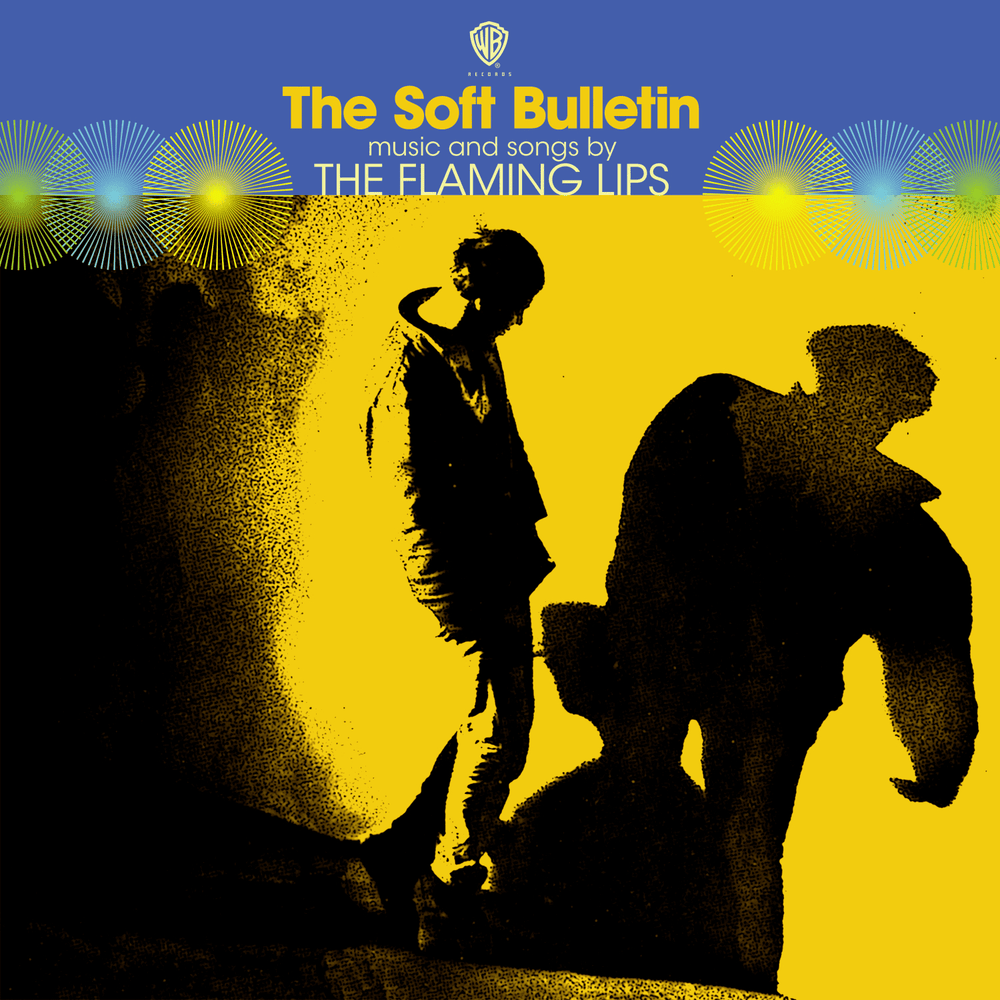
429. The Flaming Lips – The Soft Bulletin (1999)
For many, the Flaming Lips are simply the band that made “Do You Realize??” or had minor success in the ’90s with “She Don’t Use Jelly”, but the most interesting moment for the band came with their neo-psychedelica dream pop epic The Soft Bulletin. Upon first listen, the album sounds like an expensive production, with meticulous engineering, immaculate drum sounds and a grandiose symphonic scale to boot. They did have Warner Bros. label money, but the band was clever with their use of MIDI keyboards, achieving everything in their three-member operation. Frontman Wayne Coyne brought an earnest sentimentality to alternative music that the ’90s tried their best to masque; it still keeps the band in a realm of their own (who among their peers made a song like “The Spiderbite Song”?) With artwork that alluded to LSD, The Soft Bulletin has been compared to ’60s psychedelica and hippie culture, but its sound conveys a futuristic post-rock attitude that no album in its wake has truly captured.
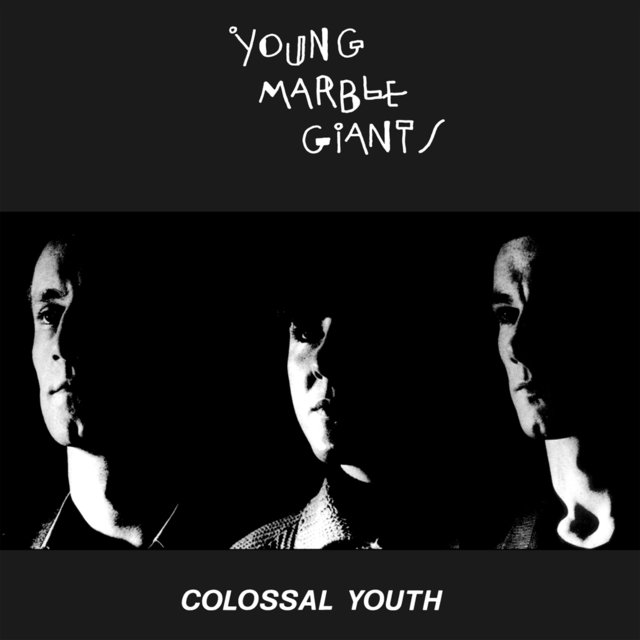
428. Young Marble Giants – Colossal Youth (1980)
Many revolutionary musical movements come from the art of scaling back, casting off the excesses and glut of previous artists to find the true core of it all. Few bands scaled back more than Young Marble Giants, the rare post-punk band that never employed a drummer, and in the process, created a dry, minimalist form of rock that inspired the next generation of indie artists. The Welsh band at the time of recording their only album Colossal Youth consisted of singer Alison Statton and the instrumental backing of brothers Philip and Stuart Moxham. Statton’s vocals feel beamed in from 2026 — plainly-sung and contemporary like you’d hear from a bedroom demo recording. The Moxham brothers’ guitar arrangements are plucky and spare, utilizing staccato notes to create the rhythm that percussion usually would provide. Some songs like “N.I.T.A.” utilize organ sounds much like Broadcast or Stereolab would do two decades later. Your first instinct might be to say it sounds half-finished, but there’s a thrill in knowing that’s exactly how they wanted you to feel.

427. Swans – The Seer (2012)
Swans have built a huge cult following in their 40+ year career due to cornering the market on primal chant-rock music. Their first iteration lasted from ’82-’97 and consisted of ten albums ranging from sludge punk (Filth) to gothic rock (Children of God) to post-rock drone (Soundtracks for the Blind). When Michael Gira reformed the band for the 2010s, any semblance of rock or blues tradition had been excised to create a monolithic tour de force of sound. The Seer was many people’s introduction to the band as they received more critical attention than ever before. The two-hour epic churns unlike any rock record before or since; the 32-minute title track breezes by as its droning percussive repetition is meditative and cathartic in equal measure. When Gira decides he needs to sing, it’s opaque and sinister, leaning into every grizzled tone in his throat. Swans are still going strong, but the heights of The Seer still stands above their discography.
426. Faust – Faust IV (1973)
In a span of three years, the experimental German band Faust had been signed to both Polydor and Virgin, released multiple albums for each and were subsequently dropped from the labels. They’re often labeled as krautrock — the first song on Faust IV is even called “Krautrock” — but Faust never adhered to a particular scene. Their music was discordant and ambitiously noisy; there was no “Vitamin C” in their chamber. They were the Frank Zappa of the German rock scene; pretty melodies could shine through like in “Jennifer”, but all the other muck in the mix made sure that normal audiences would never hear of it. After Faust IV inevitably sold no copies, the band went right back to work for Faust V which was sent to Virgin and never released. Bootlegs of that album have circulated, but Faust IV remains the definitive final outing from this band’s initial legendary run.

