
Ever since I was 14 years old illegally downloading whole albums onto my 160 GB iPod Classic and envisioning myself as a music critic, this is the project I’ve been most excited to do. It feels like a rite of passage for young music nerds to stumble upon Rolling Stone‘s list of the 500 Greatest Albums and obsess over every choice they made. I grew up with the 2003 version with Sgt. Pepper as number 1 and where seemingly 80% of the list was US/UK white male rockers. It made me familiar with four different Byrds albums, five different Eric Clapton albums and damn near the entire catalog of U2. The list was a reflection of the critical climate it was made in, and it clearly showed who made the list and what was appealing or disheartening about their taste. The same can be said for their 2021 updated list with more inclusions by Sade than Quicksilver Messenger Service. Making a list of the best albums feels so absolute in relation to any other music list; there are no qualifying statements (“best…of the [insert year/decade/genre]), but more importantly, if you have flaws in your taste, eras you don’t care about, genres you disregard, etc. they will be blatantly apparent. It’s obvious spotting how Rolling Stone loved too much ’60s/’70s blues and soft rock in 2003 and then had too heavy a dose of poptimism in 2021.
I haven’t seen a list of the greatest albums of all time that I fully agree with, or frankly, gets anywhere close. Knowing that, I’ve put off making this list for a few years. While I listen to enough music and am familiar with each decade’s greatest work to just put it out into the world, it felt too important to fuck up or do blithely. I know how critical I am of every list like it, and I don’t want to end up a hypocrite. I don’t want this to be clickbait or a “conversation starter” — usually, the conversation it starts is what they got wrong. No, I want this list to act as a singular unit — where every genre/subgenre feels represented, every decade’s greatest work is properly conveyed. I want the rankings to make sense, where if you were to listen along, you’d gradually see the increase in quality. This is a canon (not the canon; I envision that with many more albums), and each of these albums belongs together aesthetically. My canon has Billie Holiday and Geese existing together, James Brown and Destroyer side-by-side — all these albums are in conversation with each other once this is published in full.
500 random albums in the grand history of music is minuscule, but with these 500 I chose, my intent is to craft a wondrous tapestry reflecting a proper breadth of popular music. Thousands upon thousands of albums come out every year with hundreds receiving some sort of critical acclaim. When you consider the 60+ years of the album being the driving creative backbone in music, that’s less than 10 albums per year being able to make a list like this. That doesn’t even account for years like 1969, 1971 or 1994 which are loaded with epochal albums. You have to be selective, even with a number as big as 500. As is the case with every list in existence, often it’s more about what is left off than what is included. Have you seen the comment section on every listicle? “Where’s ____?” is pretty common.
Unfortunately, I do admit many great albums are left off; there are simply more than 500 great albums out in the world. I tried to be shrewd with my cuts, often going with variety and diversity over maybe some albums I do listen to more. Many times, I asked myself, ‘do I need multiple albums from _____?’ and unless I could definitively argue for that album’s singular stamp in my life or music history, I found something else. Don’t worry though, many artists still are properly represented with multiple albums. Maybe I’ll get around to making a 1,000 greatest albums list where I have all the room I need to include my favorite albums, but I am simply one man writing about every one of these albums.
I’m excited about what this list ended up being, and I’m also pumped to share a few words for all these albums I love. That’s a lot of writing to accomplish, and it’s going to take some time. I also want you as a reader to take your time going through this list. I want you to read what I have to say and listen along to these albums — nod your head in approval with what you love and dive deep into what you haven’t heard before. If these albums all fit together for me, I think they can for you. With that in mind, I will be slowly releasing this list out — 100 albums at a time in 5 parts. I envision each part being released at the end of these next five months, so by the time this list is completed, summer will be winding down. It both gives me time to write and time for you to read. This is a massive undertaking, and I would hate for readers just to skip it all to find out what number one is.
With that, here’s the list of the 500 Greatest Albums of All Time!
—
If you enjoy reading this, follow me on Instagram and TikTok (@bitter_melodies everywhere) to stay informed with all updates and hear me talk about this list in further detail.
Thank you!
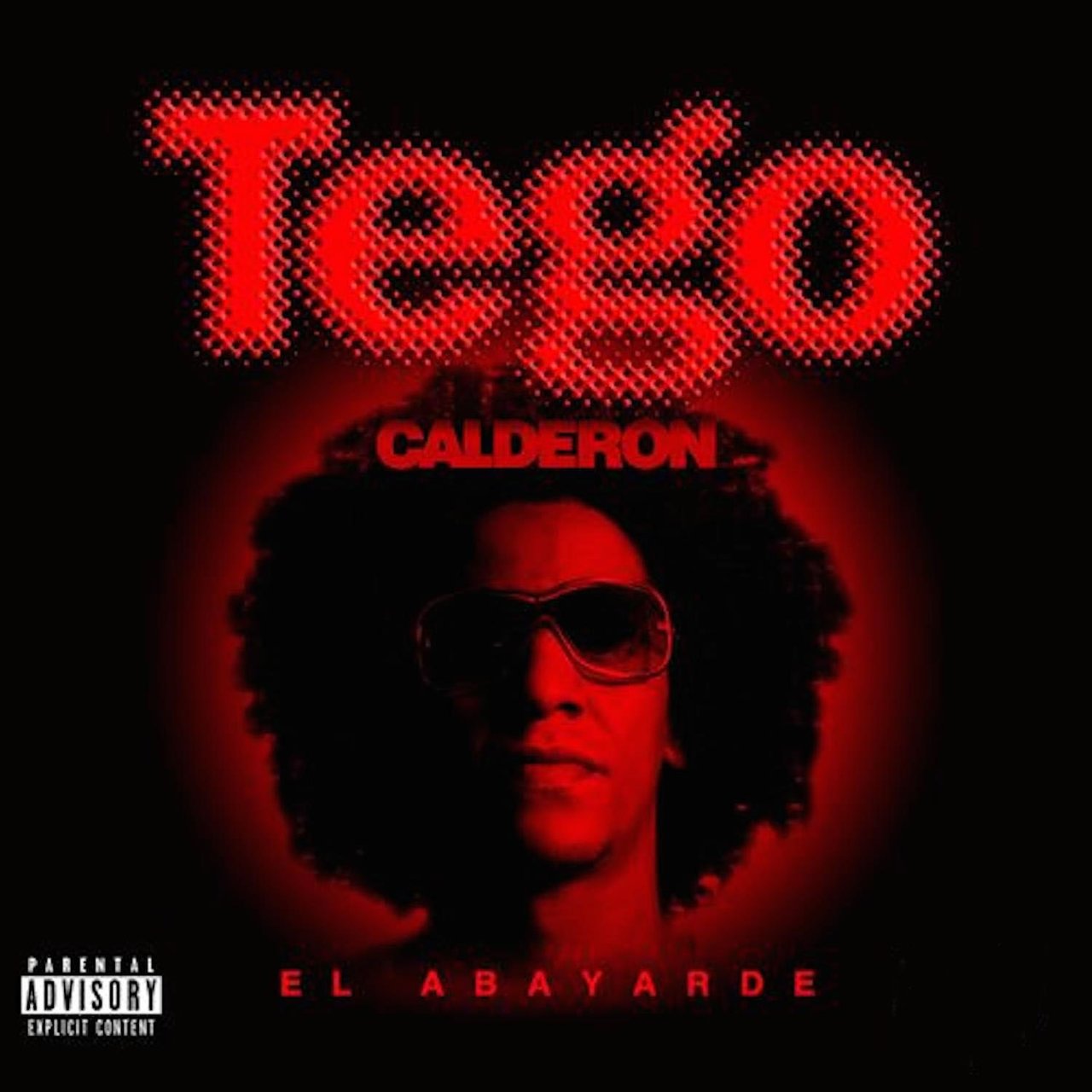
500. Tego Calderón – El Abayarde (2002)
Reggaeton has risen from the underground mixtapes of DJ Playero to a Super Bowl halftime show in just a couple generations, and Tego Calderón’s debut is a critical moment in that evolution. Reggaeton was a hot button political issue in Puerto Rico until international audiences started to embrace the works of Daddy Yankee, Ivy Queen and Calderón. El Abayarde is the best of this crossover phase, as Calderón’s eclectic taste and wide breadth of influences makes for an endlessly rewarding listen. “Pa’ Que Retozen” was the first single to break through off the album, and it remains maybe the most addictive beat in all of reggaeton. What sets Calderón apart as well are his lyrics — not just proudly Puerto Rican but willing to call out the unfair treatment of Afro-Puerto Ricans within the country as in “Loíza”. Calderón laid the groundwork for Bad Bunny’s global dominance.
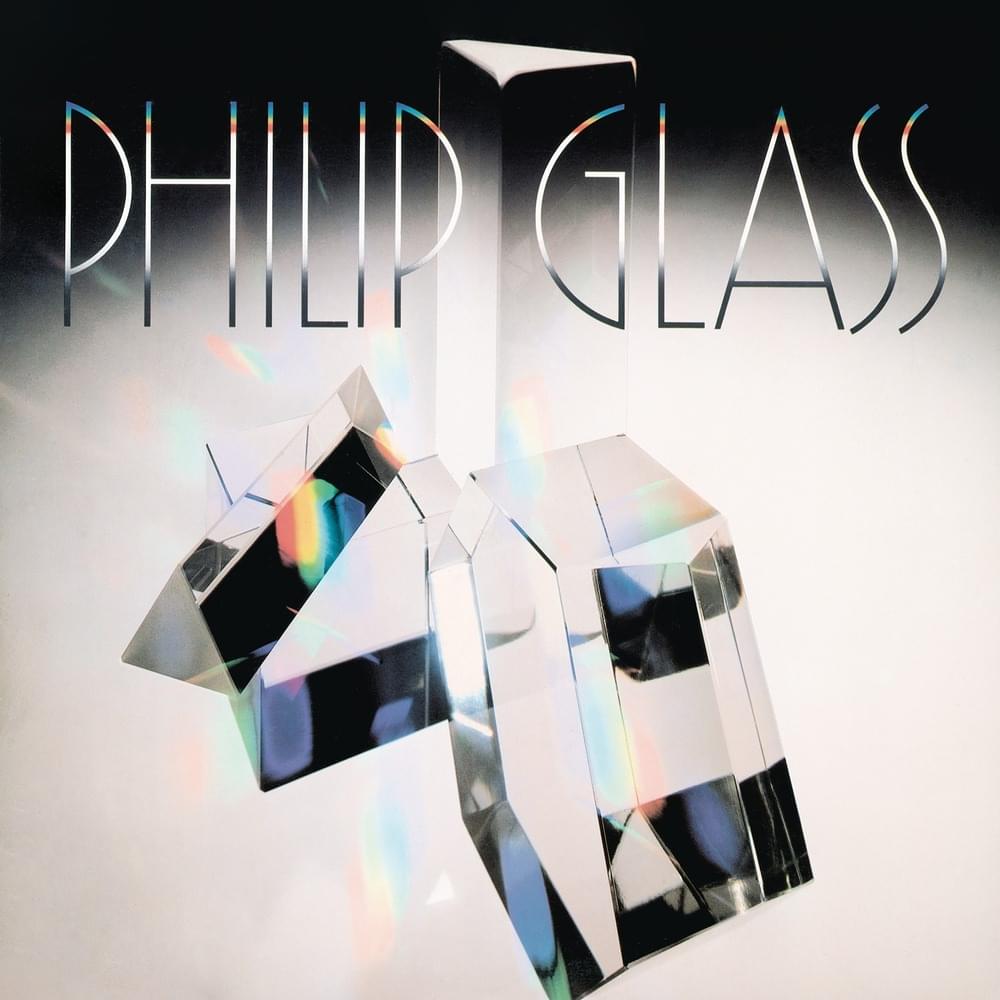
499. Philip Glass – Glassworks (1982)
Quite possibly our greatest living composer, Philip Glass is synonymous with dignified minimalist scores and compositions. His work has soundtracked classic movies like Mishima: A Life in Four Chapters and important documentaries like The Thin Blue Line, but before it all, his music captured people’s imaginations all on its own. Glassworks came in the wake of his score for Koyaanisqatsi, and unused pieces for the film made up a large majority of the album. After decades of constructing longer pieces for high-art crowds, Glass wanted to venture into the pop world, and these tracks move with an extra pep in their step. His repetition — while still elegant — features a heavy dose of synths, horns and woodwinds that help mask the heady twelve-tone artistry Glass had already mastered. Glassworks was a commercial success and propelled him to a cultural status where he could be portrayed in South Park and cameo in a Jim Carrey movie.
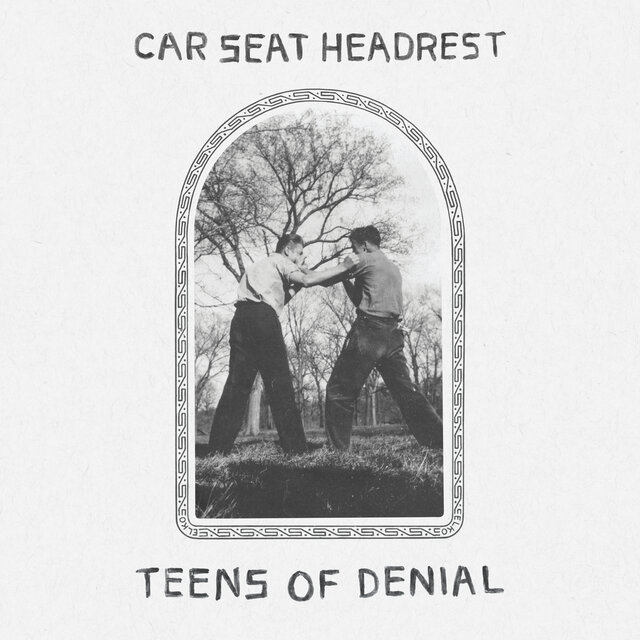
498. Car Seat Headrest – Teens of Denial (2016)
Will Toledo has not exactly reshaped indie rock into his image, but for one album in 2016, he consolidated the previous forty years of alt rock into a massive cathartic ode to feeling lost in your mid-20s. Teens of Denial is replete with sing-along anthems and air-guitar worthy riffs in ways that few rock albums in the last ten years have even tried to attempt. Opener “Fill in the Blank” is a long-lost Dinosaur Jr. song that could neatly fit on their setlist; “The Ballad of the Costa Concordia” is a Springsteen-esque self-deprecating American tragedy with an 11-minute scope to boot; “Drunk Drivers/Killer Whales” and “Destroyed By Hippie Powers” are like if The Cars and Thin Lizzy sung about debilitating social anxiety instead of getting laid. Released into a musical climate that devalues rock music with each passing year, Teens of Denial has minimal cultural cachet, but the music remains undeniable.
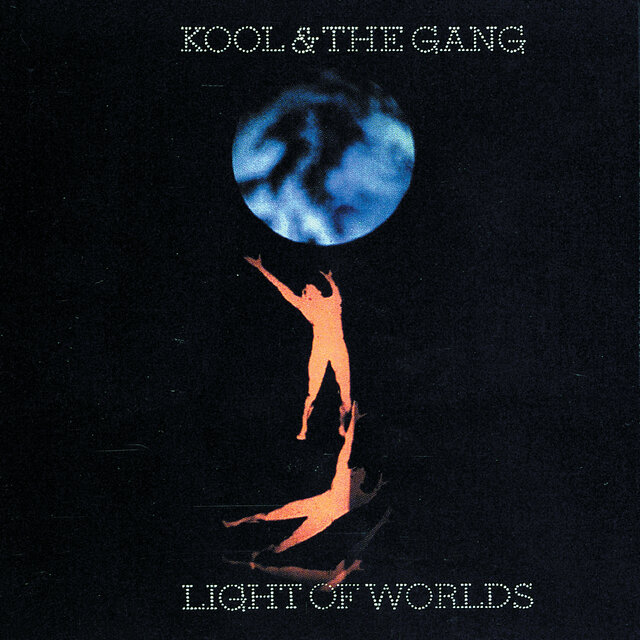
497. Kool & the Gang – Light of Worlds (1974)
Too often dismissed as simply a “good time” party R&B band, Kool & the Gang had a spiritual undertone best conveyed on this mid-career peak. “Jungle Boogie” from their previous album made them household names, but Light of Worlds broadened their aesthetic to incorporate the sociopolitical messaging that R&B listeners expected at this time. It creates moments of beautiful contrast where the horn-laden stomp of “Rhyme-Tyme People” leads into the child choir opening of the title track. Side two though is one of the best runs found anywhere in ’70s R&B, culminating in one of the greatest instrumentals to ever chart: “Summer Madness”. The album concludes with an explicit call for love and peace on “Here After” with a swirling groove-less instrumentation that whisks you towards the cosmos rather than the dance floor.
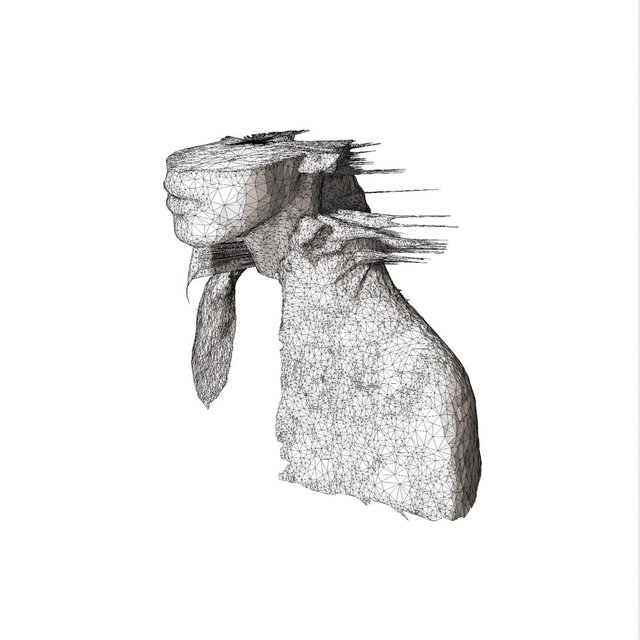
496. Coldplay – A Rush of Blood to the Head (2002)
The trajectory of some artists’ careers just has to be overlooked to properly judge their early work, and Coldplay is one such case. The UK alternative mainstays have not made a redeemable piece of music for some time, but thankfully, we will always have their second album. Sure, some signs of poor craftmanship were visible here — the lyrics and Chris Martin’s thematic concerns are not the most engaging — but with almost all eleven tracks here, you should be belting out the chorus or air-playing the piano. When a song like “Clocks” plays, you recognize the magic afoot first rather than try to dissect what Martin is actually trying to say. The popular tracks dominate this album’s public perception, but its inclusion here is owed in part to the lesser-known tracks: the beautifully-earnest opener “Politik”, the sick bassline on “Daylight”, and the weirdly-effective falsetto throughout album closer “Amsterdam”.
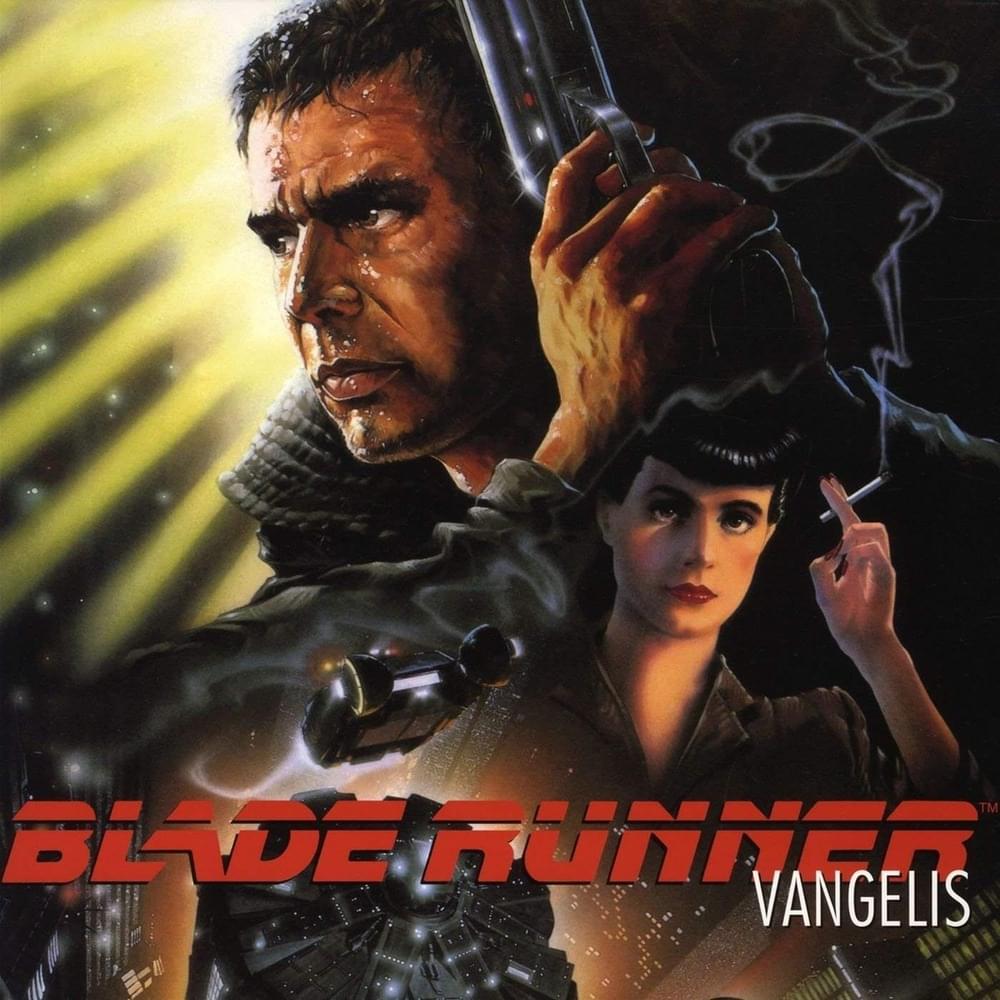
495. Vangelis – Blade Runner: Original Motion Picture Soundtrack (1982/1994)
Much like the film it scores, this soundtrack has a complicated history with debates surrounding what the “definitive” version is. Coming off of the Academy-award-winning Chariots of Fire, Vangelis was tasked with setting the mood for the languid and somber sci-fi noir from Ridley Scott. He would improvise pieces as he watched the film prominently utilizing the Yamaha CS-80. What he ended up with were beautifully formless pieces, blending genres seamlessly into evocative electronic soundscapes. This score had more in common with Eno’s Another Green World and the West German electronic scene than the orchestra-led soundtracks of the time. The score revolutionized the sound of sci-fi and future depicted in movies, moving away from the swashbuckling nature of Star Wars into downtrodden electronica. The score was never officially released however until 1994, and even then Vangelis took some liberty to include non-original pieces that were left on the cutting room floor leading some to recreate bootlegs of the original score. No matter which version, Vangelis’ influence on ’90s IDM and the sound of film is readily felt in every luxurious note.
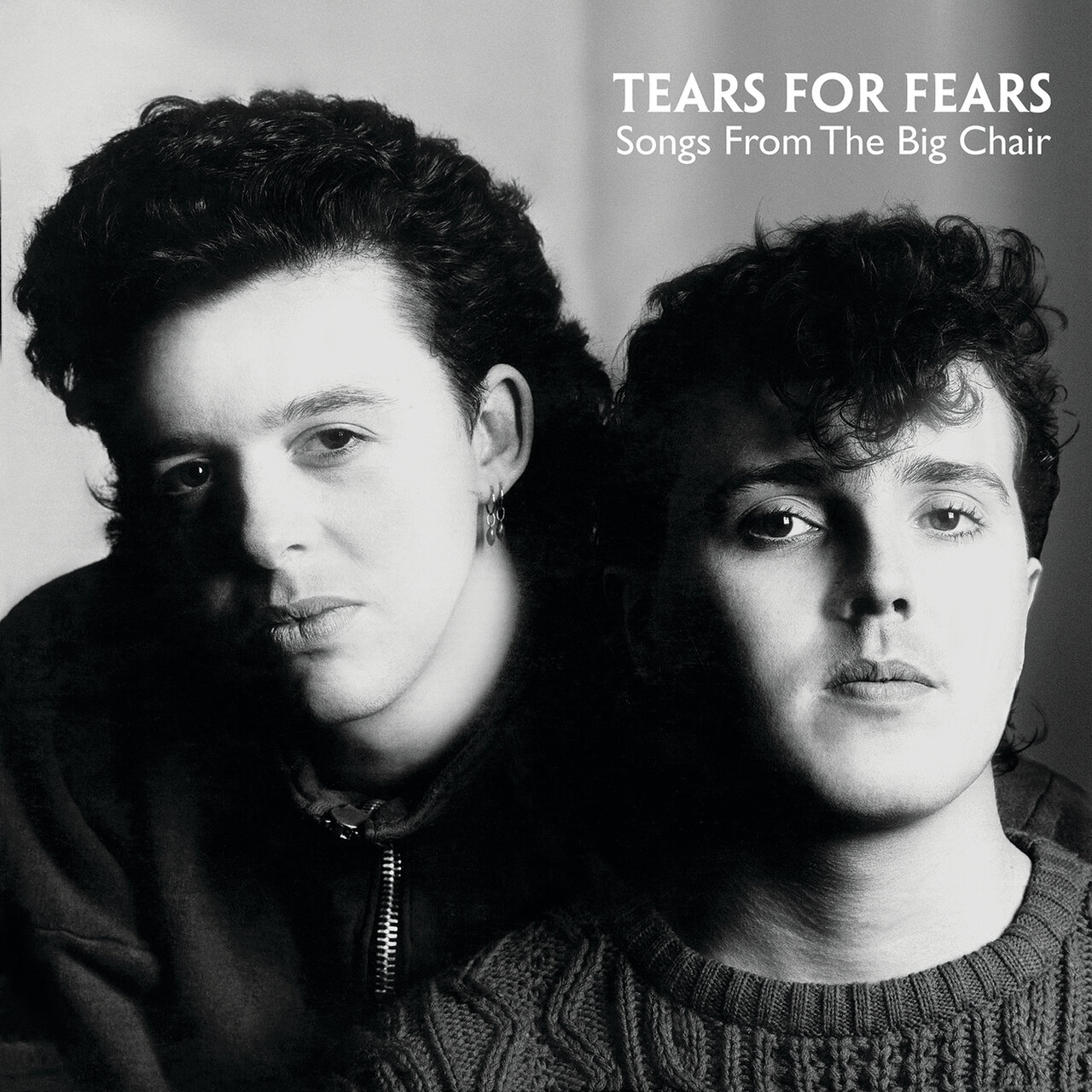
494. Tears for Fears – Songs from the Big Chair (1985)
If Duran Duran’s Rio was as maximalist as English new wave could get, Tears for Fears three years later refined that maximalism into high art. Their first album The Hurting was a big UK chart success with its cold synthpop sound and deeply personal lyrics, but Songs from the Big Chair boldly expanded their sound into guitar-driven pop rock. “Everybody Wants to Rule the World” is universally-beloved and is a centerpiece of any ’80s playlist. “Head Over Heels” has grown in stature with each passing year with its piano/guitar interplay continuing to reveal new delights on each listen. The primal-scream-theory-inspired “Shout” brought them international fame with its booming chorus and regular MTV airplay. In the height of glib MTV-ready synth-pop, Tears for Fears brought staggering intricacy and high production value to their radio-ready tunes.
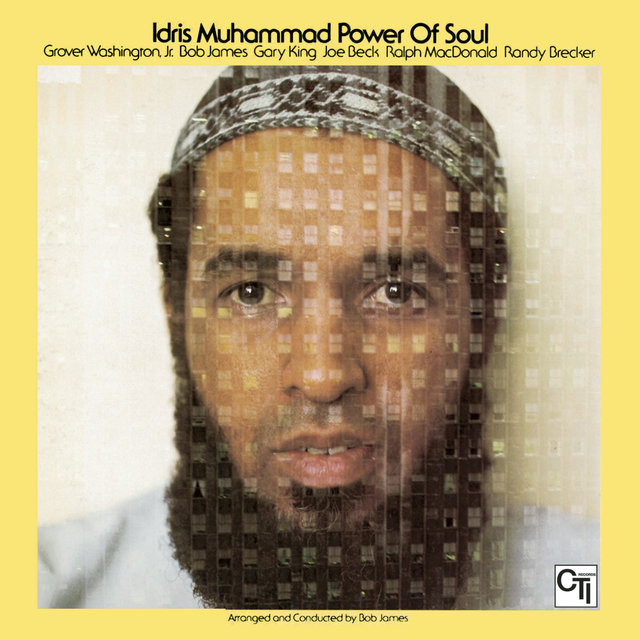
493. Idris Muhammad – Power of Soul (1974)
The backbeat for much of the classic spiritual jazz we love is thanks to drummer Idris Muhammad. Working with Pharoah Sanders and Ahmad Jamal are major parts of his noted discography, but his acclaim as a bandleader is long overdue. His best album is this, a funk-jazz masterpiece that never slumps in energy and grows more compelling with each solo. With Randy Brecker on trumpet, Grover Washington Jr. on saxophone and Bob James on the Fender Rhodes, the instrumental talent is unmatched, and Muhammad is always there with a groove to underscore them. Released at a time when rock’s influence hung over every jazz scene, this album mostly stuck to its roots, hueing closer to the smooth nature of ’50s jazz with the modern sultriness of R&B.
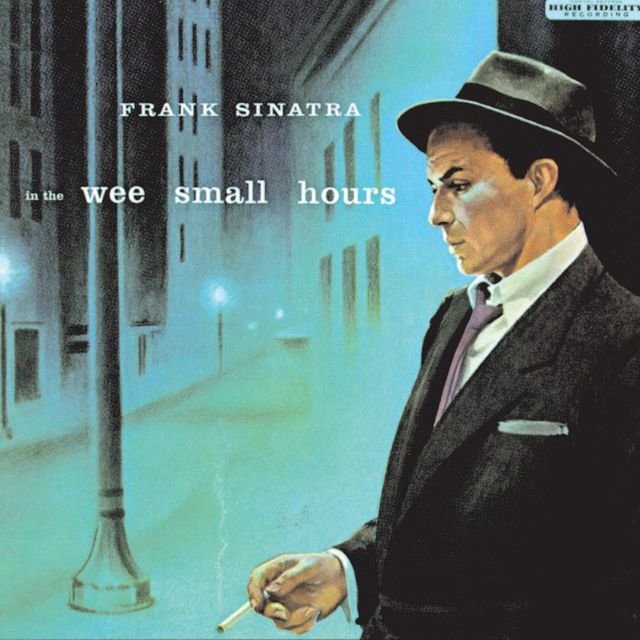
492. Frank Sinatra – In the Wee Small Hours (1955)
Few American music figures are treated with such reverence as Frank Sinatra. That’s not to say the man was holier than thou (he wasn’t), but rather that the image and persona of Sinatra through his posturing and vocal style inspires deference even generations long after his heyday. Sinatra’s first arc was prolific; he was churning out radio show appearances daily, touring with big bands and being voted as the top male singer of the bobby soxer era through the ’40s. By 1953, he was just picking up steam as his record deal with Capital records produced perhaps the greatest album run of the ’50s. The most lasting of these is In the Wee Small Hours with its ever-present melancholy making for an all-enveloping front-to-back listen. He was a man of his late-30s now, reflecting on his failed marriage with Nancy and impending divorce with Ava Gardner, but also leaning into the established statesman role that would serve him the rest of his life. Nelson Riddle’s arrangements are muted and patiently beautiful, rarely bringing in any horn section to detract from the overall somber mood. The platonic ideal of Sinatra exists in these songs.

491. Laurie Spiegel – The Expanding Universe (1980)
A leader in algorithmic composition, Laurie Spiegel utilized her Juilliard teaching and deep fascination with electronic equipment to craft a new musical language, one she formed after helping create code for Bell Laboratories. Just a simple glance at her biography displays someone of massive intelligence and creativity, but just five seconds of this album’s opener “Patchwork” can indicate just as much. This is deeply cerebral music, ranging from the digital plinking of its 9-minute opener to the ambient synth wash of “Old Wave”. Either way, you hear the early audio language of computers — the type of sounds you might hear crudely used for nostalgia porn — but what you also hear is the beating heart of its maker. This is music made by a programmer, but with the human intuition to know how to make the 0’s and 1’s elicit a deep-set emotional reaction. Spiegel’s contribution to ambient, IDM and progressive electronica is years ahead of her time, and proper credit has still not been issued.
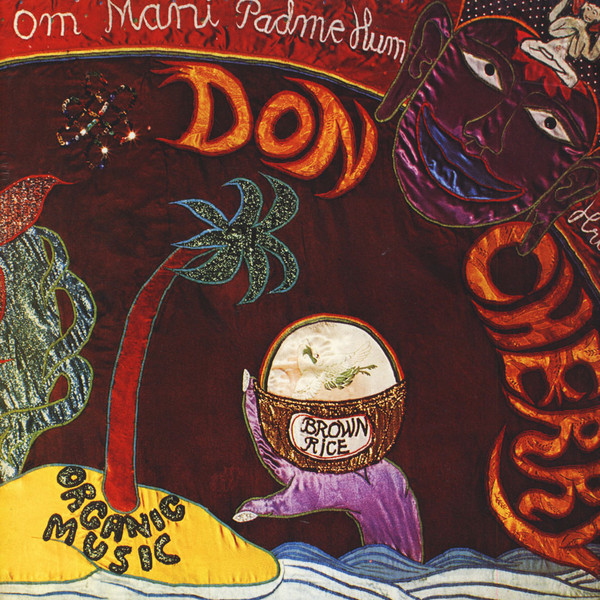
490. Don Cherry – Brown Rice (1975)
The trumpeter Don Cherry’s career spanned much of jazz’s heyday culminating in this scintillating world-music-influenced classic. He helped craft Ornette Coleman’s version of free jazz and would live all over the world, pocketing bits of influence to utilize across his illustrious solo career. This album is sprawling, wearing its Middle Eastern and African influences with love and pride, but it’s also focused and tight, crafted together by a man who saw all this music as one and the same. The title track is a gritty earworm that will forever cause you to say “Brown Rice” with the same lingering drawl. The longer pieces find the perfect nexus point of calming and chaotic; the groove is always there coming from an unlikely influence and ready to explode with one of Cherry’s trumpet runs. This is boundless jazz music made with the care and intuition of someone who literally has seen it all.
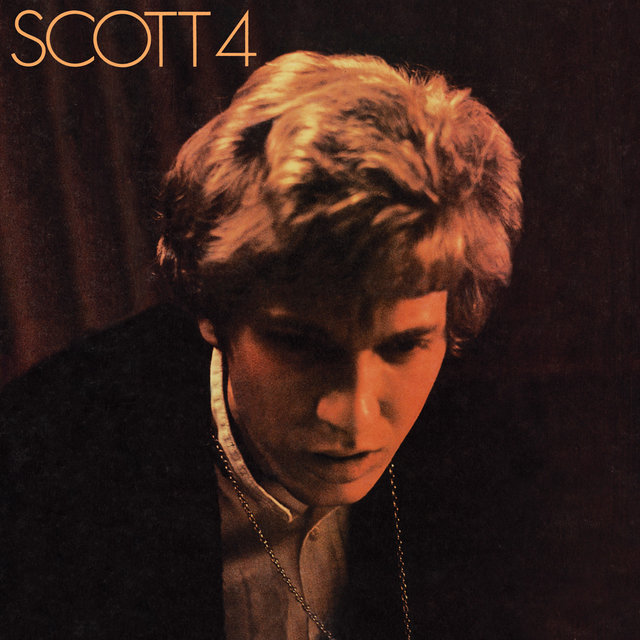
489. Scott Walker – Scott 4 (1969)
Scott Walker wanted to abandon his name by the end of the ’60s. Of course, it wasn’t his name — just the stage name that all the “Walker” Brothers went by. The Walker Brothers were massive UK pop stars, receiving some of the Beatles treatment with rabid fanbases and tabloid scrutiny. Scott then went solo and maintained a large swath of that popularity at first. By Scott 4, he was writing all his own music, filled with sweeping odes to Bergman movies, ladies of the night, Warsaw war pacts and featuring Camus quotes on the back sleeve. He was truly a one-of-one songwriter, bound to the traditionalist pop stylings of the old crooners but drawn lyrically to the darkest recesses of the human spirit. He would later completely abandon all tradition on his widely-acclaimed ’90s and 21st century work, but before all that, he just dropped the last name. Scott Engel’s Scott 4 failed to chart at all even after four straight top 10 UK albums. Henceforth, he was forever a Walker.
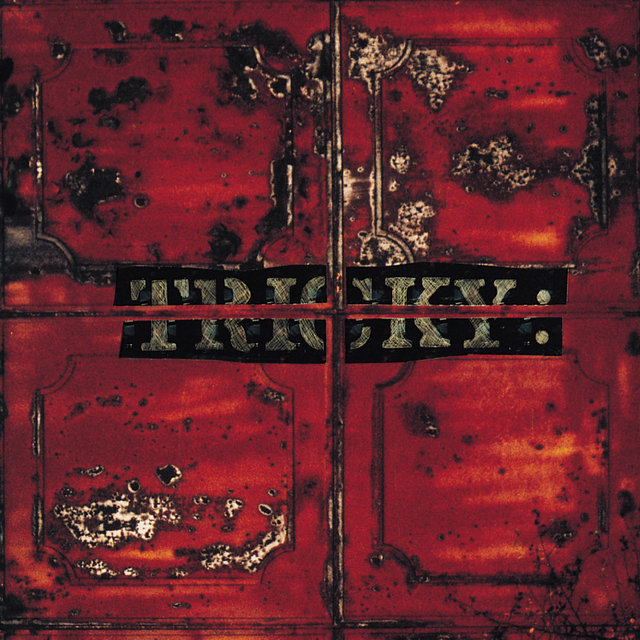
488. Tricky – Maxinquaye (1995)
Feeling limited by the other members of Massive Attack, Tricky left the group to embark on his own revolutionary foray into trip-hop. He collaborated with vocalist Martina Topley-Bird to broaden his aesthetic, with her offering an angelic contrast to his dingy hip-hop stylings. There were also huge contributions from producer Mark Saunders, who was able to translate and put into action what Tricky wanted including pitching samples and figuring out proper drum loops. The result is one of the most impressive UK debuts of all time, further taking trip-hop into dub and underground hip-hop territory. Tricky’s influences were so seamless that Maxinquaye has been labeled electronica, hip-hop, R&B, sampledelia and so much more. It’s a testament to his musical intuition and disregard for the rules of proper songwriting that the album still feels so solitary, even within trip-hop.
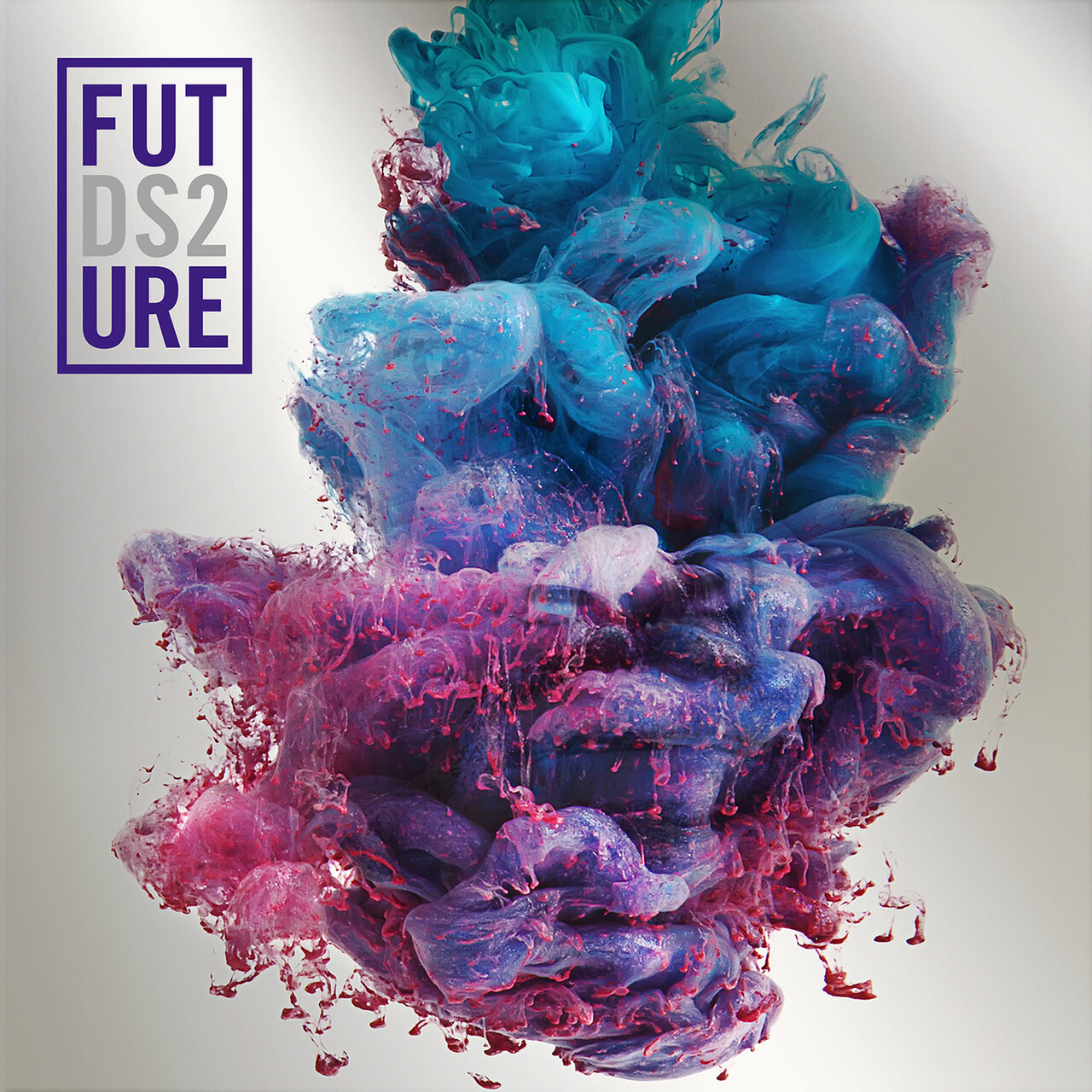
487. Future – DS2 (2015)
Future’s first five years of his career were a sight to behold. From 2012’s Pluto to 2017’s Hndrxx, few could claim to have a bigger stranglehold on the hip-hop scene. His warbly autotune vocals are always weirdly captivating, and he exudes a coolness that can’t be taught. The apex of his legendary run was DS2, a studio album that carried itself like a mixtape — in other words, no overarching BS, no unnecessary pop radio features, just the bangers. As soon as he launces into the first verse with “I just fucked your bitch in some Gucci flip flops,” you just know you’re in for a torrential downpour of shit-talking. Metro Boomin also produced the whole album, providing a hype sonic consistency that lacked in his previous albums. When DS2 came out, it seemed like just another notch in Future’s belt, but the lasting influence on Atlanta and the hip-hop sound is apparent in all of mainstream rap a decade later.
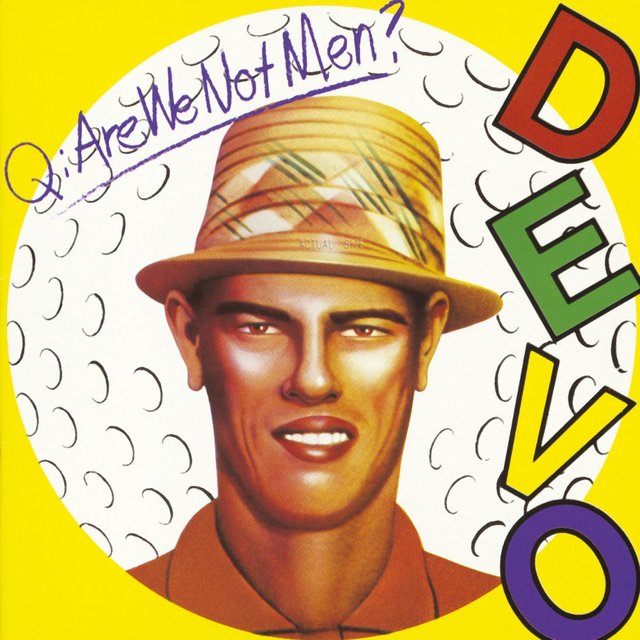
486. Devo – Q: Are We Not Men? A: We Are Devo! (1978)
Devo had many years to perfect the sound of their cult classic new wave debut. They were performing all the songs that would appear on the album a full year before recording started. The tapes made their way to Brian Eno in Germany, and he gladly signed on to produce (with competition from Bowie, Iggy Pop and Robert Fripp as well). Devo and Eno clashed though because the band didn’t feel the need to experiment or deviate from what they had. They stuck to their guns, and the result is a rock genre all its own — comically direct, angular, danceable without any overbearing groove. Their full-throated commitment to an audio/visual image — with their yellow jumpsuits and tight live performances — earned them many diehard fans and helped them launch as one of the first MTV mainstays with “Whip It,” but it’s the first album that will forever best represent them.
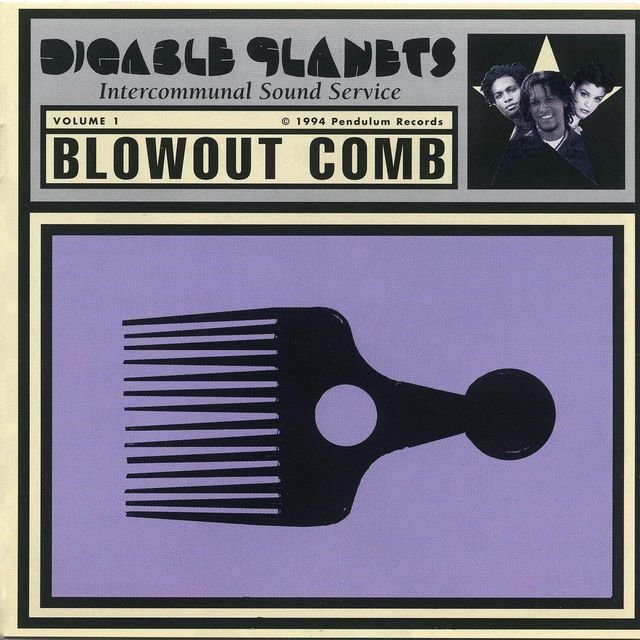
485. Digable Planets – Blowout Comb (1994)
The East Coast jazz rap group found some commercial success with their first album and the single “Rebirth of Slick (Cool Like Dat)”, but with their follow-up Blowout Comb, they abandoned all sense of commerciality and leaned harder into unique production and black nationalism. Their bug nicknames and insect metaphors from the debut were tossed aside in an attempt to be taken more seriously. The larger budget for this album inspired off-beat sampling choices to avoid what they deemed the “recycled” nature of hip-hop. The samples are so low-key that they blend in seamlessly with the live instrumentation, an effect that few other hip-hop albums have ever achieved. With an unequivocally pro-Black thematic approach and no obvious hits, the record label hung them out to dry and the members disbanded soon after. Nonetheless, Blowout Comb has become an underground hip-hop classic with its approach to drums, vocal mixing and uncompromising vision acting as lodestars for many present-day rappers.
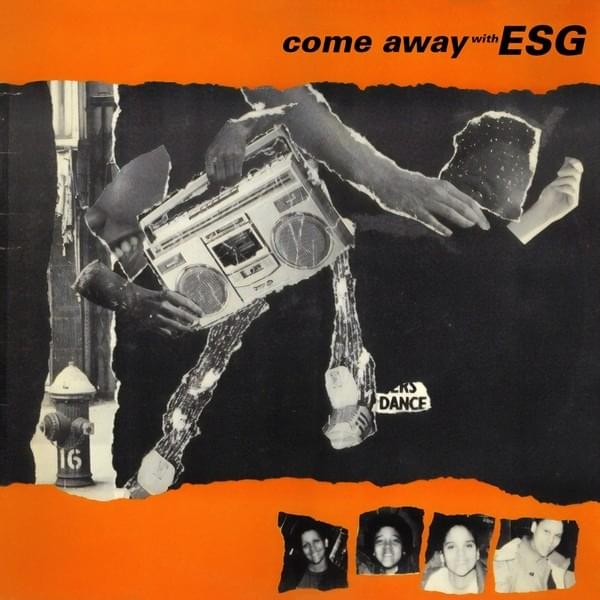
484. ESG – Come Away with ESG (1983)
Nobody has ever quite sounded like ESG. The dance-punk New Yorkers first received attention from Factory Records overseas and recorded their first tracks with Joy Division’s producer Martin Hannett. Their bass-drum led sound hued closer to the burgeoning hip-hop scene than anything happening in rock or pop music. Their biggest influence was James Brown rather than [insert any white male band from the ’60s/’70s]. They learned how to be funky with the sparest of instrumentation and proved that all you need to get people moving is a tight rhythm section. Their debut album collects much of the legendary songs from the EPs that put them on the map. ESG would become one of the most sampled acts of the ’90s with their rhythm being recognized by many listeners who had no idea of their existence. This album would be the only major release in their heyday, but it was enough to bring about a whole new genre of rock in New York.
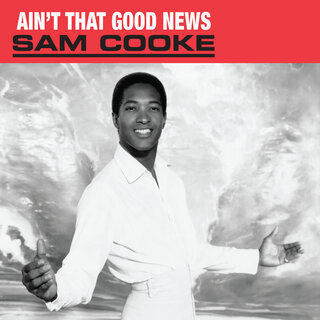
483. Sam Cooke – Ain’t That Good News (1964)
Across his 29 top 40 hits over just eight years, Sam Cooke defined the American R&B sound. His silky vocals could catapult the most mundane of tunes into an R&B standard, but thankfully, the songs were worthy of his touch. This was his final album before his untimely controversial murder later that year, and the four charting singles run the gamut of Cooke’s talent. “Another Saturday Night” was written by Cooke and became a top 10 hit for Cat Stevens. “Good News” was the first song Cooke wrote following both his new RCA deal and the drowning of his 18-month-old son; he utilized his wider creative freedom to rework a gospel tune into a upbeat secular soulful number. Towering over the album and Cooke’s final days is one of the greatest songs ever made: “A Change Is Gonna Come”. Influenced by Bob Dylan’s “Blowin’ in the Wind”, MLK’s “I Have a Dream”, and his own experience being turned away from a hotel in Shreveport, Cooke felt a duty to speak about what was happening both to him and around him. Few songs have maintained such a critical and social impact, both fully embedded into the rich history of soulful protest music and the dark soul of American history.
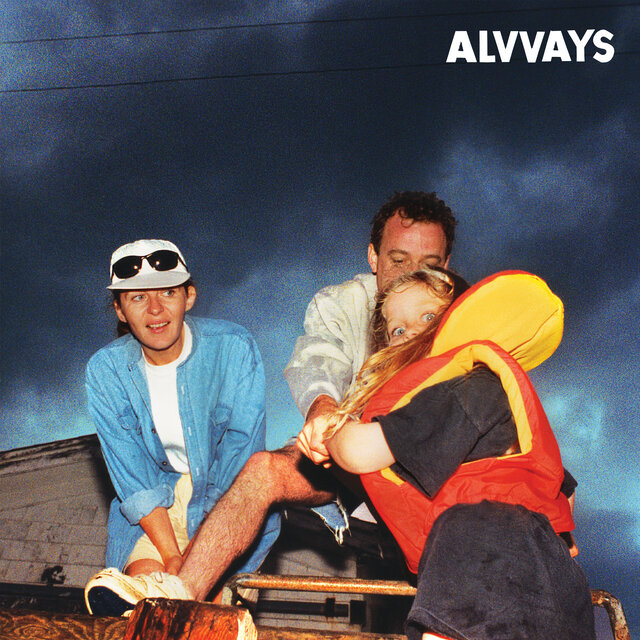
482. Alvvays – Blue Rev (2022)
Nobody doubted that the Canadian indie pop band could craft indelible tunes, but few could have predicted they could be this generation’s My Bloody Valentine. From the first distorted screeches of “Pharmacist”, it’s clear they had found another gear into shoegaze psychedelia. In the five-year gap between Antisocialites and this album, the band had demos stolen, lost equipment in a flood, lost their bassist, and like the rest of us, lived through COVID; the evolution was inevitable. Finding inspiration in Tom Verlaine and Belinda Carlisle, lead singer Molly Rankin sings with an underdog mentality — someone who has to worry about cocktail prices, someone who takes telemarketer calls in the hopes of hearing another person, someone who moves out to raise their baby on a waitress salary. It’s heartfelt and melodic in equal measure and never far from a squelching guitar to fill out the palette.
481. John Fahey – Fare Forward Voyagers (Soldier’s Choice) (1973)
Fahey’s fingerpicking guitar style remains as tasteful and creative as it did over fifty years ago. He was influenced by all the same blues heroes everyone else was, but he knew better than to just recreate or coast off of their riffs; his love for the dissonance of Bartók and others brought a unpredictability to American blues that nobody else achieved. Few have dug deeper into the full range of a plucked guitar. His sense of time is more of a feel than adhering to any BPM; each note crescendos and falls with its own personality, and you’re drawn into each one. His 36 albums — particularly the ’60s/’70s work — are a gold mine of American primitivism. This album is inspired by both T.S. Eliot’s Four Quartets and by Indian raga music; the free-flowing nature of both places Fahey’s work in a beautiful global continuum of untethered artistic courage.
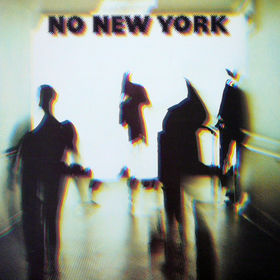
480. Various Artists – No New York (1978)
For those in New York that saw through the commercial nature of New Wave, there was a space for the unyielding BS-free artists of the time. The scene was called No Wave, and they rejected any form of rock that depended on the standard blues riff-making that dominated Western music. It was punk without the stench of surf rock, disco funk without the pristine production and glitter. Brian Eno, always with an eye towards the avant-garde scenes, went to a New York show with many No Wave artists and was convinced that it needed to be documented. The four artists brought in barely had any recording experience before, so Eno adapted with a rare hands-off approach for him. He just wanted to record them live in full performance to capture the true spirit of the movement. The Contortions and Teenage Jesus and the Jerks are the big draws here with James Chance and Lydia Lunch being the leading No wave figures that would greatly influence the New York indie rock scene of the ’80s.
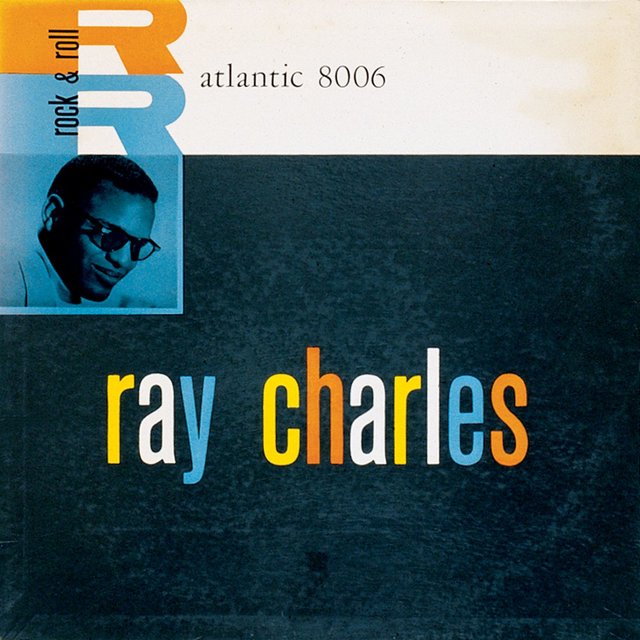
479. Ray Charles – Ray Charles (1957)
If you want evidence as to how disregarded the album was until the late-’50s, just look at Ray Charles. Just in his early Atlantic Records era (starting in 1952), Charles had 15 top 10 R&B hits before they decided to put out this debut album. The result is that this release is more of a compilation with 11 top 10 R&B hits comprising most of its runtime. It’s the greatest document of R&B’s first genius; in all these tracks, you see so many disparate genres being subsumed under his umbrella, from jazz to soul to gospel to blues. His piano and vocals were the great uniter, turning every tune into a timeless melody. The three standouts here are “Mess Around”, “I’ve Got a Woman”, and “Hallelujah, I Love Her So” — the latter would be the title of its 1962 reissue. Charles’ popularity would skyrocket with “What’d I Say” and his country/western series, but the true testament of his singular unmatched influence lies here.
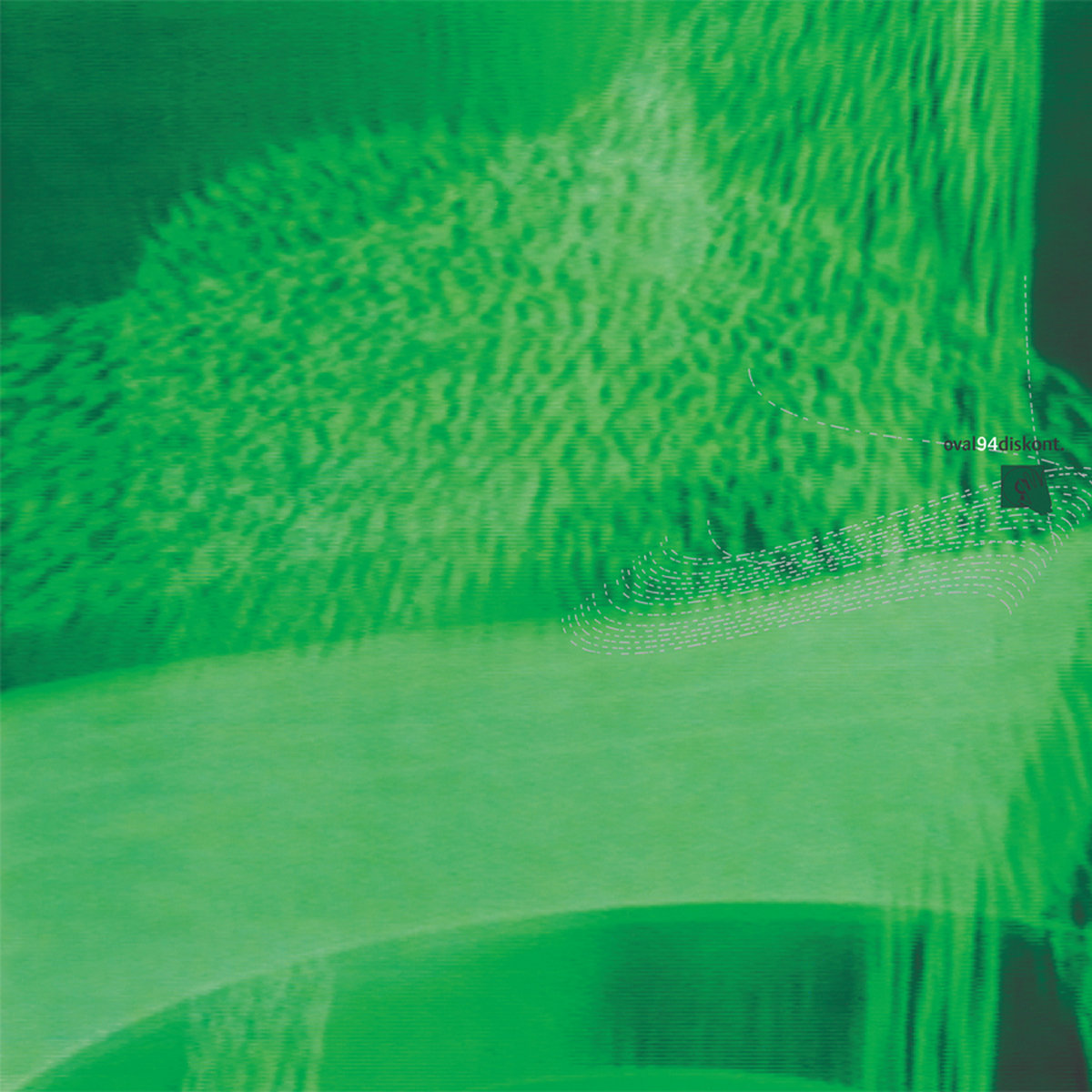
478. Oval – 94 Diskont (1995)
What does electronic music without synthesizers sound like? The German group Oval tested this out with brilliant results. The trio would take CDs and write on them with felt pens to produce looping fragmented samples; they would also bring out exacto knives, paint and tape to further mutilate the physical audio. The result on their fourth album is revolutionary and genre-defining. Placing themselves on an arc with Steve Reich and Brian Eno, Oval redefined ambient and minimalist tape music for the next thirty years. Glitch music as a fully respected artform starts here with the bleeping and gurgling filling in the ambient space. The suggestions of rhythm and mellow tones ease any new listeners into the genre gracefully, so this classic remains a great starting point for one of the most eerily compelling electronic subgenres of our time.
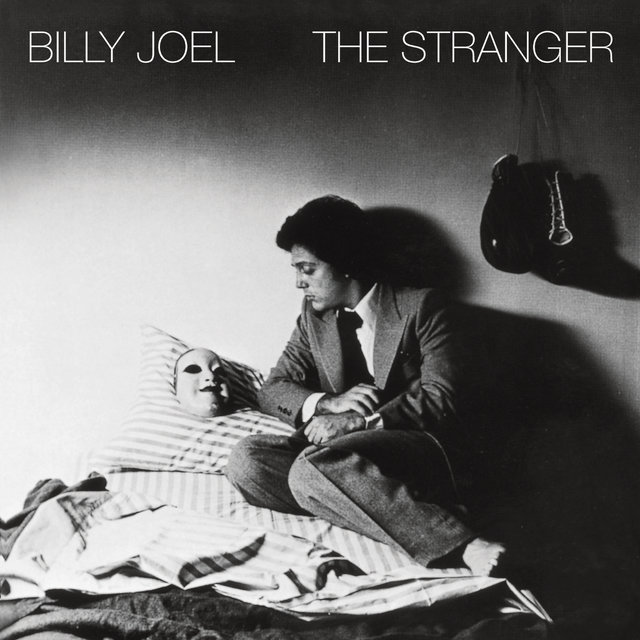
477. Billy Joel – The Stranger (1977)
If you just look at Billy Joel’s first four albums, you’d see a one-hit wonder — an artist who struck gold with “Piano Man”, in a league with Stealers Wheel and Norman Greenbaum. With the commercial failure of ’76’s Turnstiles, Columbia records looked to drop him unless he immediately found some success. Four charting singles, two Grammys, and 12x Platinum seemed to do the trick. Joel aligning with producer Phil Ramone finally gave him the studio virtuosity that his soft rock balladry required. The four singles are all welcome rotation on classic rock radio, but some of the best work of Joel’s career lies in the other tracks. “Scenes from an Italian Restaurant” is a 7-1/2 minute epic stitched in the style of Abbey Road and “Bohemian Rhapsody”. “Vienna” is Joel’s best song and is now a definitive anthem for post-collegiate malaise and mid-life crises alike.

476. Los Thuthanaka – Los Thuthanaka (2025)
We’ve scratched the surface on where music can go; things can only feel rote in this present-day when the artists refuse to break tradition. An album comes along periodically to reaffirm this belief and prove that your other favorite artist just isn’t trying hard enough. The sibling duo of Chuquimamani-Condori (or Elysia Crampton) and Joshua Chuquimia Crampton threw a pipe bomb into the indie music world with their debut album. Building off the electrifying Andean folk club music of DJ-E, Elysia aligned creatively with their brother and utilized his psychedelic guitar work to craft a genre of music not quite heard before. It’s Indigenous folk music meant for the club blasted through the gnarliest amps you can find. The music is so abrasive, it comes around full circle to having this head-clearing meditative quality. Operating like loop music for much of its runtime, singular tones (is it guitar? synth? samples?) can get lodged in your head and stay long after the album concludes.

